
Reading is a big part of writing. As a writer, naturally you read a fair bit.
Take writing a non-fiction book for example: it calls for a lot of reading alongside a lot of writing on a chosen topic. How do you balance reading and writing?
Or in other words: how do you fit in reading as you write? And make it work for your writing?
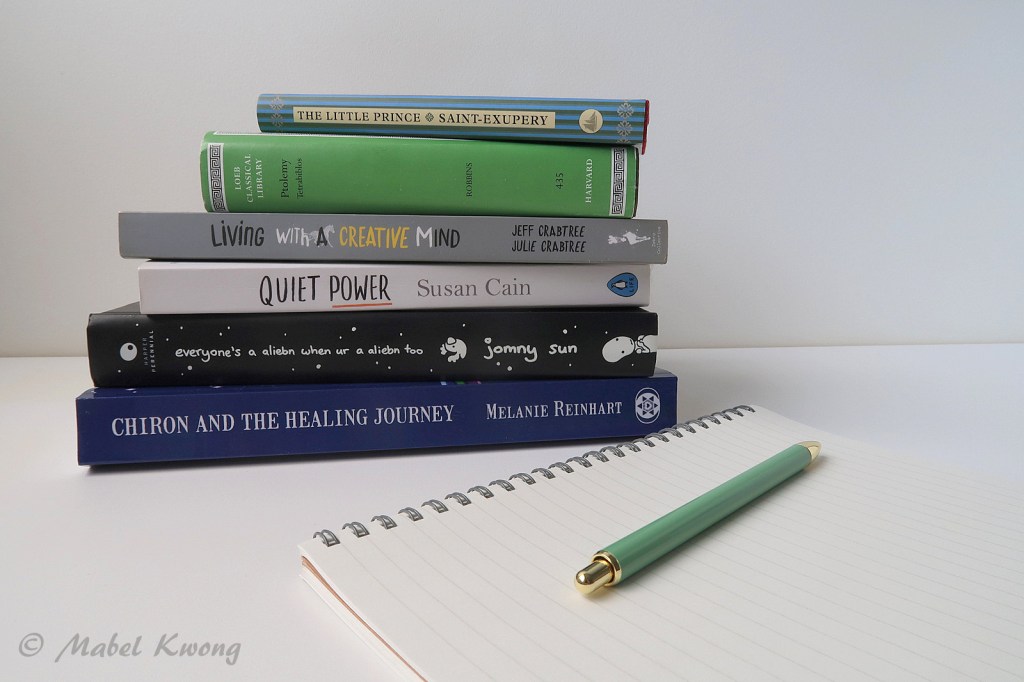
I contemplate this as I read for and write my first book. A book telling the stories of navigating cultural in-betweeness as I live my dreams as a writer. Countless nights the desire to write about being at peace as an outsider calls to me. At the same time a curiosity incessantly beckons towards reading and understanding this elusive thing called belonging…
Some months ago at the beginning of the year, I sit and look around my desk up late. My gaze drifts over scribbling notebooks scattered to the left. Stacks of printed articles resting haphazardly upon each other in the middle. Kindle to the right. I wonder where to start. The organised chaos of a writer’s life… To read, or to write…
I wasn’t always this somewhat focused about reading and writing. Many, many moons ago, an impetuous me fresh out of college barrelled headfirst into writing a non-fiction book. With barely an outline but naively thinking I knew a lot about the world, I cobbled together 40,000 words on third culture kid struggles. I lived on an insatiable fire fanning just writing.
Reading all that I wrote back, it sounded like a rant. So eager to write, my brazen ego ignored reading. A lack lingered within me as a writer.
Reading is important when it comes to writing. When you write non-fiction, you read to learn and acquaint with what you want to share, discerning what seems fact and what needs more reflection. You write. You stop writing. Maybe then read for perspective or inspiration.
Reading complements writing. Writing complements reading.
Through reading, you get a feel of the art of telling stories and literary techniques. Alongside writing non-fiction, reading illuminates the finesses of carving deeper interpretations on what’s around us and which speak to others. In this sense, you read to comprehend the craft of writing and the impact words can have.
‘Reading is the creative centre of a writer’s life… Being swept away by a combination of great story and great writing is art of every writer’s necessary formation. You cannot hope to sweep someone else away by the force of your writing until it has been done to you.’
– Stephen King, On Writing (2020)
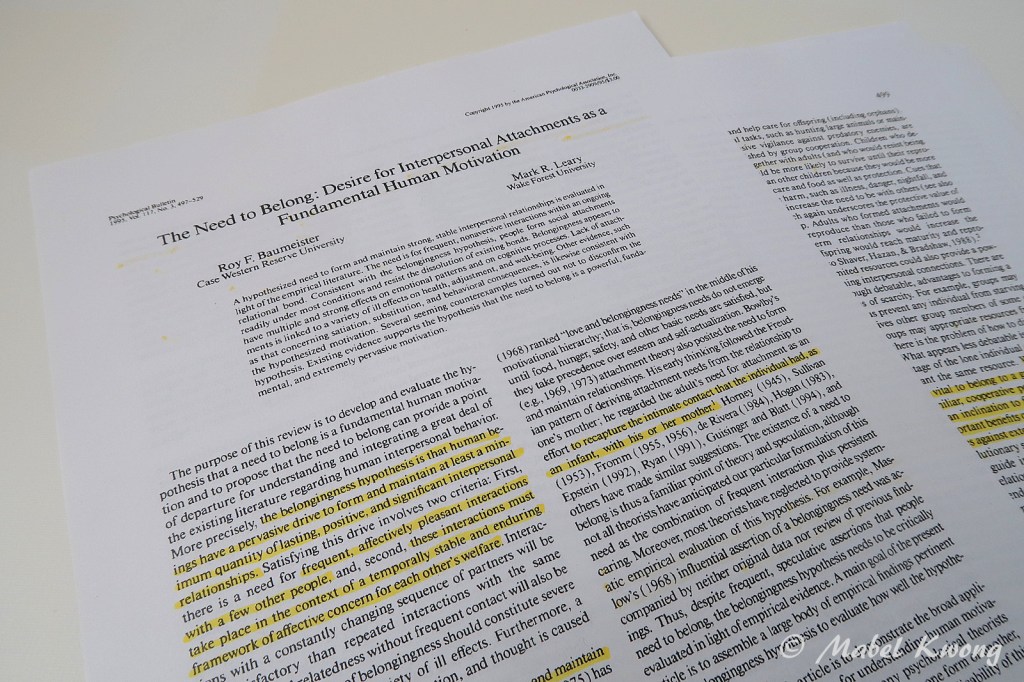
A distinct topic or goal in your non-fiction endeavours guides you towards a balance between reading and writing. Mapping out each chapter and the narrative arc helps as well. There is much to read out there, from the lessons of the past to the motions of the present. When you set a writing focus, chances are you become a bit more mindful on what you read to inform your writing.
Naturally, reading widely is a big part of researching and writing non-fiction. You might read books. Academic papers. News articles. And more books. The reading feels endless.
Reading lists come in handy to keep track of important and potential reads as you write non-fiction. You write down things to read, giving yourself a chance to return. Time for reading, time for writing.
Up late at my desk, I go over my book outline, an outline for each chapter, my latest attempt at book writing. A thought sparks in my mind. I entertain it with Google and stumble across more reads, as usual. I scrawl yet another thing to read in one of the notebooks.
The piles of articles on my desk stare at me. I stare back at them. Which one first… I linger. I reach for the one I’ve been longing to re-read, the academic paper and Baumeister classic The Need to Belong.
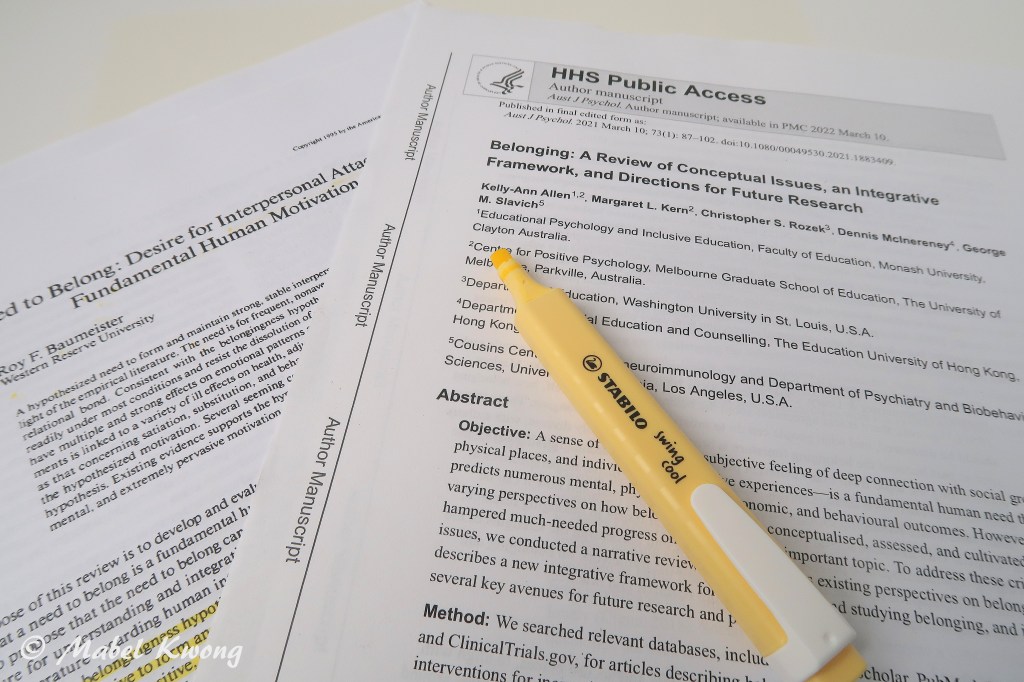
Reading what you are excited about inherently adds momentum to the writing process. When you enjoy what you read, the more inspired you might feel about writing. Granted, you can’t simply read your interests when writing non-fiction. Some books you may judge by their covers. But leaning into the curiosity of discovery might just make uncertain reads all the more enticing.
Such intrigue for reading might be the motivation inspiring you to fit it around writing and the busyness of the mundane. It could be ten minutes reading over breakfast, or an hour before bed – on top of reading for leisure. So scheduling time for reading makes it a more seamless part of the writing process.
Up late at my desk, I think back to attempt #2 at writing my book on belonging. It was years after the first try, having read widely on the nuances of cultural in-betweenness. This time with chapters sort of planned out. I wrote. Again, so eager to write. Reading it all back, I wasn’t able to sense much of a story out of my words. Miffed, I walked away from book writing again.
When writing a book, some occasions call for rebalancing and changing your reading and writing routines. Sometimes you might read and write concurrently. Other times you might only read and put writing aside. And other times you might only write.
How much should I read? How much should I write?
It depends on where you are at in your writer’s journey. And each writing project has a life of its own.
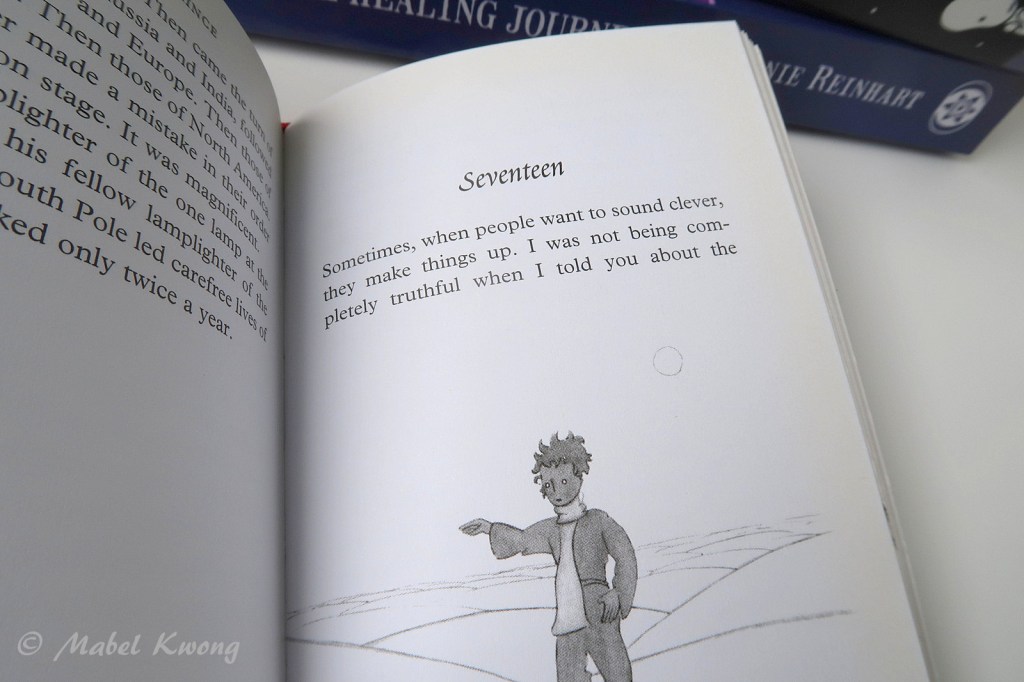
Notably not all authors plan, research and read a great deal when they write a book, non-fiction or otherwise. Different writers have different approaches. Also creativity often calls in the moment. Some writers run with a brilliant spark and write a brilliant book overnight. For other writers, reading tends to that creative spark, lends it thought and you rise from there.
Deep down I feel I am the latter kind of writer. Re-reading Baumeister, my attention fixates on a highlighted sentence: ‘The need to belong is something other than a need for affiliation.’ I mull it over. Ponder if it aligns with my thoughts on this book chapter I’m wrestling with or tempts me towards a tangent to run away with altogether… Hmmm…
Somewhere amidst perusing the depths of where reading can take you, I feel a patience within me as a writer that wasn’t there all those years ago. How did that come about? Immersed in between piles of papers and books around my desk, I sense creating something authentic that speaks to you as much as it does to others takes thought and time.
I sense finding meaning as a writer is more than just about achieving the idea of publishing a book.
The challenges you face as a writer could be what propels you to change your reading and writing routines, or choose one over the other in the moment. In the words of Viktor Frankl, ‘When we are no longer able to change a situation, we are challenged to change ourselves.’ It’s not about changing to accept what is. Rather we can change our habits, mindset and choices to take the next step.
Sharing your message clearly and making it relatable is one challenge of writing non-fiction. Reading often offers clarity here. You read to define your message: to make sense of complex ideas, to know where you stand and be convincing in your truth. The detail lies in what you read and in reading what you’ve written.
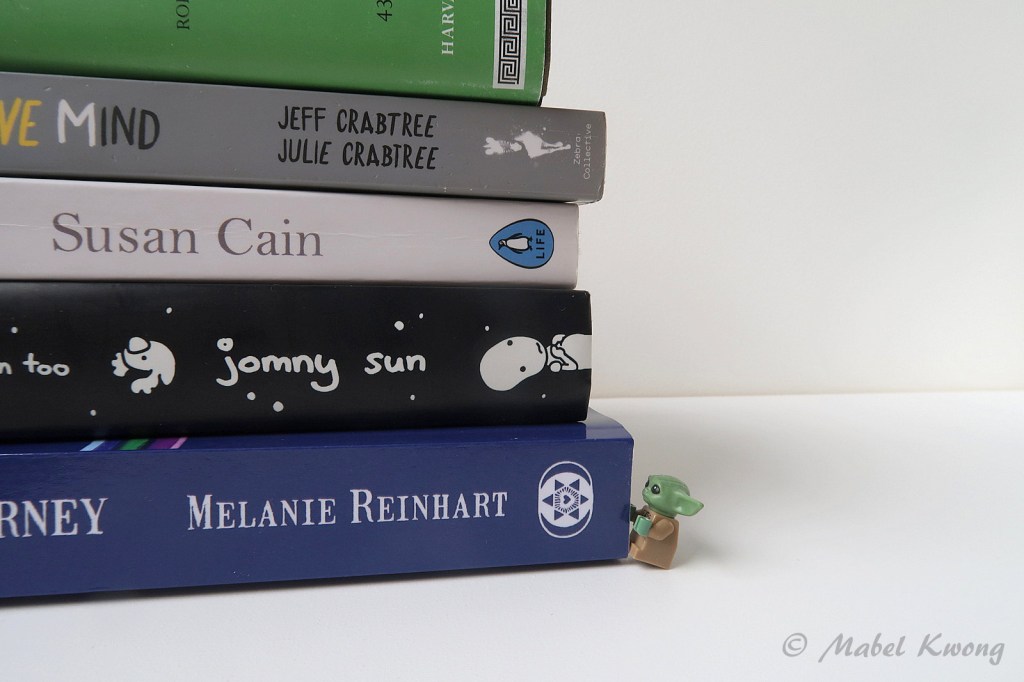
Then again, reading is a double edge sword. You feel inspired when you read. Conversely you might think about where your writing fits in among everything you’ve read and will read. Caught in between (actively) consuming as a reader and creating as a writer.
How can I write in a way that others can understand and relate to? I often muse over this while either stuck on crafting my next sentence or lost in yet another read. And the thought of never actually putting a book out there feels very real to me. It’s a feeling that comes and goes – yet each time an invitation to explore and grow in the unknown. Such is often creativity: inspired by what you read or see that touches you, inspired to tirelessly create something out of nothing.
‘It is possible that each delay, disappointment, or fear may be utilised as a means for greater insight into the mysterious mechanisms of the psyche, and that through these experiences we may gradually learn to perceive the meaning of our own lives.’
– Liz Greene, Saturn: A New Look at an Old Devil (2011)
As you research and write non-fiction, some texts take longer to read. Some texts take longer to wrap your head around. Some take multiple reads before the concepts drop.
Accordingly being a writer often calls for surrendering to seasons of slowness. In slowness, like part of a slow writer lifestyle, you do less creatively – refining your scope on what you read and write. Reassess the balance of both. Temper your focus in each of reading and writing, each for more immersive experiences.
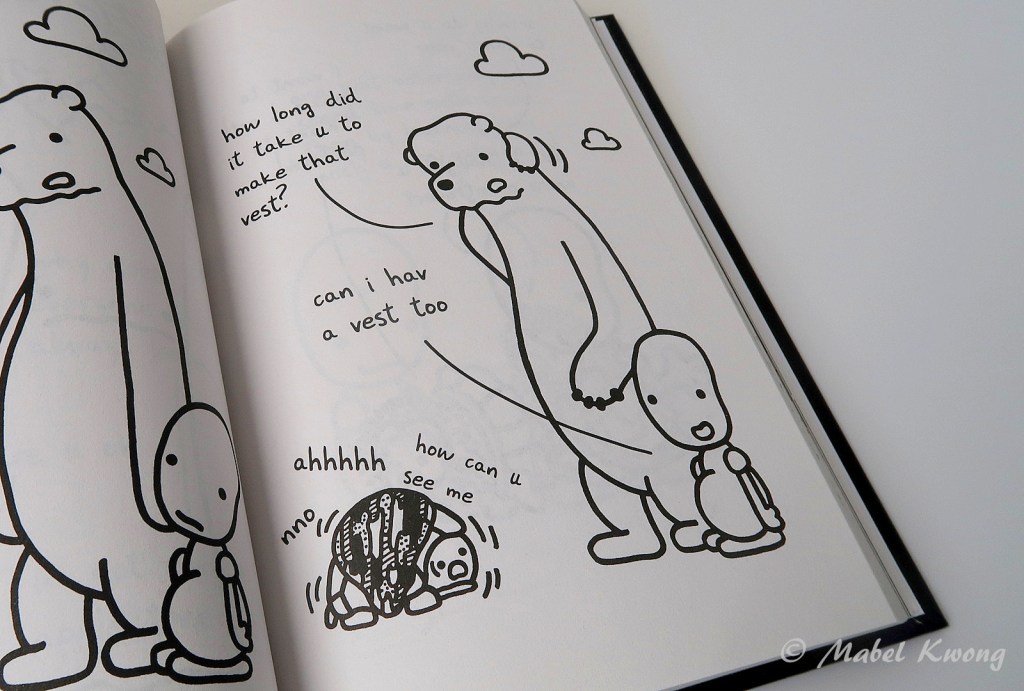
As you pace yourself reading to write non-fiction, you ask deeper questions about what you read. Encounter your message and topic in a different light. In turn there could be something meaningful in taking away what you lacked awareness of, a wonderment that is writing more consciously. You feel the language of what has been written – a finer semblance of inspiring enjoyment, connection or insight in the reader.
It’s easy to get swept away by the inspiration to write. Or the desire to read. In slowing down, you embrace a calmness to make reading and writing work together.
As I read The Need to Belong, some parts don’t make sense to me… For now, I guess. No rush. No one is an expert on anything.
I sit at my desk, put aside the paper and wonder what tomorrow may bring. Not sure when writing the next book chapter will be. Not sure what time it is up late. But it doesn’t matter. I live in the moment as a writer, one change at a time in how I read and write.
Writing isn’t a linear process. Sometimes you read. Sometimes you write. And somewhere in between, maybe you’ll find where you’re at right now.
How do you balance reading and writing? When do you read and write?


 Mabel Kwong
Leave a reply to Ally Bean Cancel reply