
If you’re an introvert, maybe you don’t like talking on the phone. Maybe you hate making or receiving calls most of the time.
Maybe you feel anxious hearing the ring or buzz of your phone. Or your heart pounds when you’re dialing someone, scattered mind feverishly wondering what’s to come. Or you go out of your way to avoid making phone calls.
Talking on the phone can be a difficult experience for many introverts. Introverts or those with a reserved personality may feel phone calls are performative experiences as opposed to engaging moments. In general, introverts gain energy through reflective activities and time alone while the ones who are extroverted or outgoing thrive on interactions and chattiness.
As an introvert, I don’t usually like talking on the phone. This is despite growing up hearing my Chinese parents excitedly answer the big black corded phone every time it went RING RING in the hallway at home. Countless times I watched them yell down the line (really loudly really making sure they were heard) to chat with equally loud Chinese relatives for hours. I never related with such loquacious communication.
When you much prefer messaging or texting, it can feel like a nightmare until the phone stops ringing or buzzing or the phone conversation ends. Sometimes telephobia or telephone anxiety could be a real thing too, making it even harder to approach phone calls if you’re an introvert. And here are some other reasons why introverts may not always like speaking on the phone.
1. No time to think or prepare
Phone calls that you aren’t expecting put you on the spot. Starting off with small talk and pleasantries, you don’t know where the conversation goes. For introverts who like planning and thinking things through, this may be unnerving: you feel unprepared or rushed especially if it’s someone unknown on the phone, feeling unable to offer thoughtful ideas.
At times you might pause on the phone to collect yourself, leading to awkward silences. So you find it hard to express your true self let alone your thoughts over the phone – far from having meaningful and intentional deeper talk that you normally like.
When friends call me out of the blue, I always feel caught off guard. Even with really good friends, I wonder what to say after greeting each other – preferring if they had messaged first to give me a heads up for a chat.
2. No visual cues
When you’re talking on the phone, you can’t read expressions or body language. That can be intimidating if you’re an introvert or quiet person who likes to observe. Often you want to be self-aware as much as possible, observing and being mindful of others’ emotions.
If it’s a call from an unknown or private number, it can be hard to know who is on the other end of the line. It can be draining figuring out who you’re really talking to and maintain your composure to match the enthusiasm of the call.
3. You worry about being too soft
Not all introverts are soft-spoken. But for those who are or aren’t used to speaking up on the spot (not to be confused with being shy), you may anxiously wonder if the person on the phone can hear you loud and clear. Or if you actually make sense talking over the phone.
There have been times when the other person on the phone said to me, ‘Sorry, I can’t hear you’ or flat out matter-of-fact stated, ‘There’s some background noise’. While I never take it personally, these are scenarios where you’re being judged for your presence on the phone. However, conflictingly at the same time, the other person over the phone is giving you their time of the day – and you probably genuinely want to make sure they can hear you.
4. One sided conversation
Many introverts like to listen and take time considering their thoughts. When you’re on the phone, you may often find yourself listening a lot and the other person dominates the call. You could find it hard to get a word in especially if the other person is eager to chat away. Though there is much value and virtue in listening as an introvert, when you don’t get to say much on a call, you wonder your value and virtue of partaking in conversation.
5. You want peace and quiet
Many introverts gravitate towards solitude. When there’s an unexpected phone call or one that goes on for quite a while, you may feel like your space is intruded upon. You might not like being interrupted or disturbed by a phone call in the first place. And you’re likely to message or text to comfortably keep your peace and quiet.
* * *
Sometimes there is not much choice but to make or take a phone call. When you have to be on the phone as an introvert, perhaps you might want to set expectations that you’re available for a short chat or set a topic you want to chat about. Or you can space out making or taking calls so as to not overwhelm yourself. Ask the person on the line if they can hear you right at the start.
At one point in my life I worked in a call centre handling inbound calls. Sometimes I took over a hundred calls a day in a non-scripted environment, with only a short minute in between calls to take the next call. The introvert in me felt drained each day: drained from wearily anticipating each call one after the other, drained from talking to strangers and helping them as best as possible all day. But it was a character-shaping experience. With each person whom I spoke to, no matter how chipper or angry their voice sounded, each desired connection – human connection where they are heard and seen.
The universal denominator between introverts who are wary of phone calls and those who don’t mind conversing on the phone, is the need for connection. Perhaps it’s a kind of one-to-one connection with one someone or a kind of connection with something intangibly wider – connecting with others in order to connect with oneself on another level.
Everyone has different preferences of communicating and ways of self-expression alongside their individual wants and needs. So it’s no surprise some of us like phone calls and others don’t. A study on mobile phone users in the UK found those who are phone averse feel texting provides the remote social connection they need, while eager phone talkers see texting as a complimentary medium to calls. Another study suggests extroverts are much more comfortable than introverts at making phone calls in public places.
Admittedly there are times when talking on the phone is easier and more convenient. For instance, calling someone may be the best way to explain something or tell a complex story when you can’t meet in person. Sometimes you might just need a good two or three hour phone chat with a good friend who happens to be far away. Often in such instances, introvert or not, you probably have minimal qualms about chatting on the phone.
These days where many prefer connecting through social media, perhaps there’s less inclination to make or take calls the traditional way with your mobile phone or a landline. Voice messages, video chats and Zoom are the norm these days – arguably the new phone calls. It’s interesting to note extroverts seem to have lower levels of Zoom fatigue and it has been discussed high-functioning introverts tend to enjoy spending less time communicating on social media. Though you can virtually see each other on video, for some introverts speaking and being on video at the same can be doubly draining: there’s the constant talking with the added stimulation of visibly presenting oneself as engaged. On some occasions I’ve talked the hours away with friends across the world on social media – sometimes with the camera off.
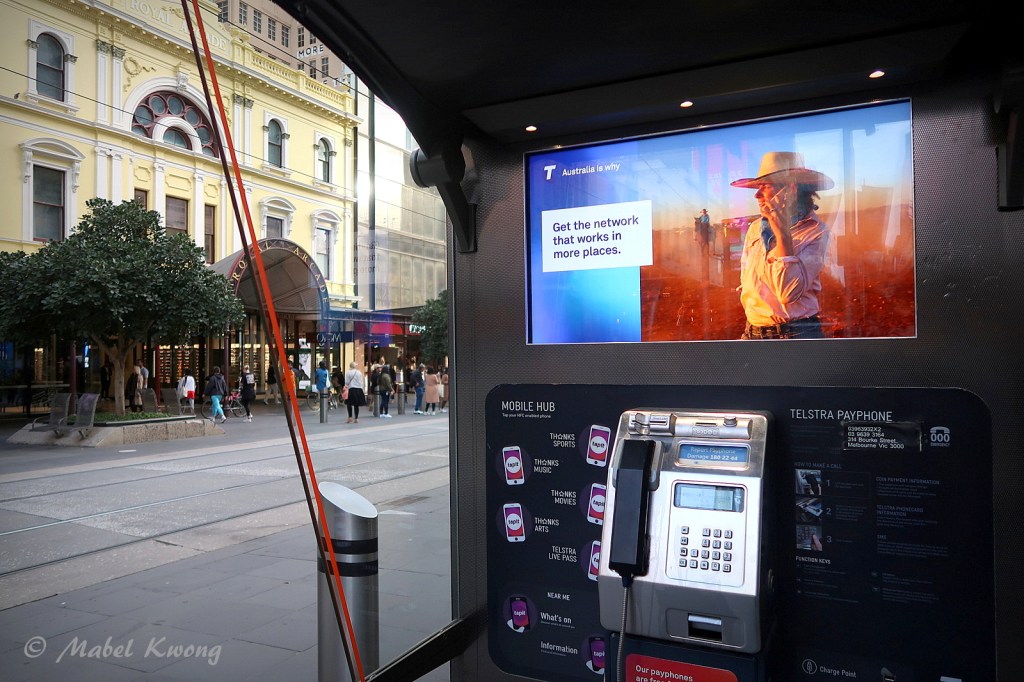
There’s always a sense of urgency when the phone rings or buzzes as an incoming call drops in, same with getting a message. Almost always you instinctively shift your attention towards that incoming yet intangible, unseen connection. On questioning why one feels compelled to answer a ringing phone, media theorist Marshall McLuhan said:
‘Why does a phone ringing on the stage create instant tension?…(The) phone is a participant form that demands a partner, with all the intensity of electric polarity.’
The ringing and urgency of answering the phone gives rise to a tension to reach out, a certain importance in the air. And that importance is your innate deep desire for connection. Participating in the act of talking on the phone is a choice to connect – a choice to be a part of the power of connection. I can’t relate to my parents talking loudly and excitedly on the phone. But I can quietly relate why.
It’s a privilege to talk and connect with each other, even for a moment. Over the phone.
Do you like or dislike phone calls?


 Mabel Kwong
Leave a reply to arv! Cancel reply