
“Table for one, please.”
I look the waiter right in the eye. Without a beat he grabs a menu and ushers me inside the Shanghainese restaurant. Just like that I am seated at a round wooden table along a mural wall. A single seat for lunch this weekday afternoon.
Solo dining is not something everyone gets. Why would you eat alone? It’s lonely. Awkward. Terrifying. It’s simply weird, for eating tends to be a social, communal activity – or at least that’s what society reflects back at us.
But there’s another side to it: embracing the solitude of solo dining unearths a sense of personal empowerment within us. It’s where we are comfortable with our own company, comfortable as who we are in solitude.
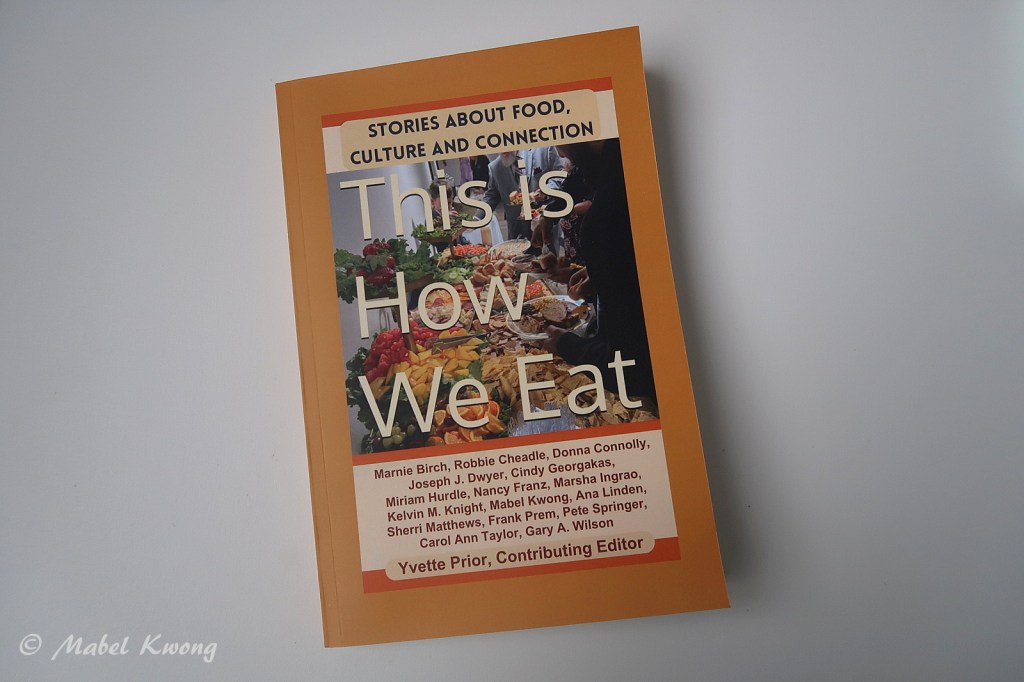
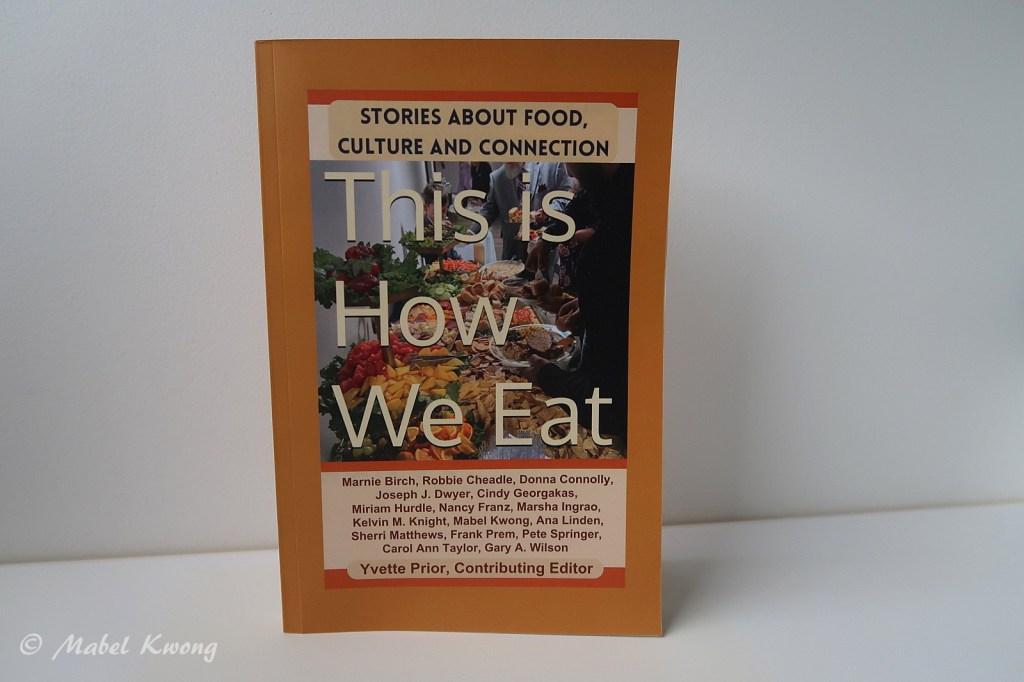
Eating alone is what I like love. A sentiment that runs deep within. Such is a stark contrast from the years growing up Chinese where eating together was of utmost importance – a marker of family and togetherness. Contemplating this in my chapter in the anthology This Is How We Eat:
“In many Chinese cultures, both eating itself and eating together is regarded as the heartbeat of everyday life. As the Chinese proverb goes:
Mín yǐ shí wéi tiān (民以食為天)
– Trans. ‘Food is the most important for people.’
“Growing up in Malaysia, eating with my Chinese family was an ingrained daily rhythm and guided by cultural norms. Evenings looked like waiting for everyone to be home or ready before starting dinner together. Weekends were for eating out at Chinese restaurants together, especially so when extended family were around. Where and what we ate was usually up to what seniority felt like – for hierarchy is revered and their choices respected.”
Family, hierarchy and social dynamics can be complex, and so colouring the activity of eating together as complex in some ways too. The more the merrier, the more dishes at the table isn’t always the dining experience that calls. And perhaps the attraction to solo dining is the sense of simplicity around it.
“Fill your bowl to the brim, and it will spill.”
– Tao Te Ching, trans. Stephen Mitchell (1988)
“Can I get you a drink?” the waiter asks.
“Just water, thanks.” It strikes me odd how many often think ordering water is boring. It’s simply tap water. To me, it’s knowing what I like and what I will have.
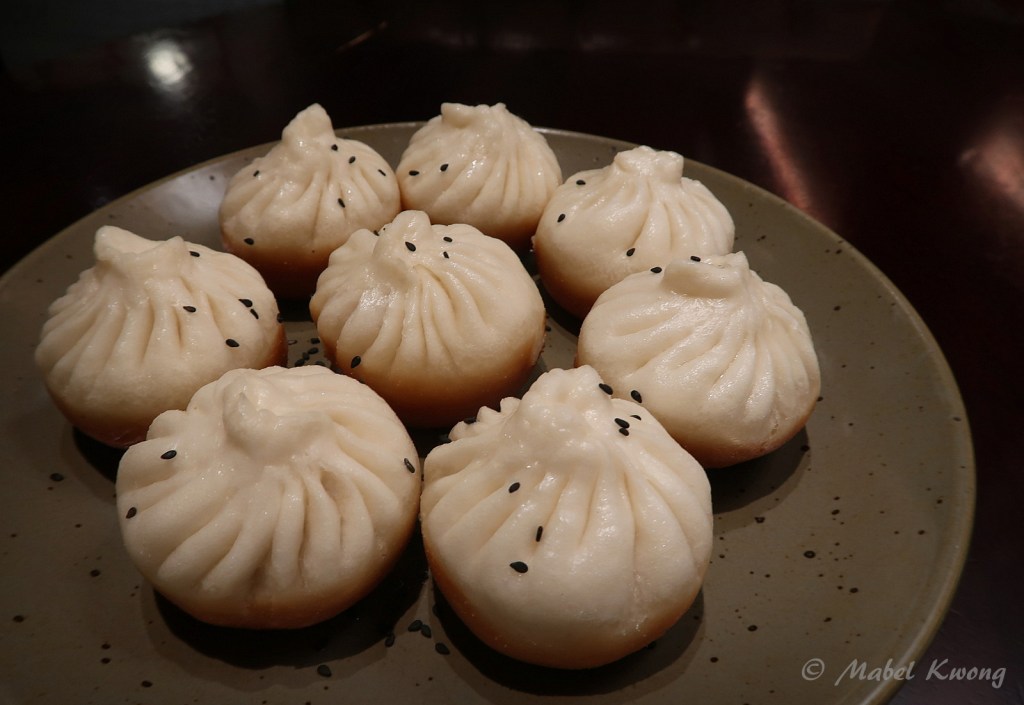
And I know what I will have, my eyes glossing over the menu. “Can I get the pan-fried dumplings? Sheng jian bao (生煎包).” One meal. One dish. Keeping it simple. The waiter nods, grabs my menu and bustles off to the kitchen with my order.
Solo dining invites an independence to create and own your eating experience. Eat what you feel like. Dine and enjoy your meal on your own terms – claiming your pace in solitude. It’s the space to explore foods one delights in unapologetically…and just perhaps lean into hearing the quiet nudge of balanced eating.
I sit back in my chair. My eyes drift across the round tables throughout the restaurant. Round tables, a symbol of unity in Chinese dining: everyone seated faces each other, looking in. Perfect for lively conversation. Perfect for having a serve of each dish meant for sharing at the table.
It’s a mostly empty restaurant right now. It’s past lunch hour. It’s quiet. Quiet is on the other end of the boisterousness of typical Chinese family dinners and eating together. The talk, the noise, the expressive pride in ordering must-have certain classical dishes touches upon overstimulation for this autistic personality. Then the sense of obligatory performance of looking glad to be there, and the graciousness in trying each dish – well, it’s conflicting.
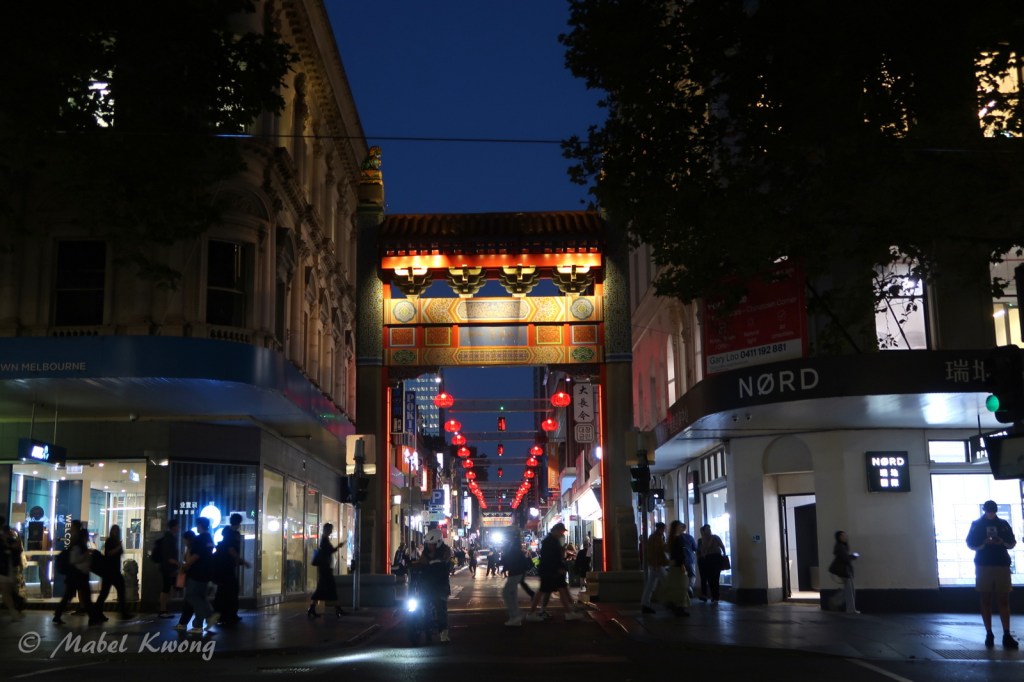
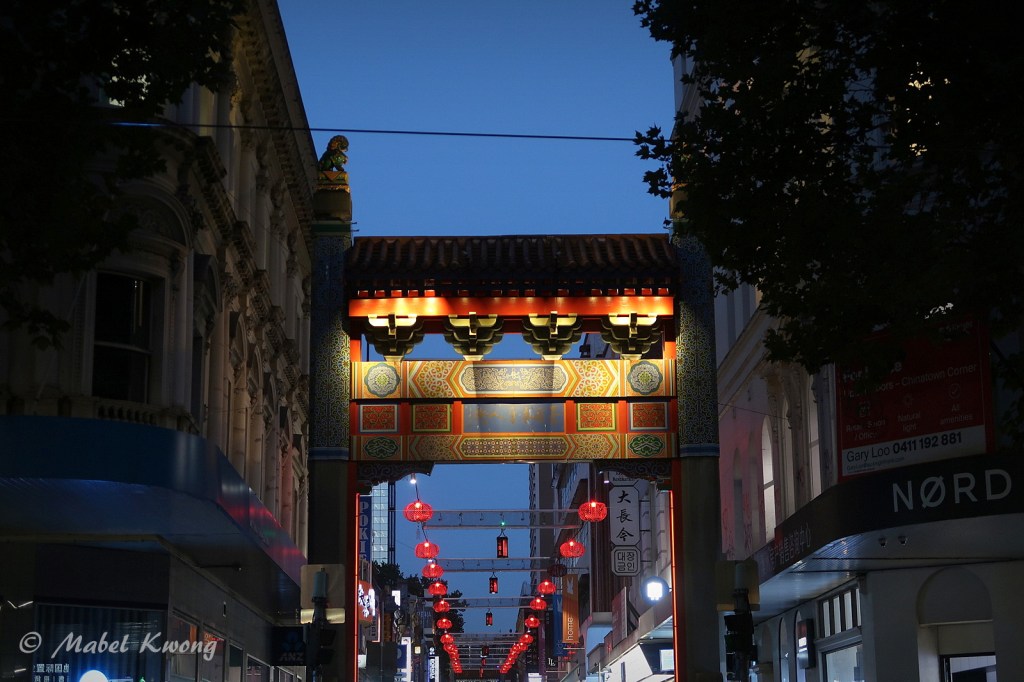
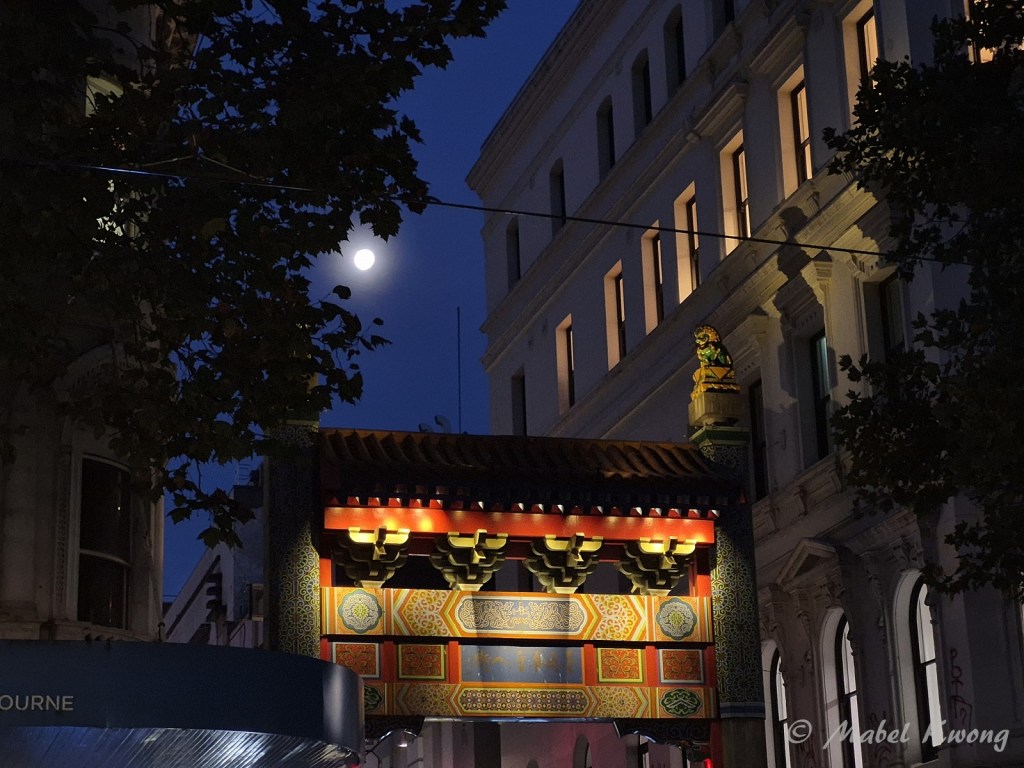
It’s freeing, I muse to myself on eating alone today. A mild chatter arises from the handful of other tables. Beyond the kitchen window, chefs bustle around. People glance through the entrance, linger a little, move along. This thing that is people watching – the curiosity of peering into a world away from your own, sinking into a sense of detachment away from yet another day.
The noise from my day falls away. Tasks and deadlines blend into the background, their urgency trivial made-up. Distractions like my phone can wait. The complexities of people-ling anywhere and everywhere don’t exist right now.

Naturally solo dining offers peace. A chance to disconnect. A pause from the mundane. It’s stepping into a solitude of noticing and appreciating the simplicity of right now.
My dish arrives. I peer over it. Eight dumplings. Each one meticulously pleated, resembling pillows.
Freshly hot. Aromatic. Nestled heavyset in between my chopsticks. Soft as it looks. Chewy.
That’s another thing about dining by yourself – it’s an opportunity for mindfulness. Soaking in the ambience. Savouring your way through each bite. The consciousness, the self-sufficiency of solo dining lends a focus on slowing down over a meal and nourishing ourselves.
Certainly solo dining has its limitations. The limitations of exploring food options. Maybe getting seated somewhere awkward. The potential of getting hurried by wait staff with the cacophony of hungry patrons waiting for to be served in the background.
But none of this bothers me. Quality time in solitude is time unmatched. Besides both the intentionally and wonder around eating alone invites meaningful reflection on what eating means to each of us.
What is our why behind how we eat and dine, then and now?
How does it feel to eat with others, and the difference eating by yourself?
How have we redefined the very activity of eating over time, as mundane as it usually is?
Each of our experience with eating is personal. Over time different eating preferences and habits evolve in our exploration of where we are at with food, wellness, identity, and more.
The Chineseness of dining back then was often, well, striking. It begets the enthusiasm of greeting each another upon meeting and falling into the pull of chatty chatter hours on end. The vibrancy of these conversations. The reverence of roles and the place of a seat at the table for all, young alongside elder. The flurry of passing of dishes.
Lively. Loud. Dynamic. And somewhere amidst the cultural nuances is the company of compromise with fervent compounding camaraderie in the giving and sharing that comes with being Chinese and part of community.
These days calmness calls around my personal preference around eating and dining. The quiet solitude of solo dining, where thoughts, desires and feelings are unpacked over intentional meals. It’s volition to step away from (ironically) mundane routine. And it’s stepping into the experience of eating not purely for taste but a kind of eating that is sustainable and beats within.
“To sit alone or with a few friends, half-drunk under a full moon, you just understand how lucky you are; it’s a story you can’t tell. It’s a story you almost by definition, can’t share. I’ve learned in real time to look at those things and realise: I just had a really good moment.”
– Anthony Bourdain, Bourdain Confidential (2018)
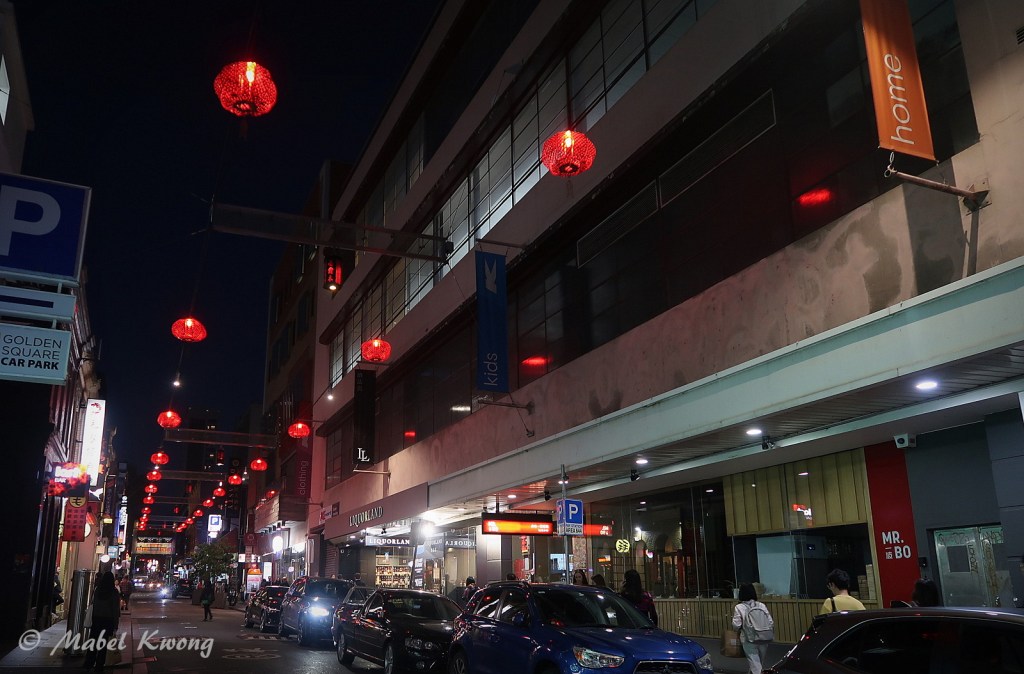
I glance over my plate of dumplings, pondering this meal today. The distinct roundness of each sheng jian bao, symbolic of unity and completeness. The bready dough juxtaposes the rich broth within. The soft pillow-like pleats on top contrast the crunchy golden bases: emblematic of the duality in unity, so often part of the experience of eating and eating together.
Just like how we eat for fuel and nourishment, we also eat for treat. We eat to align with our traditions, and also eat in exploring our identities. We eat with others to connect, share and love, and also eat in solitude for, well, solitude.
These are tasty, I muse over the dumplings. Each bite very, very tasty. Very, very savoury.
I take a very generous drink of water. The blandness of simply water is a soothing contrast to the party of savoury in my mouth. These dumplings look decorative all round, yes, but also the ultimate comfort food for many. And isn’t that what is enticing about eating in solitude as well – to eat as we please, to eat in comfort and for comfort…
I finish my meal. Satiating for sure. But like the last time eating here, don’t love these dumplings. Don’t hate them either. Don’t know if I’ll return. Some meals we look forward to a great deal, and in the end we leave with food for thought – solo dining no exception.
Taking another satisfying drink of water, I think back to my last time at this restaurant. That was many, many years ago as recalled in This Is How We Eat. The many years ago, the same dumplings with the same taste. And today, a place and dish I’ve come back to – out of familiarity in knowing what I’ll get, out of haven’t had something distinctly Chinese in a while so let’s mix it up… After all, eating is a mixing bowl of memory, identity and connection.
“Eating holds more than taste and sustenance; eating holds a story and connects to who we are…Food marks time. It carries us backward and forward at once.”
– Dr Yvette Prior, contributing editor This Is How We Eat: Stories About Food, Culture and Connection (2026)
Where eating with others can be complex, eating alone might offer a taste of solitude. It can be freeing. Peaceful. Mindful. And sometimes, it’s simply what we need right now.
What do you think about solo dining?
* * *
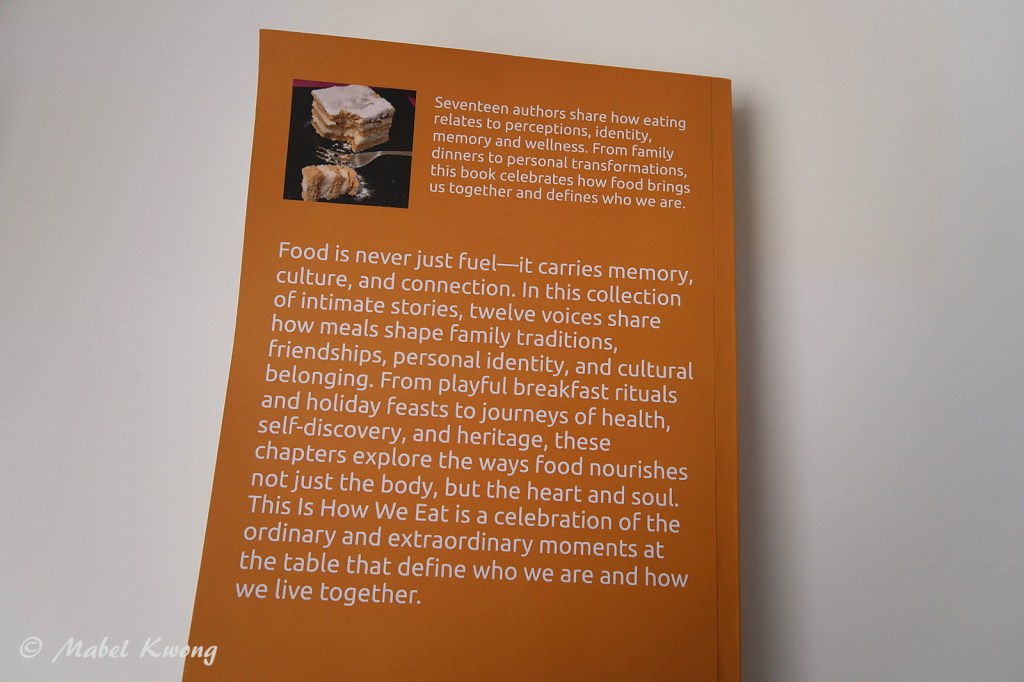
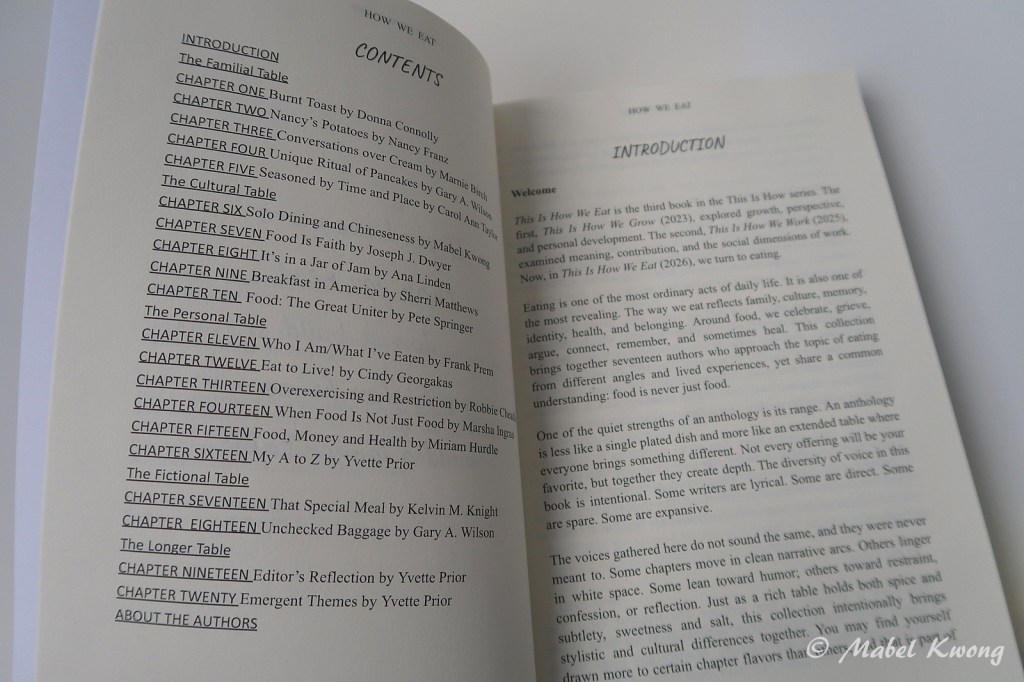
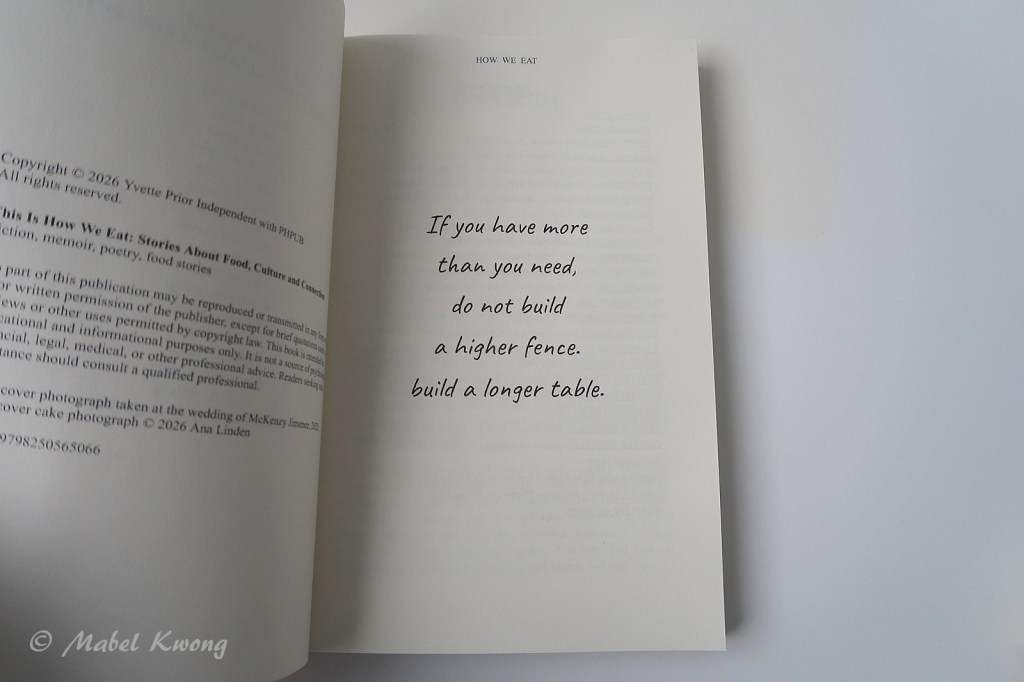
This Is How We Eat: Stories About Food, Culture and Connection is available on paperback and Kindle. Seventeen authors share fictional and nonfictional stories – stories that emerged independently yet echo one another in surprising ways around eating, dining and food.
Yvette Prior – This Is How We Eat (2026) | Author Spotlight – Mabel Kwong
Contributing authors: Marnie Birch | Robbie Cheadle | Donna Connolly | Joseph J. Dwyer | Nancy Franz | Cindy Georgakas | Miriam Hurdle | Marsha Ingrao | Kelvin M. Knight | Mabel Kwong | Ana Linden | Sherri Matthews | Frank Prem | Yvette Prior | Pete Springer | Carol Ann Taylor | Gary A. Wilson


Share your thoughts. Join the discussion