
These days short-form content saturates social media. It screams for our attention left and right with its visual pizzazz. Whereas long-form writing and its penchant to guide us to be still, to read and reflect, where does it fit in?
I don’t want to write! Grrr… I admit. It’s another attempt at writing something up late. There’s a relentless restlessness around what I’m writing and have always written: succinct instructionals, to-the-point guides, concise lists and blogs. Crafting stories of greater length itches away at my soul… But I hesitate.
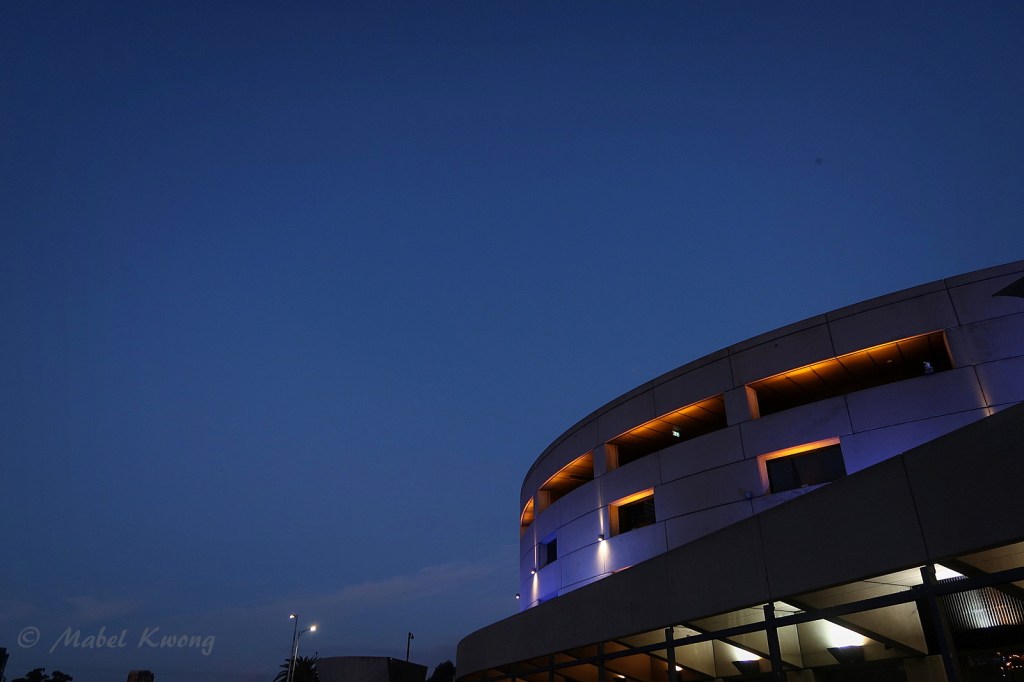
The last of lights go out outside, accentuating the darkness of midnight. The palpable stillness of the night is apparent, the kind ideal for focus and writing. And for inviting stillness within to confront our deepest desires.
Will the stories I write leave a legacy reach anyone? Connect with anyone? I ponder the relevance of sharing writing online tonight.
Perhaps writing has its place and appeal somewhere online, in spaces for those in search of depth, context and perspective.
Long-form writing generally spans a few hundred words and more. It offers in-depth perspectives, detailed discussions and authentic voices sharing their stories. Think articles, essays, commentary. Not as long as a book but something to read when we’re in the mood for something more than a brief hook or catchphrase. It’s content that takes time to consume and make sense, and even more time to personally unearth something out of.
‘Buzzy’ aptly describes the landscape of social media today, spaces far from stilling our minds. Instagram and TikTok feed us snackable videos one after another – autoplay is the default. Twitter ‘X’ pushes short, so-called real time news feeds and swarms of polarising ‘facts’. Facebook, well, it’s a whole other beast altogether.
It’s no surprise social media increasingly perpetuates distraction and distracted minds: shorter attention spans. A culture of glimpse and glance. Such is the antithesis of stillness, stillness which by definition entails a state of calmness and freedom from storm or disturbance. The silent, sustained interest that longer reads and posts call for barely aligns with the electric stimulation of social media.

My eyes break away from writing, drifting outside to meet the usual quietness of this hour. I ponder on. Do people read online anymore? Like actually read and not simply skim?
The immeasurable darkness in the distance underscores my dystopian thoughts. Thoughts on how our minds are scattered more than ever instead of embracing stillness and reflection. On how the next trend is so easily a swipe and seconds away – too easy for us to sink into external stimuli over nurturing inward insights. Scarily, scrolling is as natural as taking a breath. A classic phrase by philosopher Henry David Thoreau comes to mind:
“The mass of men lead lives of quiet desperation. What is called resignation is confirmed desperation.”
– Walden (1854), Henry David Thoereau
In Walden, Thoreau alludes to ‘quiet desperation’ as a sense of unfulfillment by living in our comfort zones. ‘Quiet’ in that we are unspoken against adhering to societal expectations for we yearn to fit in. For Thoreau, the essence of life lies in unhurried, mundane moments where we engage with our imagination and inner world in a given moment.
The notion behind ‘quiet desperation’ aptly describes my dilemma of writing guides, lists and reluctantly, for the algorithm. Such kind of writing is all too familiar and comes easy despite my deep dissatisfaction for it (a story for another day…). Here I am tonight, scratching my mind in much disdain over what I’m writing. What do I write and blog about that’s searchable? That’s relevant to others? My restless mind weighs up countless writing tips and tricks to whet the appetite of the algorithm – an even bigger disdain. After all, cater to the algorithm, the greater chances of a better reach…right?
Algorithms, and AI, are powerful. Smart enough to track our mindless browsing habits and innocent ‘Likes’ to feed more of what and who we are supposedly into. However more terrifyingly, pushing and dictating more of what we are ‘supposed’ to see. Additionally, short-form video is pushed immensely these days: distracted by the allure of what the next swipe and visual brings, we’re unconsciously pushed to read less, question even less.
Social media and anything digital is usually regulated. No matter how considerably a piece of writing or content is created with the algorithm in mind, there’s no guarantee it will be recommended.
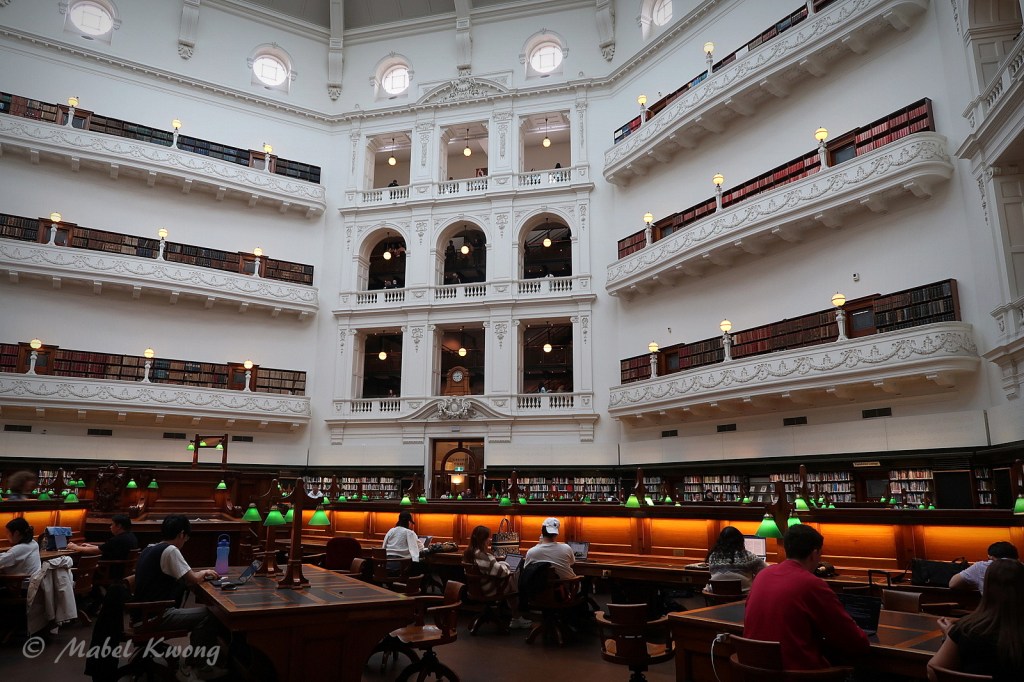
The upside of our digital world is that we are more connected than ever. Being online we come into the privilege of sharing with each other, anytime and anywhere. So what’s a constructive platform for sharing writing?
It could be blogs and newsletters. There’s normally a larger sense of intimate connection and community here – subscribers generally want deeper experiences or something meaningful. What about Substack? Like traditional blogging platforms, it’s ‘slower’ and espouses greater niches in terms of written content by writers compared to other social media. That said, building a community there is no different to building a community on a regular blog or mailing list.
Additionally, there’s a more calmer, intentional pace of creating and consuming surrounding blogging and newsletters. In her post Is Social Media Dead for Photographers, photographer Leanne Cole wrote many don’t see blogging as social media; that we generally have more control over what we post and what appears in our subscription feeds. It’s an interesting point as blogging as a platform for sharing our craft tends to be rather distinct. Wrestling with WordPress and blog platform functionality can be a pain. But there’s often a patience and effort to get a post up. Not to mention posts we see in our reader or feeds usually are what we choose and subscribe to – subject less to algorithms and advertisements unlike other social media platforms.
Enough of writing for tonight. Enough of playing forever games with the algorithm! I’m on to something else now – perusing my WordPress reader like I do a fair bit. As I previously wrote in Balancing Reading and Writing as a Writer, reading and writing complement each other. The woes of the algorithm melting away, I read rapt in the quiet of the night. In fact, a big part of sharing my writing online is born from such solitude – completely attuned and inspired by others writing purely for the sake of writing and sharing. As Thoreau (1849) once wrote, ‘Silence is the universal refuge…a balm to every chagrin.’
The structures of our digital platforms are here to stay for now. Short form content isn’t going away anytime soon. To elevate one’s presence and craft online, perhaps it takes a balance of creating short and long form content.
Adopting short-form content is often a bridge for others to discover our longer-form content. As we scroll, we instinctively click on what captures our attention at the start or right now, a curiosity for more. It’s similar in real life when we’re finding something to read or browsing at the bookshop. We get drawn to reading or buying a book by scanning the title and blurb in the first instance.
It’s also practical to create long-form content and repurpose it into something shorter. It’s sharing more of what we offer across platforms and tapping into the possibilities of our reach. Nevertheless, a part of me always dies creating for social media – it’s essentially pandering to algorithms, submitting to the hands of AI and assuming the role of a pawn gripped by quiet desperation.
That said I’m not against short-form content or social media, be it consuming or creating it. I’m concerned about how it can be used against us – pushing us to favour one world over the other and over reading intentionally. And it already is.
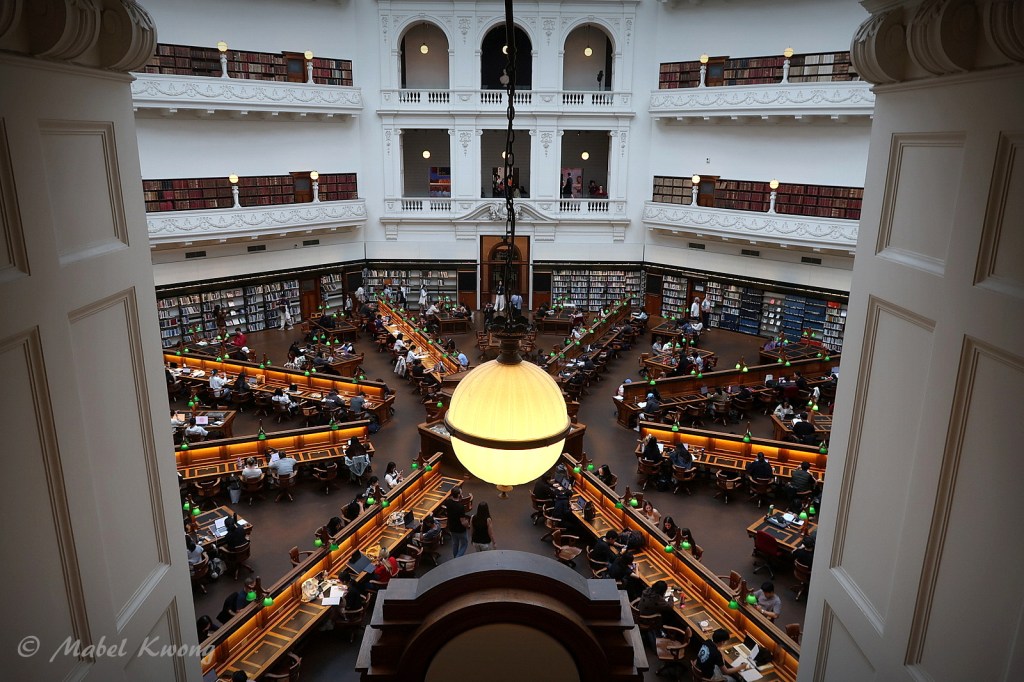
Now, enough of reading for now. But I don’t feel like going back to writing just yet. Like any other night, I sink into the couch. Phone in hand, curious on what’s going on out there. I scroll. Scroll and scroll, my eyes tracing and glimpsing…
…I don’t know how long I’ve been scrolling. But everything feels too fast. Too hectic. Too noisy. It’s a stark contrast from the satiation of reading earlier. That’s enough! And I put my phone down.
Disappearing offline and away into solitude screams at me to beckon. I am reminded that embracing stillness, we stop. Become more intentional. At times stepping away altogether from being online may be what we need to discover what platforms call to us.
“Stillness is our most intense mode of action. It is in our moments of deep quiet that is born every idea, emotion, and drive which we eventually honor with the name of action. We reach highest in meditation, and farthest in prayer. In stillness every human being is great.”
– Leonard Bernstein
Long-form writing is as important as ever these days. It not only offers depth and value but encourages stillness within as we read – and to become more aware of where we are at.
In a time where everything online moves so fast, the pause to read long-form writing invites us to slow down. To remember the value in focusing on one thing and seek more beyond what we know. For writers, the focus on creating something at length and depth asks of us – what captures our attention, and how may it be explained with words and therefore be meaningful to others?
My aim with writing is simple: to inspire us to live alongside cultural differences. To get us asking ‘why’ we react to each other the way we do and at the same time, understanding accepting ever-evolving identities. It’s not always easy writing or discussing about cultural identities: confronting how we really feel about each other, and especially how we feel about ourselves, is confronting in itself. But it’s something a lot of us probably wonder about.
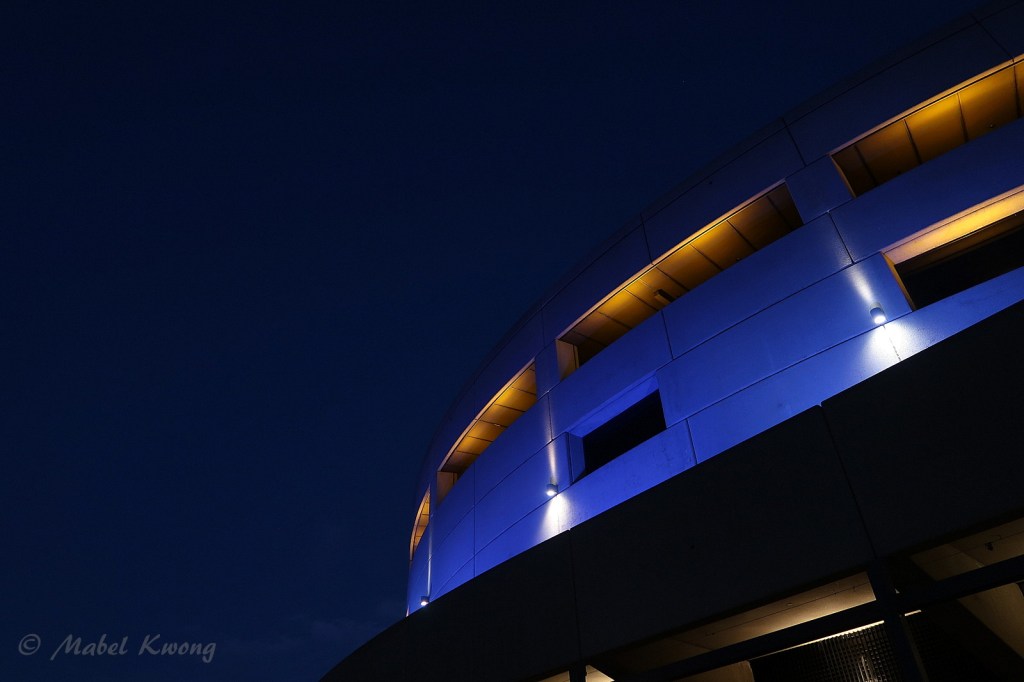
I get up from the couch and wander over to the window. I relish the stillness up late. The stillness tonight, a sanctuary away from the buzzyness of being online. A momentary escape from our incredibly digital, mundane lives of quiet desperation. The darkness of the night, while it drives us to duel with our deepest troubles, also awakens within what else that’s possible.
There’ll always be corners of the internet quieter than others. Just waiting to be discovered and read.
Do you like reading blogs or newsletters? What social media do you use?


 I checked my spam folders and it isn’t there. It must be WordPress gremlins.


 Mabel Kwong
Leave a reply to Prior… Cancel reply