
With COVID-19 racing across the world, it’s become a different reality overnight.
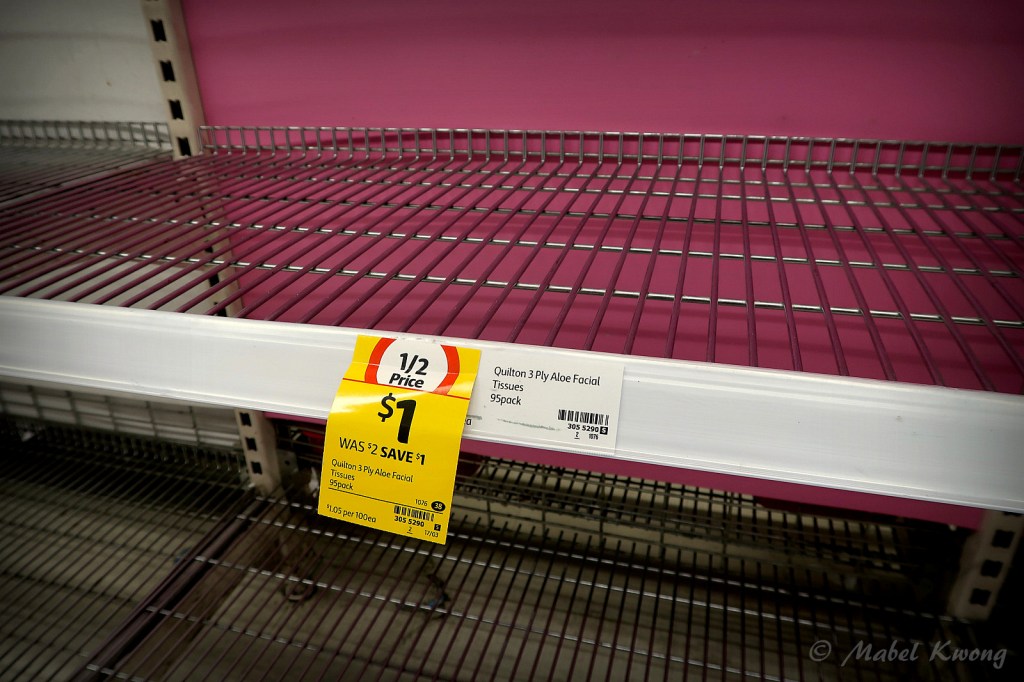
Some of us feel fear hearing COVID-19 cases rise in other countries. Feel uncertainty as toilet paper disappears from the shelves at the grocery store around the corner.
For some of us Asian-Australians, we feel the slap of racism once again amidst this pandemic.
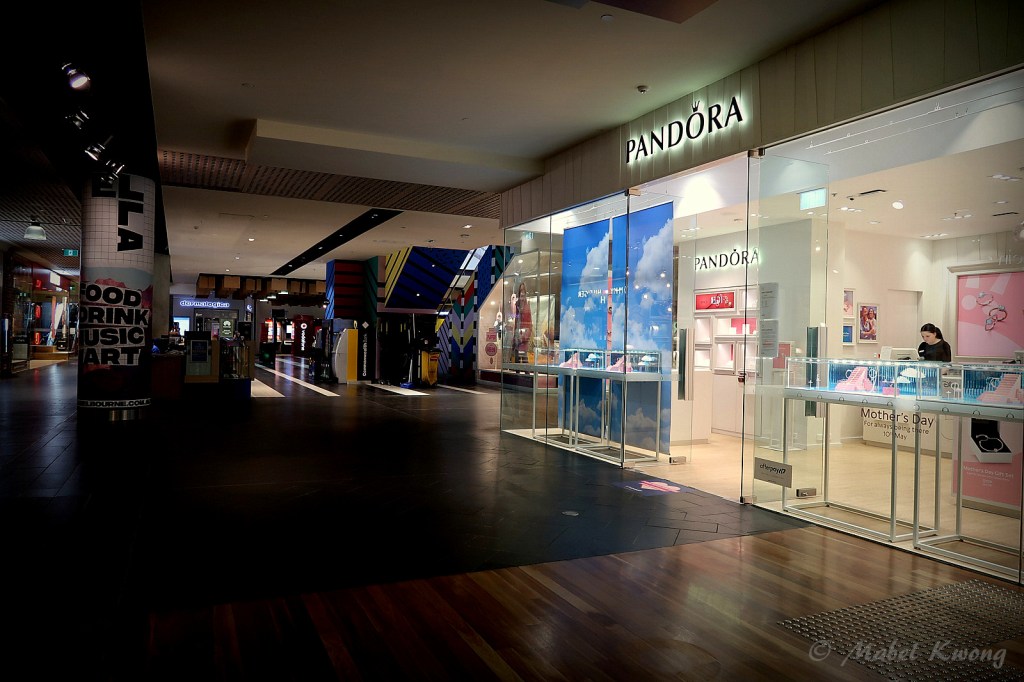
Being an Asian-Australian who once aspired to be a journalist in Australia, it’s disappointing seeing recent anti-Asian sentiments in the media and racist incidents on the streets. It’s undoubtedly disappointing seeing certain cultural groups get accused of spreading coronavirus.
As COVID-19 spiked in Australia, women of Asian ethnicity were mocked by a coughing man at Brisbane airport. Ethnically Chinese women were attacked and told to ‘go back to your country’ in Melbourne’s CBD. Parents at Melbourne’s Royal Children’s Hospital refused to let doctors of ‘Asian appearance’ treat their children.
Racist media representations
It seems Australian media encourages racist micro-aggressions during this COVID-19 crisis through framing techniques. Framing constructs narratives, including and excluding facts.
Newspaper headlines such as ‘Chinese Virus Pandamonium’ and ‘China Kids Stay Home’ frames Chineseness as the yellow peril. Phrases ‘Deadly new Chinese coronavirus’ and ‘China’s killer coronavirus’ sensationalise the stereotype that to be Chinese is a danger to others.
Who knows if the coronavirus originated in Wuhan, China. After all, viruses can remain dormant before mutating, becoming active and taking flight centuries later.
Through juxtaposition, the media paints the racist rhetoric that being Chinese is second-rate. Italy is portrayed in a sympathetic light: honoring Italy’s front-line medical heroes in portraits and the country singing outside their balconies in lockdown. In contrast when China built a coronavirus hospital in ten days, media outlets questioned its secretive system (which is a valid point).
The blaming of Chinese is nothing new. Writer Carrianne Leung’s paper on the impact of SARS highlighted a history of ‘xenophobic panic’ with Asian immigrants called ‘dirty and diseased’. Academic researchers Dorothy Nelkin and Sander Gilman mention blaming is a means to ‘(make) devastating diseases comprehensible and therefore possibly controllable’.
Too often the media is biased towards those with fairer skin. Too often the media worships the western world as classy and sees people of colour as not classy enough, not enough to be cared for.
The news also frames Australians as undeserving pandemic victims because of their privilege. Australian travellers quarantined in five-star hotels were reported as complaining for getting free microwaved meals. There are reports the JobKeeper subsidy isn’t enough to support those who lost their jobs. One can say many living in a predominantly white Australia and spending-driven economy don’t have backup plans. Yet they want a five-star lifestyle handed on a silver platter when the world actually turns upside down.
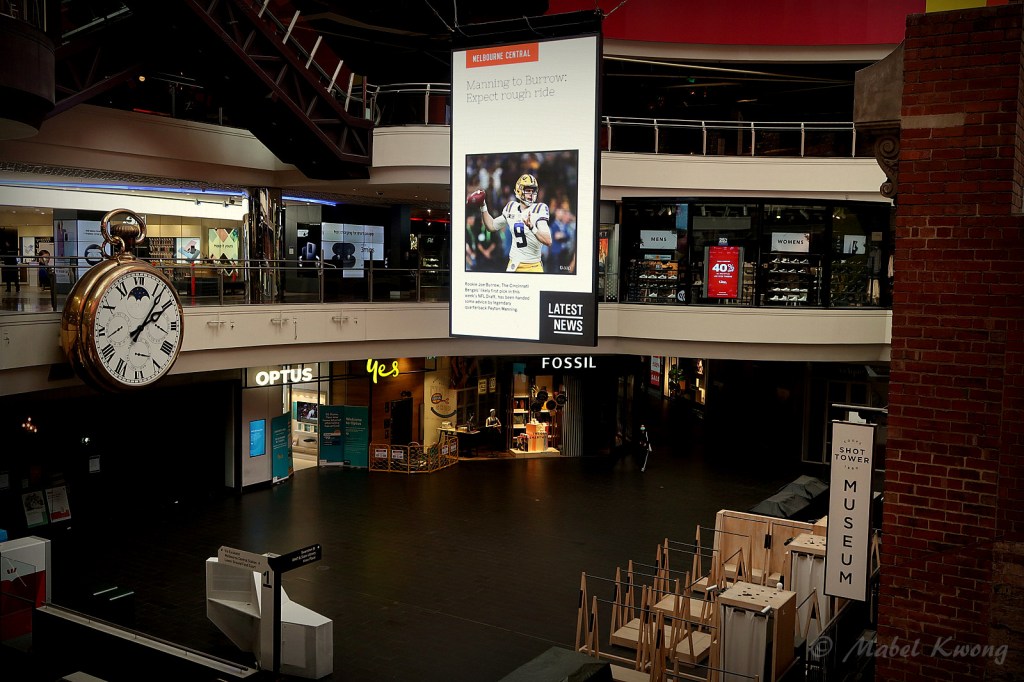
It’s evident western voices dominate as white saviours with few diverse voices on the pandemic frontline. For instance, in Australia’s mainstream media we hear Anglo-Saxon political groups enforcing gathering restrictions and leading coronavirus modelling. In contrast while it’s encouraging to hear COVID-19 messages translated into various languages, ethnic groups and Indigenous Australians are shown as struggling to keep up with these messages.
As Professor Lilie Chouliaraki argues, commonly news coverage utilises ‘improper distance’, practices of communication that ‘privilege the voices of the West over the voices of the suffering’. Western voices are deemed more credible than a person of colour’s even if the latter has something important to say.
Other notable patterns within Australia’s COVID-19 reporting:
- Plenty of graphs and charts tracking cases.
- Emphasising increase in infections as opposed to recoveries.
- Live ‘breaking’ coverage with recycled ‘churnalism’ news.
- The race to find a vaccine to brag about.

What COVID-19 coverage says about us
The news informs, educates and shapes how we think. How news stories are written depends on newsworthy factors, one factor being proximity: shared cultural values and national traits. Often people want to relate to the news. So what we usually see in the news is a reflection of society.
Hearing about racist attacks and headlines in the news, it speaks of a racist Australia. Seems quite a few of us are stuck in the traditional mindset of ‘West vs East’, ‘Us vs Them’.
When Australia’s news privileges western voices, white supremacy reigns supreme and other groups are marginalised here.
In times of crisis many of us instinctively retreat into our own cultural bubble for comfort and control. We are quick to believe logic-driven science to make sense of crisis, such as looking at graphs tracking COVID-19 cases (but there’s probably an under-reporting of cases because not everyone can get tested).
Times of crisis also bring out the worse in us. Being racist, panic-buying toilet paper and hoarding food is not helpful. Right now we’re seeing a world where we’re ignorant and self-entitled within our own cultural bubble – someone else has to be the weakest link. Many of us think ourselves and our family are the most important when in reality, others are equally important.
Just because you’re lucky enough to hoard toilet paper doesn’t mean you should blame others. Just because you have family and biological children doesn’t mean you’re better than someone else.
Moving forward
It’s interesting to see Australian media outlets get away with racist content. It’s a reason why I decided not to be a journalist in this country.
Racist and sensationalist news usually generates fear. Maybe this fear scared Australians to stay home, and that’s why we’re flattening the coronavirus curve. If that’s the case, can’t argue with that.
It’s encouraging to see parts of Australian media condemning anti-Chinese behaviour in these difficult times. Political philosopher Tim Soutphommasane recently suggested trusting our leaders and trusting each other is needed to stamp out racism and rebuild. True, as with trust we can have more open conversations.
However, we can’t expect everyone to trust each other. Not all of us get along. We each have our own likes and dislikes and personal attributes. To minimise racism, the least we can do is try to understand where someone is coming from, and let each other be.

As a pessimist, I reckon there won’t be a 100% fool-proof vaccine to eradicate COVID-19. I also reckon it’s a new mutable virus the world was not prepared for and hence all this fear, uncertainty and panic. If the news reported the flu (for which there’s a vaccine) as scare-mongering as COVID-19, maybe there’ll be panic of the same kind.
Aside from fear, uncertainty and panic, there’s also anger right now: anger at how leaders are making decisions or lack thereof. Anger at hoarding. Anger at why we have to stay home. Anger at others for not staying home.
Admittedly this post sounds angry. I’m angry at the racism going on now. I’m angry at Asian Australians getting picked on yet again, knowing I can’t do much about this.
Most of us are staying home and isolating, be it by ourselves, with roommates or families. If we use this solitary time to reflect on our place in the world, we might accept our differences. Maybe we’d be angry at others a little less.
On keeping our distance, the more appropriate term is physical distancing instead of social distancing. As fellow Australian blogger Gary Lum at Yummy Lummy wrote, standing apart from someone is physical distancing. When physically apart, you can still social through social media or texting.
Many seem bothered staying indoors and self-isolating. Really goes to show this extroverted world can’t handle being introverted. That’s a story for another day.
Things haven’t changed much in my household. As an introvert, I’ve been enjoying this home time, working from home and being unproductive too. I’m not bothered by cancelled catch-ups and having no idea when our next dinner out is. I’m not angry anymore at being turned away again and again as a journalist in Australia. I’m one of the lucky ones in the grander scheme of things.
Every person matters, from tireless healthcare workers to domestic violence victims to those left jobless recently. Freedom is not a choice for some. So for us lucky ones, we should do our part, be greatful and stay home.
Moving forward, we need to accept things won’t always go our way post-COVID-19. Moving forward, slow down. Think twice about traveling. Think twice about going out if you’re sick. Less spending. Less catch-ups even. More backup plans. Be more appreciative of those who are there for you.
Moving forward, we should accept a new normal and be more respectful towards each other.
How are you today?


 Mabel Kwong
Leave a reply to lorriebowden Cancel reply