
If you want to feel connected to where you live, you might want to cultivate good feng shui at home.
Practicing the art of feng shui can help attract positive energy and create a more balanced atmosphere at home. When you feel good vibes at home, chances are you’ll feel better about your life.

When you feel better about your home and life, chances are your everyday life will attract wealth, peace and prosperity.
Feng shui might seem overwhelming at first. But look closer and you’ll see feng shui is about creating a happier and healthier environment. Its principles are founded upon symbolic interior design rules and basic home organisation arrangement.
Pronounced foong shway, feng shui translates to wind (fēng, 风) and water (shuǐ, 水). Having been around since 9BC, it is aligned with the Five Elements of Chinese culture: wood, earth, fire, metal and water. A central theme of feng shui is chi (qi, 氣), encouraging positive flow of energy to create harmony and balance within spaces through design.
China is known to have developed the feng shui compass, the Luo Pan (luó pán, 羅盤). Legend has it around 25 BC the Luo Pan was presented to the Yellow Emperor Huang Di to assist in a heroic battle against evil wizards. Philosophers Lao Tzu and Confucius based their philosophies on feng shui. The Great Wall of China was designed with feng shui in mind and its curved wall symbolises favourable moving chi.
My Chinese-Malaysian parents have always lived by the traditional Chinese mentality and championed feng shui. For them, rooms and furniture have to be laid out a certain way.
Over the years, I’ve learnt there are meaningful reasons behind this behaviour. Notably, feng shui is more than just decluttering Marie-Kondo-style, more than minimalism and conscious mindfulness of our surroundings.
Maybe you’re wanting to redecorate your place or are looking at buying a house. Here are some easy ways to incorporate feng shui to feel more contented at home.

1. Choose the right location
Cultivate good feng shui by choosing a favourable area to live in. Where your home is located can affect the energy flowing through it.
For instance, a house located on the inside of a curved road or with the front door facing an oncoming T-junction is considered bad feng shui. Incoming vehicles directed towards your place is reminiscent of a collision course and symbolises ‘poison-arrow’ energy (shā qì, 煞).
Avoid living beside a dumpster or busy road. Some believe these locations cause you stress or you’ll constantly be at a cross roads with ‘blocked energy’.
Many Chinese property buyers in Melbourne prefer places with a good view on higher floors: facing a swimming pool or the sea, facing water symbolises wealth. Many also avoid living on the fourth floor as the number four is considered unlucky.
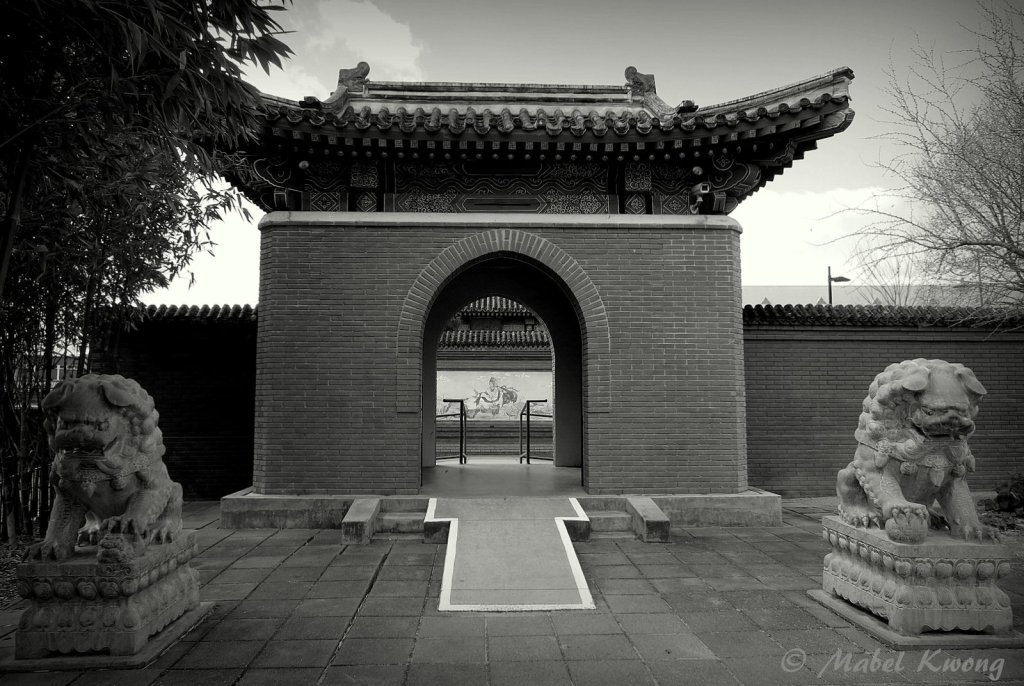
2. Keep a spacious front entrance
Keep your entrance area spacious to attract positive energy. If the front door is directly aligned with the back door, place a shelf or potted plant halfway to break up the straight line. This prevents chi coming in the front door from flowing directly out the back door, instead circulating chi through your home.
It’s desirable to have the front door open up to an open space as opposed right into a bedroom, kitchen or bathroom. This directs energy flow to all corners of the home instead of chi dominating a certain room.
During the Lunar New Year, many Chinese tidy their entrance and leave the front door open to usher in prosperity. An open door signifies invitation, welcoming guests and camaraderie. Personally, I keep my front door locked at all times because I don’t want to get robbed. Instead I open the window during festive and summer seasons.
3. Have a supportive bed
Place your bed in the ‘command position’ so as to have a good view of your room, enhancing your inner chi, control and life vision. The door should be within your line of sight when you’re in bed.
Avoid having the foot of the bed directly facing the door as chi can run too powerfully towards the middle of the bed and cause diseases. Try not to have mirrors facing your bed as they reflect light and energy around the room, causing restlessness and perhaps attracting infidelity.
Also avoid placing the bed directly under a window as pollutants and outside noise can disrupt your sleep. Instead, make sure your bed has a solid headboard and leaning against a wall that isn’t adjacent to the toilet.
In Chinese culture, good feng shui and sleep support metaphorically equates to sleeping against a solid mountain that has got your back.
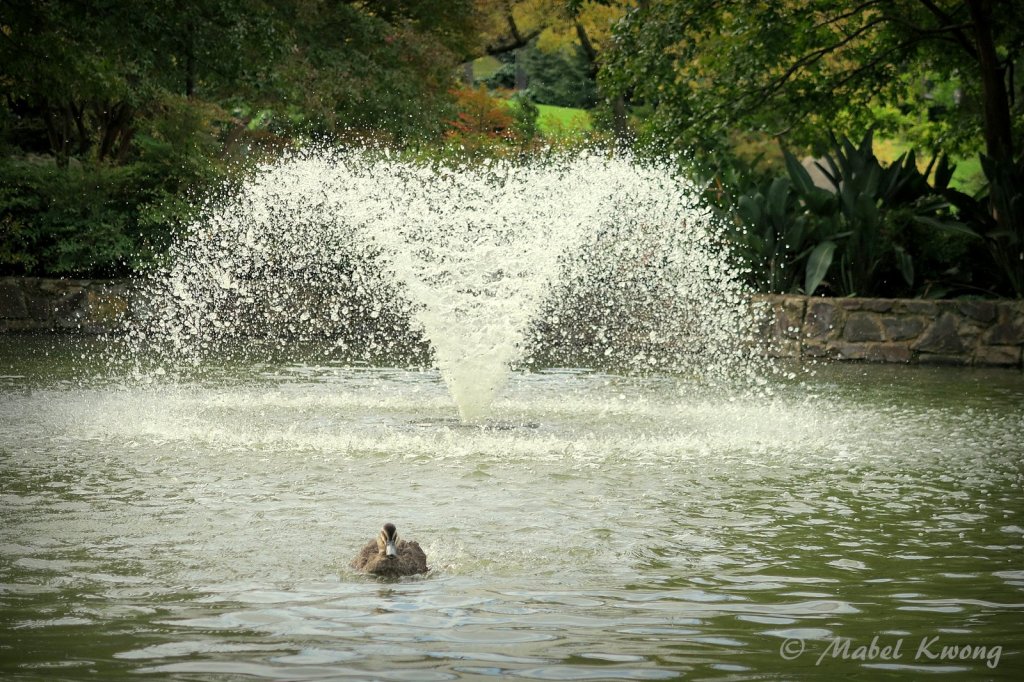
4. Invest in water
As one of the Five Elements, water is symbolic of abundance, wealth and nourishment. Drinkable water is a vital commodity in China where water is scarce in some areas.
Consider getting a water feature in your home. You could set up an outdoor pond with koi fishes and a waterfall in your front yard.
Alternatively you could get an indoor decorative water fountain for your desk or hallway – with water flowing inwards and not facing the door. Having running water around not only adds incoming wealth but also prosperity.
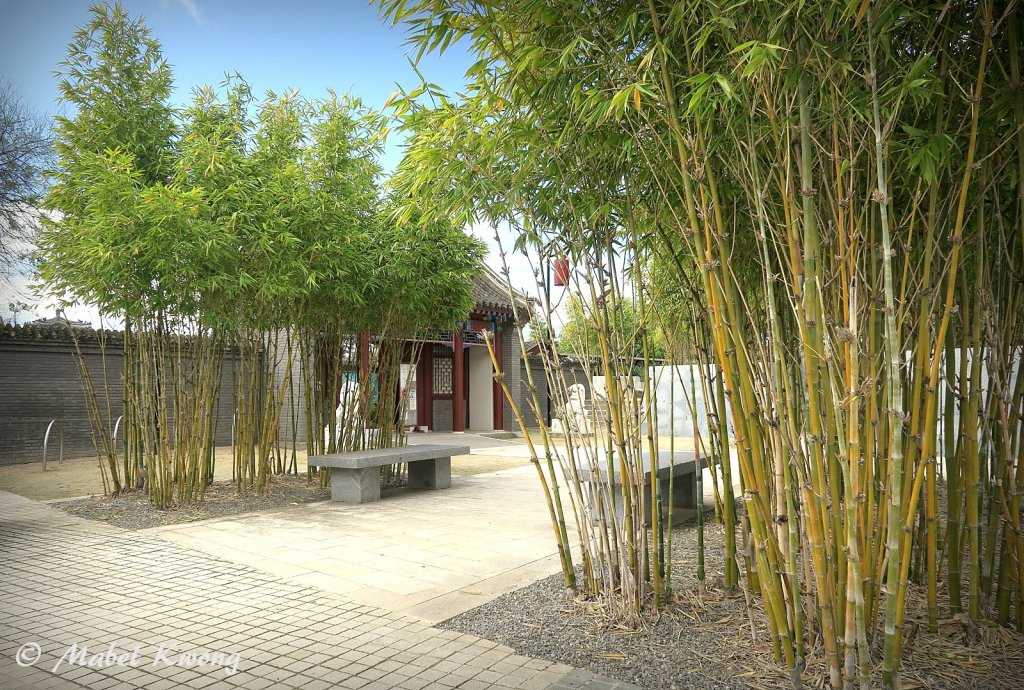
5. Get some plants
Plants are symbolic of abundance and continuous growth. They radiate harmonious energy simply by being living things.
Liven up your home with indoor plants such as bamboo plants or money plants. Also known as epipremnum aureum or Devil’s Ivy, they are easy to care for and represent luck. For a pop of colour, perhaps bring home some cherry blossom stalks which are believed to bring good health.
Think twice about getting spiky plants like cacti. These plants are generally considered bad feng shui, bringing about nervous energy. On the flipside cacti can be seen as resonating protective energy.
6. Choose a balanced colour scheme
In feng shui, colour correlates with the Five Elements in Chinese culture. Notably:
- Red (fire) corresponds to energy and simulation.
- Yellow (fire) is linked to power and patience.
- Black (metal) represents career.
- Grey (metal) signifies helpful people.
- Brown (wood) is about stability.
- Green (wood) symbolises health and wealth.
- Blue (water) illustrates career and wisdom.
It’s common in Chinese homes to colour code each room according to geographic direction. For instance, painting the East-facing wall and having wood furniture in the living room activates the wood element.
To counter inauspicious chi, try painting your walls a lighter colour such as a light cream or grey shade. These shades are favourable for the bedroom and bathroom, encouraging you to rejuvenate and counter negative chi from waste water.
You might also want to choose colours from each element group when decorating your living room. This helps create a sense of balanced well-being and improved mood. For instance you could have a light grey couch with peach-coloured pillows – attracting kindness and luck while making your room colour-coordinated.
7. Clear clutter
Clutter at home adds up to negative chi. This can lead to stuck energy or blocked energy from fear and pessimism of being careless with your possessions.
Declutter your home and clear out unwanted items to feel refreshed again. Downsize your closet that is bursting at the seams. Pick up knick-knacks scattered on the floor. Empty overflowing trash bins. Sweep your floors. Wash your bedsheets.
While I’m not a minimalist, I like my place organised and tidy. Putting things away and seeing a clean, well-arranged space makes me feel more comfortable at home.
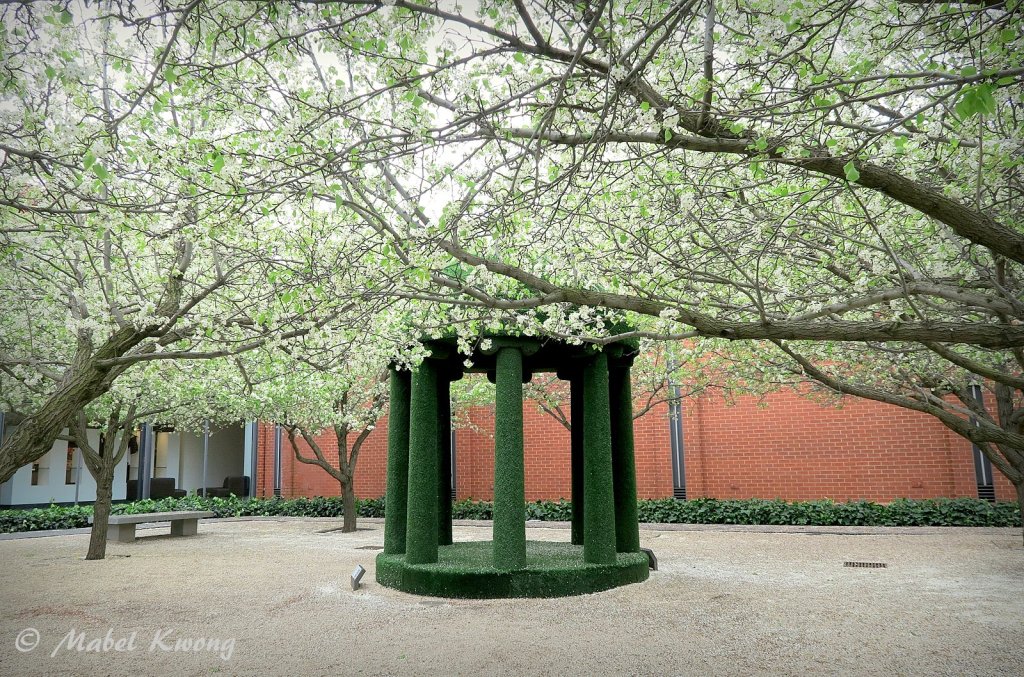
8. Let in light
Pull up your blinds and curtains. Let natural lighting and sunshine stream through your windows. Add mirrors around your home to reflect light and make rooms appear bigger.
Light is associated with the fire element and is symbolic of stimulating warmth and energy. The brighter our home, the more inviting it will seem. After all, our eyes are drawn to light and ambient lighting stimulates conversation.
Part of me likes the blinds down and not exposing my home to the world. Another part of me also likes pulling back the blinds on warm summer evenings, letting that sunset come through the windows.
* * *
There are different approaches to feng shui. Some might believe in Chinese philosophy and turn to feng shui consultants to get the most out of their homes. Others might view feng shui from a more Western-inclined mindset, focusing on arranging spaces based on architectural aesthetics.
Neuroscience and architectural research by sociologist Dr John Zeisel suggests man-made environments affects your mind and that in turn effects how you respond to your surroundings. It’s interesting to note the common differences in the design of gardens: many Western gardens lean towards square layouts and showcase artificial man-made beauty, while classical Chinese gardens tend to be more softly curved in layout, imitating nature as much as possible.

Does feng shui actually work? Few studies have been done on the effectiveness of feng shui. A study in 2017 by Auckland University of Technology looked at the relationship between feng shui and hotel success. The study found two accommodation properties with poorest feng shui ratings had the weakest success ratings in terms of occupancy and profit.
At the end of the day, your home is your most personal space. Make your space your own based on what you like and what makes you tick. There’s nothing like making your home yours and feeling connected to it – a space where you can simply be yourself.
Do you practice feng shui?


 Mabel Kwong
Share your thoughts. Join the discussion