
When it comes to eating Chinese food, there are quite a few stereotypical myths around this dining experience.
Living in Singapore, Malaysia and Australia, I’ve had my fair share of Chinese cuisine. At least once a week I eat Chinese food. What I’ve noticed is that Chinese dishes aren’t the same everywhere.

In Australia, Chinese dishes at restaurants are often Westernised to suit Western tastebuds and prepared differently from food served in China. Arguably Chinese cuisine in Australia is not authentic.
This is probably how interesting myths about Chinese food came about. Here are some myths about Chinese food that you shouldn’t believe.
1. Chinese dishes come from one place
With more than 1.35 billion people in China, there’s the misconception all Chinese food originates from one area. In fact Chinese food is prepared differently all across China – different regions differ in availability of ingredients and cooking styles.
Cantonese cuisine tends to be non-greasy, light and sweet. Sichuan dishes and Hunan cuisine are on the savoury and spicy side. Shanghai cuisine is often pickled with wine and tastes sweet and sour. Shanxi cuisine is on the sour side and produces aged vinegar.
Among the 23 provinces in China, the northern ones are cooler and produce more noodles. Southern provinces closer to the ocean produce more rice and seafood dishes.
Plenty of Chinese food originates outside of China. For instance, Hong Kong is arguably the home of dim sum. Malaysia has its own variation of the vegetarian wrap popiah. Originally hailing from Hainan in China, Hainanese chicken rice has been adapted and regarded as one of Singapore’s national Chinese dishes.
More than once I went to a Chinese restaurant in Melbourne and ordered stir-fried Hokkien noodles. The dish came with carrots and tasted sweet – which is never the case in Malaysia. Also dumplings I’ve eaten in Australia taste good but most of the time the dumpling wrappers are thicker and coarser than in South-East Asia.
2. Everything MSG
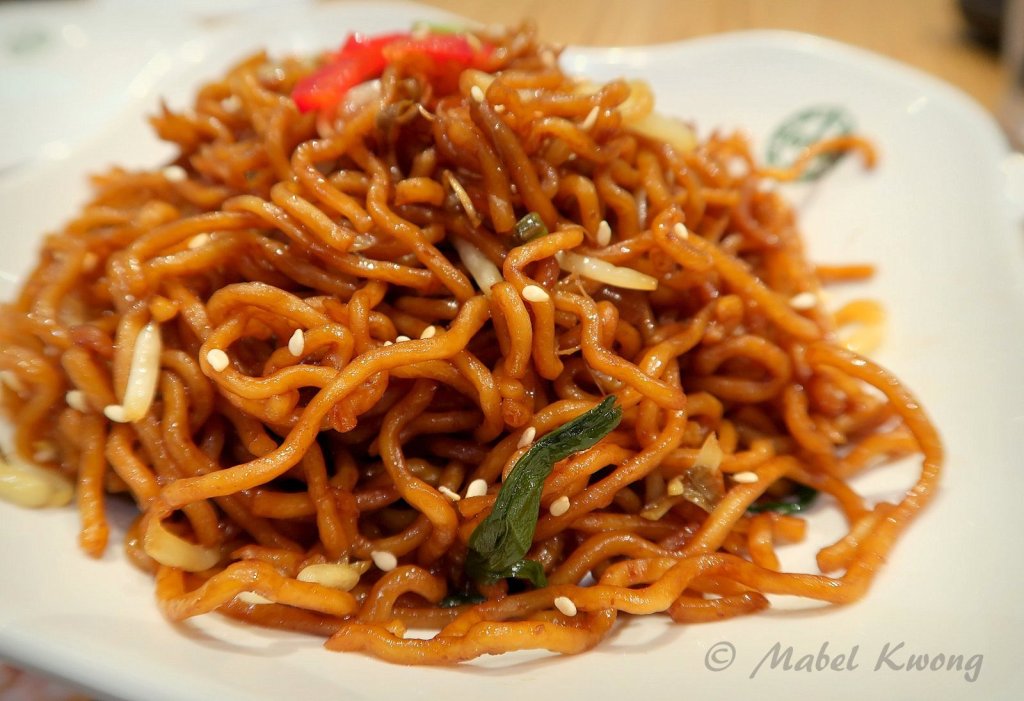
Popular Chinese dishes include: sweet and sour pork with artificial tomato sauce, battered lemon chicken and black pepper chicken.
In reality not all Chinese dishes are battered, crispy and saucy. In reality many Chinese dishes are prepared with the minimal MSG, minimal sodium and fresh ingredients.
Growing up in a traditional Chinese family, garlic stir-fried Chinese broccoli, soy sauce steamed garoupa and steamed ginger chicken were dishes that my mum prepared each week. These dishes might sound plain but they are perfect for healthy options and quick meals.
3. All spicy dishes
All spice and everything hot and nice is not every Chinese dish. There are classic spicy Chinese dishes such as kung pao chicken and ma po tofu. Then there are also classic non-spicy dishes such as egg fried rice and Peking duck.
The latter dishes were some of my favourite dishes growing up and don’t just taste just hot, hot and more hot.
There’s also the myth that many Chinese handle spicy food well. There’s currently no conclusive study proving this or showing which racial groups are less sensitive to capsaicin (TRPV1) receptors.
Handling spicy is not up my alley. When I eat a bowl of spicy noodles, a mouthful of water is needed to calm my tongue down after every bite. Many spicy dishes in Australia are nowhere as spicy in Asia and even these dishes I find spicy.
4. All about rice and noodles
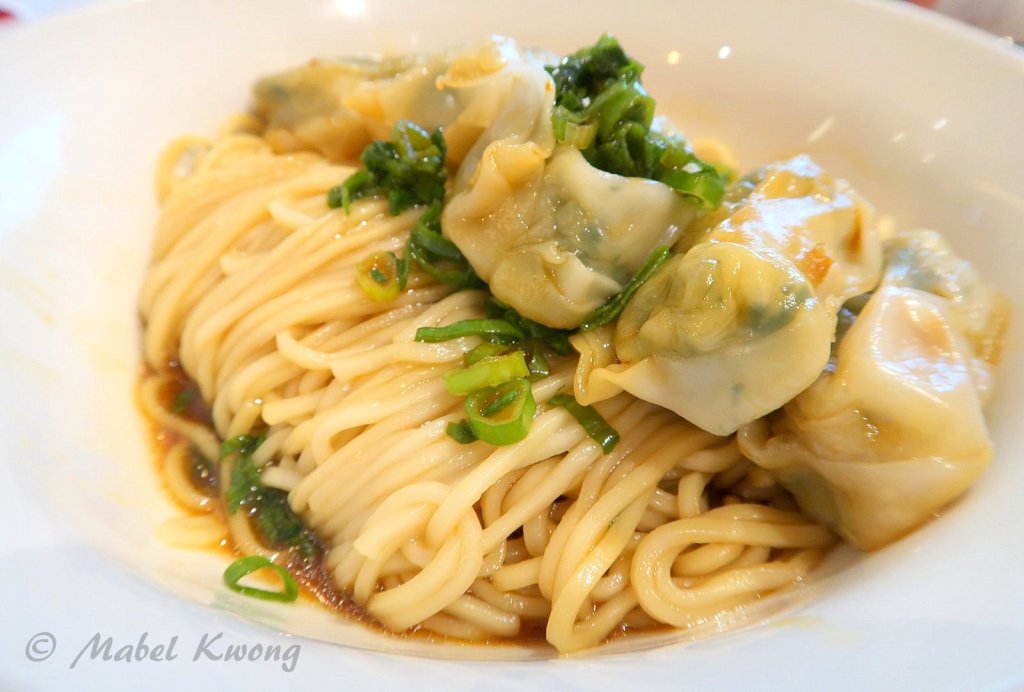
Rice is a staple in Chinese cuisine. Some of my Chinese friends say they ‘don’t feel right’ if they don’t eat rice or noodles for a few days.
However rice and noodles are taking a backseat as hybrid Chinese cuisine is becoming more popular today. Think Korean Chinese and Indian Chinese hybrid dishes. These Asian fusion dishes are often standalone dishes and aren’t served with rice or noodles.
Up until my university days I ate rice practically every night up. These days I don’t eat rice very much. I’ve gone weeks without eating rice and felt normal.
5. Chinese people eat everything
In recent times not everyone in China eats dog, cat and monkey brains. Not every living organism is seen as source of sustenance here.
There are more and more vocal campaigns against the annual Yulin Meat Festival where thousands of dogs are consumed. China also has an increasing number of families that own pets and keen on pet services.
Eating dog or cat never appealed to me. I have eaten kangaroo a few times. The first time I ate it was at a Chinese restaurant in Singapore. The kangaroo meat was served in a hot clay pot along with vegetables and tasted similar to beef.
6. Fortune cookies and takeout boxes were invented in China
Fortune cookies aren’t common in Asia. When I lived in Malaysia and Singapore, they weren’t served after a Chinese meal. Wet towelettes for freshening up were given out instead.
Legend has it the fortune cookie was founded in Los Angeles in 1918: Chinese immigrant David Jung passed out cookies containing Biblical strips to the homeless. Another legend has it that a Japanese immigrant founded the fortune cookie in San Francisco, passing out cookies with thank you notes inside to friends as a mark of appreciation.
Similarly, the cardboard Chinese-takeout container is an American invention. Also known as an oyster pail, it was patented by Chicago inventor Frederick Weeks Wilcox. Initially designed to hold oysters, these durable, inexpensive and convenient origami-like boxes were adopted by America’s Chinese food industry as takeaway boxes.
Whenever I ordered Chinese take-away in Singapore and Malaysia, my food came wrapped in brown grease paper or packed in white styrofoam containers, with sauces and soups bagged in plastic bags.
7. Dirty restaurants
There is some truth to the myth that eating Chinese isn’t the most hygienic experience. In South-East Asia, hawker stalls are commonly set up right beside congested roads. Food is cooked beside these road and patrons dine on the curb.
Countless times in Malaysia I had dim sum in cramped and dinghy shop houses where oxidised grease was stuck in between floor tiles. A bowl of boiling hot water is usually served to rinse the cutlery that might have had cockroaches crawling over it – a ‘plate washing tradition’.
In air-conditioned shopping malls in Asia and Australia, there are many clean and sanitary Chinese restaurants. More Chinese franchises are setting up in Australia such as Papparich and Old Town White Coffee – franchises often marketed as modern dining experiences with bright and spacious interiors.
* * *

Food and tastebuds evolve over time. Aside from westernised Chinese food in Australia, there’s also something called Chinese Australian cuisine. That’s food brought to Australia by Chinese immigrants and adapted into local cuisine.
As I’ve written The ‘Dimmy’ Dim Sim: A Chinese Or Australian Culinary Item?, the dim sim is an Australian culinary creation and is not to be confused with dim sum. Created by a Chinese chef, the dim sim exemplifies Chinese and Western cuisine characteristics: minced meat (similar to meat in a sausage roll) wrapped in crispy or steamed skin like a dumpling.
I’ve never heard of the dim sim until I moved back to Melbourne. It’s not something served in Asia. Then there’s something called ‘Singapore noodles’ in Australia (and in the UK), a dish consisting of stir-fried rice noodles and vegetables. In Singapore, there’s no such thing as Singapore noodles and I was so surprised to discover it in Australia.
Too much of anything can be bad for you and that includes Chinese food. In general, many of Asian background are slimmer than Westerners – which leads to the myth that Chinese cuisine is a healthy cuisine. This isn’t always the case. There’s greasy fried rice, oily chilli-oil dumplings and fatty sweet and sour pork.
In addition, serving sizes of Chinese dishes are much bigger in the Western world. While I can easily finish a serving of fried rice in Singapore, I’ve never finished a serving here in Australia. One plate of a Chinese dish in Australia is double what you get in Asia, and probably double the amount of calories consumed if you eat the entire dish.

Each dish has a story or cultural nuances behind it. The Asian Oriental Salad and other racially-cliched titled dishes that are still on menus speak of casual racism in this world. That’s probably also where Chinese food myths and misconceptions stem from too.
You are what you eat. What you eat is who you are. Your identity and what you eat are usually more than just a stereotype. With each dish, you can think about where it comes from, how it’s eaten and why it’s eaten. As Nigerian chef Tunde Wey said:
‘To talk about race and food, we have to change the terms of engagement. We should reward not just the finished product of transformation but also the process.’
The more we learn to understand the stories behind each dish, the more we come to know each cuisine is more than myth and stereotype.
What do you know about Chinese food?


 Mabel Kwong
Leave a reply to James Cancel reply