
Art or science? That’s a choice we might have to make at some point in our lives, maybe when we’re deciding what to study. Or choosing our career. Or deciding on which passion path to take.
Art is commonly thought of as abstract work, work that doesn’t always follow particular patterns, work open to interpretation. Think the fields of writing, music, painting, photography. On the other hand, science is commonly associated with logic and grounded in rational thinking, Think the fields of astronomy, accounting, law, medicine.
I was good at both in school. But it wasn’t until much later in life that I decided to focus on becoming a non-fiction writer.
Art or science? What we want in life often plays a part in which we choose, and it’s a choice that shapes who we are.
Some of us choose arts over science because we love the free-falling, anything-goes liberating feeling that comes with creating art. No need to fit a mould, no formulas to dictate our imagination. There’s usually no right or wrong answer in the realms of creative art; what we create can be as wild as we think. When it comes to the creating process, psychoanalyst Rosa Aurora Chávez-Eakle argues the artist is in a constant state of self-actualisation while psychiatrist Kazimierz Dąbrowsk argues artists experience ‘overexcitability’, experiencing the world intensely. This kind of art often translates from within the depths of our soul, the depths of emotional feeling as we realise what we honestly feel – which makes it unique.
In high school, aside from English I studied physics, chemistry and maths. At university, I did a Bachelor of Arts with distinction. On my degree my mum frequently commented, ‘You won’t get a well paying job with that, let me tell you.
Typically in Asian cultures, it’s considered impressive if one can do the math (especially according to fellow blogger Autumn Ashborough’s Chinese in-laws) and each year studies show Asian countries continually come in tops in maths. Artistic professions involve more subjective evaluation and (cultural) discrimination. Hence a scientific stable job which also typically pays the bigger bucks is ‘the face of pride’ In Chinese culture.
I always liked humanities. When it came to maths assignments, I applied numerical theory against numerical problems and got the answer. It felt ‘predictable without soul’. When I wrote an essay on the rise of hybrid cuisine, I suggested cooking comfort foods like ‘bon-bon-looking dumplings’ covers up cultural differences. Touchy idea, yes, but the lecturer loved it. I loved my own idea.
Creating art with far-fetched ideas, there’s the feeling anything’s possible. You feel the possible right within you.
Going down the path of the arts, some of us artists relish listening to different perspectives around us. It makes us ask ‘why’ about the world. Learning to respect what’s been said and taking our own stance, we find our true (artistic) voice, what matters to us and where others are coming from.
At university, I rejoiced whenever I had to write 4,000-word essays for my humanities subjects. I borrowed countless books and downloaded countless e-Journals from the library. Hours and hours I swotted over historical and modern literature. The more I read, the more I wanted to read and come up my original literature. On the other hand, applying a maths formula to a maths problem and getting the answer yet again, each time my mind went, ‘That’s the way it is’.
When we’re an independent artist, we learn to be an adaptable jack of all trades. It’s one thing to create art but another thing to share it with the world. There’s designing, marketing, promoting, publishing, networking, copyright issues to get around, budgeting and more when it comes to the process of connecting art with others.
When I started this blog, I learnt how to use CSS to brand the look of this blog, learnt the theory behind photography, and took on freelance writing gigs. But my mind nagged at me to find a decent job. The passive, practical Asian stereotype within me told me to think for the future – because it worked for many of our forefathers, because it’s rational sense.

And so as an artist dedicated to our craft, we learn the lesson of underdog discipline. Not everyone will agree with what we create. Not all of us will be able to make a living off just creating something subjective. Not all of us will be able to spend as much time as we like on our art, especially if we have a day job. Most of us won’t sell a million pieces of our art. But if we love doing art enough, we’ll make time for it.
In 2014, The Good Universities Guide found up to 70% of those who studied a creative arts degree in Australia were still unemployed four months after completing their course. My parents liked compared me with my friends who were engineers and accountants raking stable income. My mum often said, ‘See, study arts. Now not much money.’ It wasn’t pleasant to hear but it was reality until I built up my writing portfolio.
At one point I had a regular office job to pay the bills, and outside of that, I kept writing. I write well aware of the fact that there’s a lack of cultural diversity within Australian media onscreen and off-screen, a lack of Asian role models to look up to. Dedicated artists hustle and make the most of circumstances to create their craft. As amputee model Jessica Emily Quinn said:
‘It doesn’t matter if your cup is half full or half empty, just be greatful you have a cup. Now make magic out of it.’
Choosing to pursue arts over science or science over arts doesn’t mean we’re less smart than those who choose otherwise. Arguably both arts and science go hand-in-hand, influencing each other. Arguably art is science and science is art. We might even pursue both for a living. Neuroscience has proven that we use both sides of the brain when we do any task. The world is where it is today because of both.
When we do what we love, it doesn’t mean it comes easy to us or we’re good at it as much as we like. Studies suggest practice does not make perfect, ‘performance difference’ can depend on genetics and opportunity. I never struggled with maths in school. But words and writing don’t always come naturally to me, and writing and blogging takes a lot of work for me.
Whether or not we prefer art or science also comes down to our personal preference and what makes us happy. Sometimes we’d feel something is ‘just not for me’ and other interests ‘why not’. Along this writing journey, photography (for this blog) captivated me more and more. It’s something I enjoy, something I want to do more of and put writing aside at some point.
On the topic of success, ‘making it’ is vague in the arts as art is subjective, likability subject to personal taste. In 2014, Princeton researchers found we are more biased than we think: participants in a study rated famous artists’ works higher than little known artists’. This creative journey has been such an experience in my spare time over the years – academic journal publications together with academic scholars, this educational blog from no readers to an engaged audience, a chapter in collaborative self-help book Lady By The River. As artists, when we feel we’ve shared and touched others in some way with our craft, we feel like we’ve made a difference.

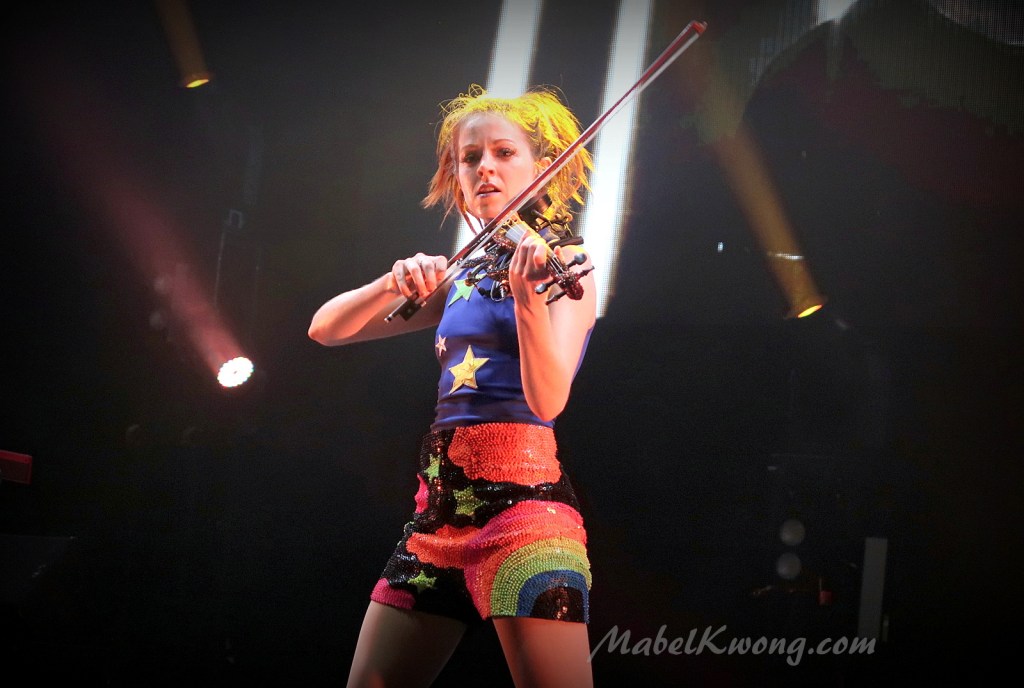
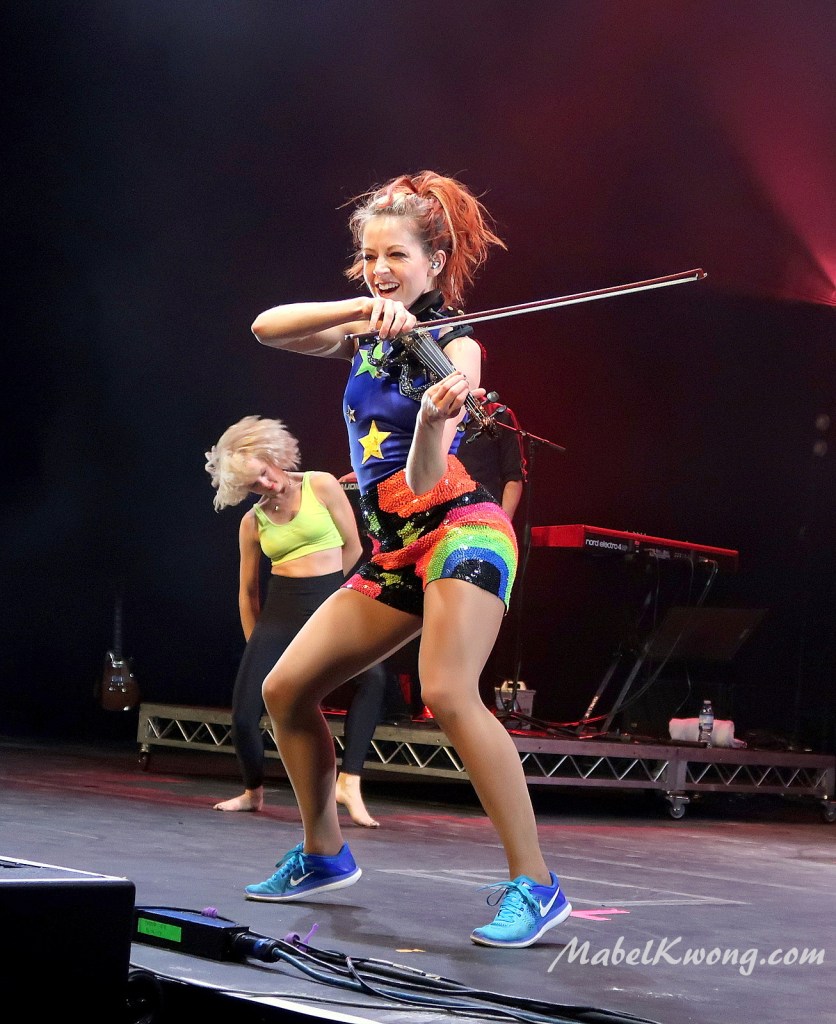
Apart from finding self-confidence to create beyond the culture we come from, the beauty of being an artist lies in learning to be humble – learning to appreciate it’s never just about you. There’s always the ones closest to us, the believers, carrying a torch for us in spite of the ‘this is as good as it gets’ feeling we feel. Art is a team and one big ride together. On being mediocre and accepting that, Lindsey said:
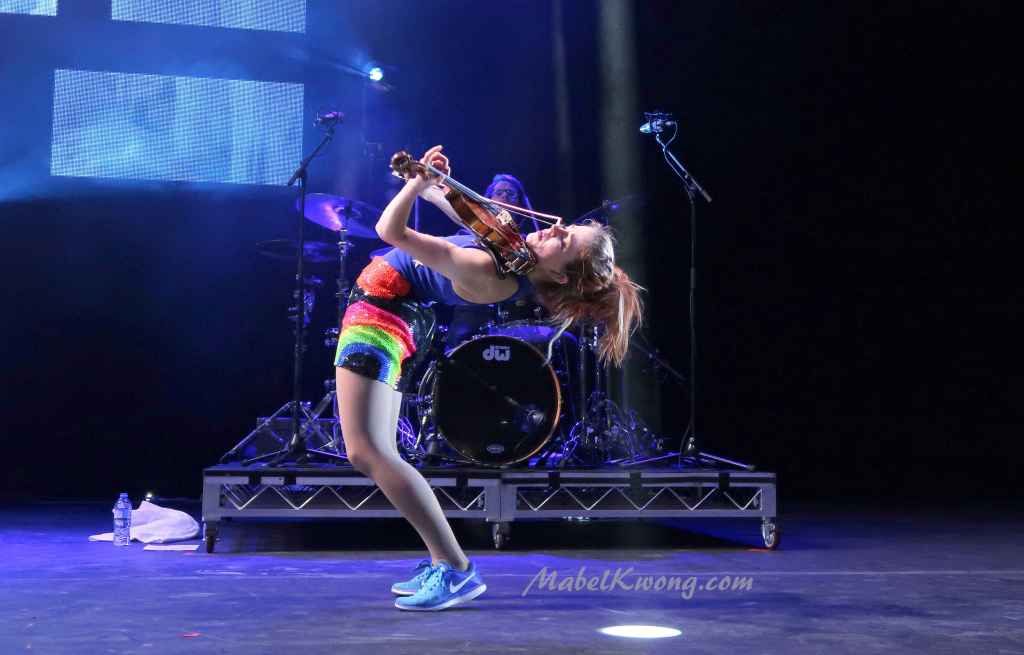
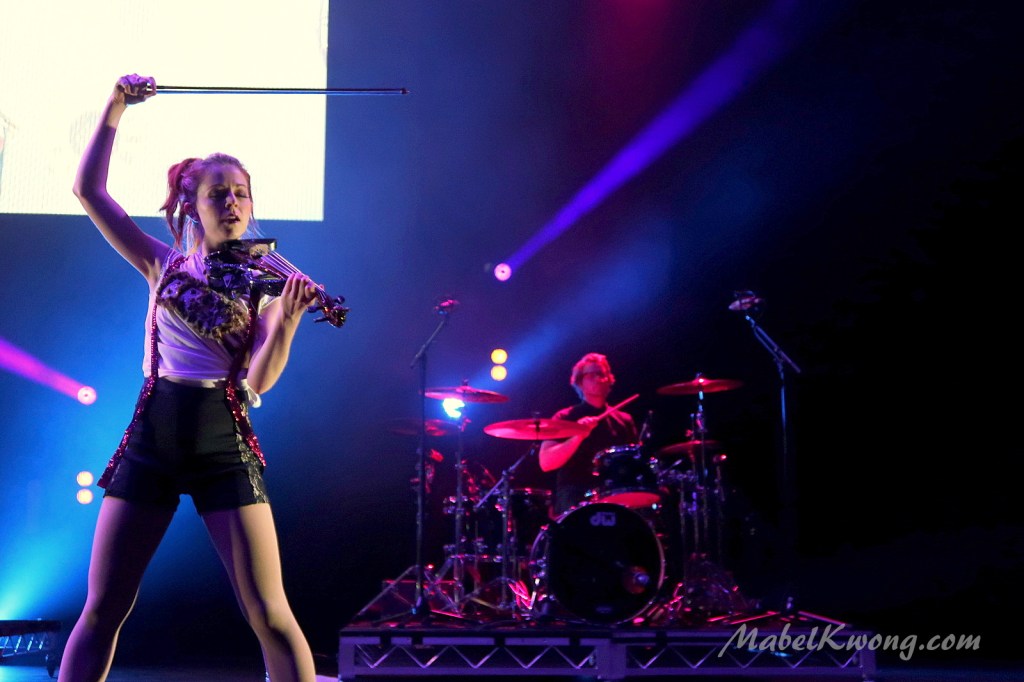
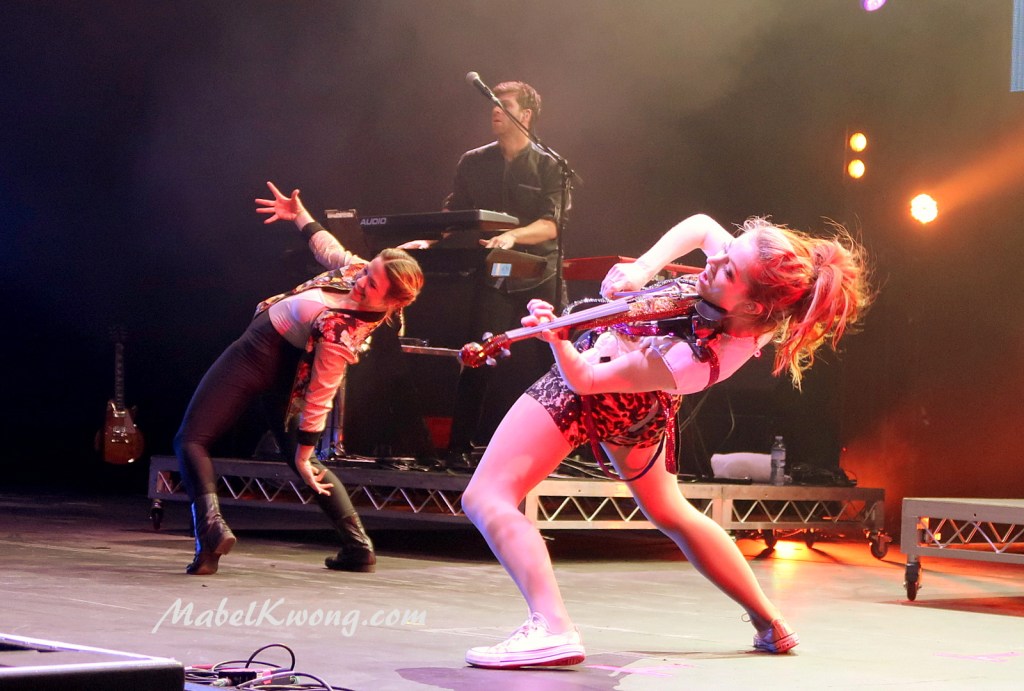
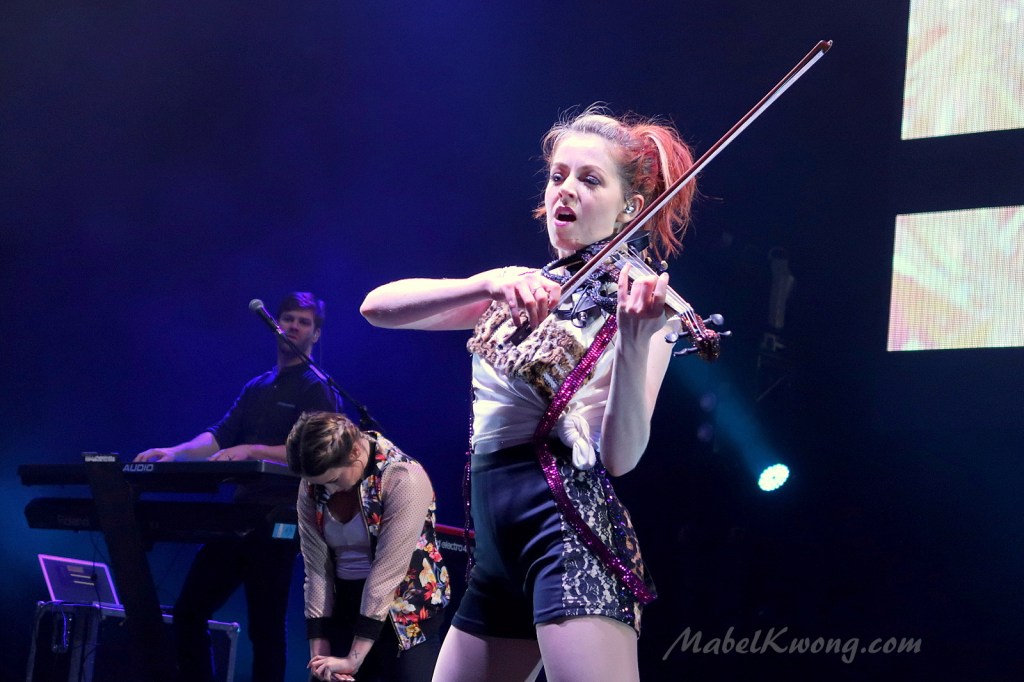
‘Maybe my best isn’t as good as someone else’s, but for a lot of people, my best is enough. Most importantly, for me it’s enough.’
As a creative artist, you learn nothing’s ever perfect with yourself or your art. Or the people around you. Or the world. You deal with it.




You get some. You give more.
Are you more of an art or science person?


 Mabel Kwong
Share your thoughts. Join the discussion