
When it comes to fashion and clothing in Asian cultures, modest and conservative styles are more acceptable. Skimpy, figure-hugging, translucent and transparent clothing tends to be frowned upon, or at the very least not the go-to look for quite a few Asians.
Modest dressing is my kind of style pretty much every day. But that’s not to say I don’t wear something bordering on the ‘wild’ side. Occasionally I do, and have no regrets even though I come from a typical Chinese background.

In a nutshell, for many men and women alike, modesty is about dressing in a way where we avoid drawing attention to ourselves and avoid inspiring sexual attraction. It’s also about our attitude and character, about being humble and reserved in the way we live our lives.
The way some Asians dress is bound by the morals of religion and faith, some believing our physical body is not meant to be lusted after. Islam’s code of modesty advocates humility in all aspects of life: the faith encourages one to look inside a person; women are discouraged from adorning their bodies for men and vice-versa in order to uphold one’s dignity. An estimated 245 million follow Buddhism in China, and desire is seen as distraction and hinders fulfillment in this faith. Whereas in Confucianism, reconciling desire with one’s community to bring about communal structures is taught.
When I lived in humid Singapore, many of my Muslim lady friends wore the hijab (vs burka vs niqab). Some wore long sleeves (baju melayu for males, baju kurung for women) and even gloves all day long.
The kawaii and innocent look has always been a trend among Asian girls and Asian men (think K-pop, J-pop boyband looks). Conservative dressing makes this look come to life. Sleeves, frilly high-neck collars, stockings and corsets can make one look like a doll, child-like – and looking young is a craze among many Asians. In a sense, wearing more protects our façade. Wearing more shields our skin from the sun and getting tanned is a travesty for some Asians.

Sometimes modest dressing in Asian cultures is tied to gender structures that have long been rooted in tradition. Patriarchical hierarchies dominate many a typical Asian family: bodies are considered sacred powers of procreation, and some Asian women often feel subjected to be quiet and wear non-flamboyant attire to be seen demure, ‘worthy’ to be doted on. Generally speaking, the more scantily one dresses or the more fitting our attire, the more of our body is revealed for all to see, and the more our body exudes what we see and feel in the heat of sex.
Therefore, showing off ample skin or wearing figure hugging clothes that reveal or accentuate one’s private parts tends to be seen as obscene in Asian cultures. Also, sex and nudity are taboo topics among many stereotypical Asians who uphold the values of privacy and purity. That is, some Asians regard the body as a temple; there’s more to a body than how it looks and stimulates aroused desire within us. When you meet someone, would you rather sell sex – sell what your body can do physically and emotionally towards another’s – or rather sell who you really are spiritually – what your heart is capable of together with another’s?
Some say the conservative fashion codes in Asian cultures are oppressive in terms of our individual right to wear what we want. For instance, staying covered is a necessity for women in places such as India because if one doesn’t, the leering male gaze beckons and so does rape.
Wear more and some may stereotypically think we are prudish and wear less some may stereotypically think we are adventurous. In many Western corners of the world, skimpy attire is acceptable. Showing skin is seen as having the confidence to embrace one’s body no matter the shape – we all have skin, a belly, thighs, chest and so on. Wearing less in Western cultures is also a sign that one is brave to speak out – dare to bare, dare to share.
These days some Asians feel more and more this way, not against skimpy clothing. Chinese-Portugese Australian model Jessica Gomes and Zhejiang-born Chinese model Sui He have walked international catwalks modelling that clothing reveals much. Within the realms of anime, video games and cosplay, the sexualised kawaii image is common.
Perhaps our mentality is becoming more Westernised these days, or perhaps we care less about what we wear, or don’t wear, and care less about what others think about our fashion sense. In other words, we simply are who we want to be and do what we want to do, with heart. As essayist Ralph Waldo Emerson said, true beauty lies both on the inside and outside:
“Beauty is the virtue of the body as virtue is the beauty of the soul”

Often we dress to suit the occasion, having a penchant for wearing more on certain days and less on others.
There are times when the way we dress is seen as a statement, perhaps a political, feminist, rebellious or religious stance or at the very least a façade that is judged. What is modest to us may not be modest to others. In Malaysia, Western tourists have been arrested for stripping off on top of Mount Kinabalu and at the Grand Prix. In Cannes, fines have been issued to those who cover up at the beach – like someone wearing a burkini or headscarf. In Australia, there is open racism towards Muslim women wearing the hijab. On the contrary, in Saudi Arabia women generally wear fully-covered burkinis or abayas when they go swimming in public, and baggy boardshorts for men.
It has been argued that wearing more is the in-thing, that modesty is the new sexy. Rightfully so. But sexy really is about feeling confident in what we wear whether modest or not-so-modest, comfortable in our own skin doing what we want to do – and that is where self-worth comes from. However, dressing modest we not only see others as more than objects of affection to be felt and held, but we also come to truly connect with each other. As author Wendy Shalit said, beauty comes from uncertainty:
“Modesty answers not the crude how of femininity, but the beautiful why.”
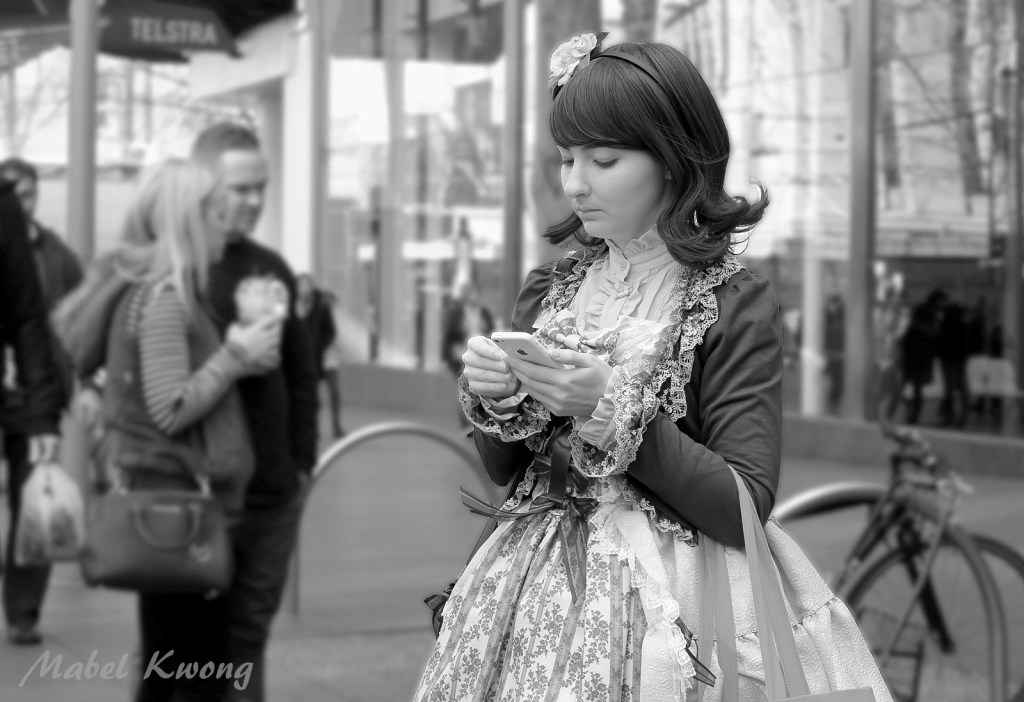
Most days, my typical outfit is a plain T-shirt and jeans, be it on a weekday when I don’t have to work or weekends. Nothing wild. You could say my fashion sense is boring, as plain as a wallflower. But that’s just me.
The way we dress and look isn’t the be all and end all. But there’s always something mysterious about modesty. Modesty brings out a level-headedness in us. Modesty conceals, hides not only the physique of ours but who we really are.
It holds back the depths of what makes us tick, and a little bit of mystery about each other makes us interesting puzzles to figure out. And connect with too.
Do you dress modestly?


Share your thoughts. Join the discussion