
There are many stereotypes about the land of Australia. Whether you have lived in, visited or heard of Australia, chances are you’ve come across typical perceptions of Australia in the geographic sense – and come across Australians agreeing with them. And disagreeing with them as well.
Having lived in Australia for a while now, I’ve noticed some things are always predictable about this 7.692 million km2 patch of land called Down Under. At times its surrounds surprise me when I least expect it, and sometimes it doesn’t.
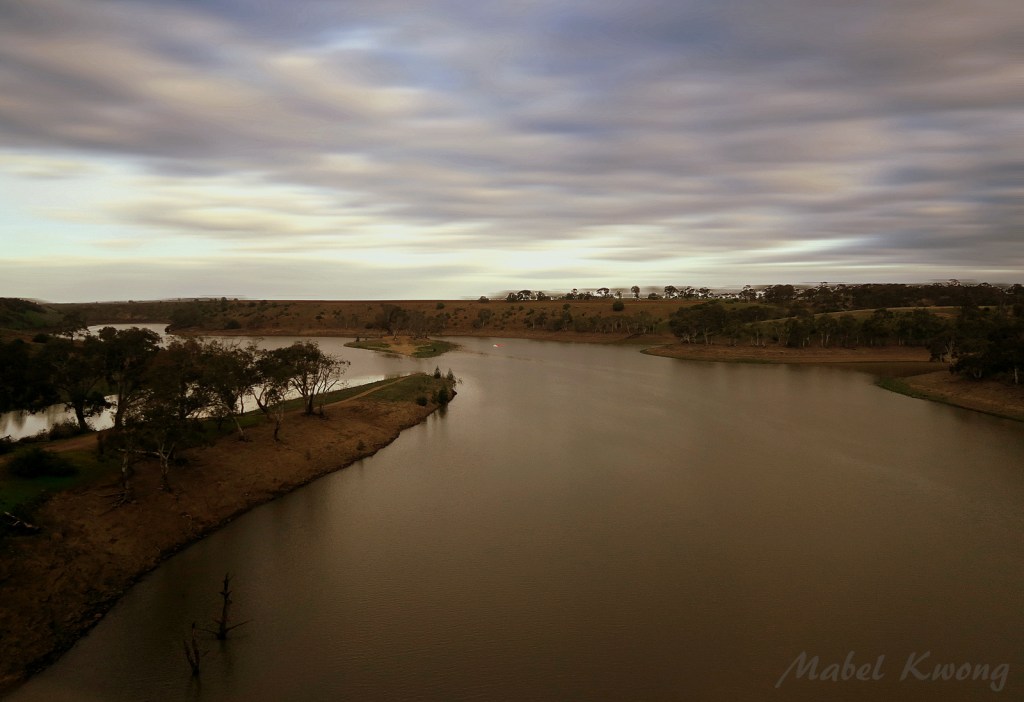
Some of the stereotypes you may know, and some you may have vaguely heard about in passing. Some of these stereotypes about this continent south of the equator also known as Oz include:
1. Everything in Australia kills you
Myriad creatures reside in literally every nook and cranny that you can think of here, creatures that just might scare or bite you. Or both. Venomous red bellied snakes hide under the hood of your car for hours in Oz. Unprovoked shark attacks are more likely to cause fatalities along the coasts of Australia. Survivalist Bear Grylls stood face to face with a saltwater crocodile in the Northern Territory on his second trip Down Under; the crocodile stole his fish but he would not fight it. Dropbears look a lot like koalas and prefer dropping down from trees overhead on those with non-Aussie accents – a myth. Amidst floods in the state of Tasmania, spiders escaped waters by spinning thick webs high up in trees, so thick that the webs looked like white walls – and if all those many spiders are harmless is anyone’s guess.
One summer’s night three years ago, I sat at my desk in my room. Cool breeze breezing through the open window to my left. I typed on my laptop, minding my own business. And felt a shadow cast over me to my left. Looked up. A spider the size of a palm was sprawled right above my head, crawling on the white wall beside the window. I froze and…
2. Australia is a small island with great beaches, great weather
Located south of the globe closer to Antarctica than most other continents, we’re arguably a one gigantic ‘forgotten’, isolated island that takes time to get here from any part of the world. There are 6 states in Australia compared to 50 states within the entire 9.857 million km2 of the States and approximately 50 countries in Europe. It takes almost 24 hours to fly to Oz from either continent. But once here, it takes around 3 to 6 months to do a ‘big lap’ caravan around Oz and stopping off at various towns along the way, traveling a minimum of approximately 15,000km.
With ozone depletion over Australia, ultraviolet radiation levels are high and melanoma is the third highest cancer here. Three summer’s ago I went to the beach on a clear sky 30’C Melbourne day with sunscreen all over. I sweated profusely right under the sun, felt my face flush, felt my exposed arms sting, sizzle and…
There’s also not forgetting the unpredictable four-seasons-in-a-day Melbourne weather that is the norm. Countless occasions I’ve walked out of work and the skies poured, my shoes soaked up puddles and the skies cleared when I walked through my door.

3. Australia is predominantly desert and bushland
To a large extent this stereotype holds true. A vast part of Australia consists of barren land. The nearest town from the iconic Uluru / Ayes Rock is roughly 450-desert-land-km away. 18% of this continent is made up of desert converging in the central and western areas, which constitutes part of the Australian Outback. And that was what I saw on the one and a half hour train ride all the way up to regional Victoria some weeks ago.
On the other hand, each state in Oz has a bustling city centre that are no strangers to the 9-5 grind and bumper to bumper traffic. But these cities are nowhere as dense as cities like Hong Kong and Singapore in terms of people to geographic ratio.
4. Kangaroos and koalas are everywhere
Kangaroos and koalas are considered the national animals of Australia, and these furry friends of ours find comfort in selective parts of the country. Naturally not all of us adapt to every kind of climate and surrounding. Kangaroos and koalas tend to habitat lush eucalypt woodlands and rainforests in coastal areas: Sam the koala stretched its arms out for water as the 2009 Black Saturday bushfires raged around him, and earlier this year a kangaroo in South Australia attacked a woman on a cycling track and ruptured her breast implants. Consequently, riding kangaroos and cuddling koalas is not the average Australian’s pastime.
5. Democracy is alive in Australia
We’re a nation that gives every Australian the right to vote in state and federal elections. If you don’t vote when the time comes, you can get fined. Yet at times Australians have had absolutely no say in their prime minister. Over the last five years Australia has had five different prime ministers: discontent among ruling parties led parliamentary members challenging for the nation’s top job through leadership spills, internal party ballots and dumping their own leader.
‘Five for five’, as quite a few Aussies like to describe our recent political arena and ‘rotating door’ leadership. Often I wonder if the world laughs at Australia and the way we roll as a country – literally anything goes.
6. Sydney is the city to visit
Time and time again, Sydney – or the state of NSW – seems to be the city popular with tourists. It claims bragging rights to the majestic Sydney Opera House. There are picturesque views from above the nearby Blue Mountains, rolling waves at Bondi Beach, whales at Coffs Harbour, and camels in the town of Port Macquarie. It’s supposedly the “happening” state.
Twice I’ve spent a couple of months in Sydney. Compared to Melbourne, I found it much more pricey in terms of rent, food and transport. The non-grid-twisting-turning city was too perplexing for my liking. When it rained almost each afternoon, it poured and I sat at home watching the rain. At the end of the day, each to their own as to where they prefer to wander. Melbourne, which has just been voted the most livable city for six years straight, will always have a special place in my heart.

* * *
Stereotypes present one-sided impressions, but they also grab our attention. Opposites attract: we either tend to be fascinated or fearful of the unfamiliar such as someone who looks completely different from us or a creature that resembles something in our worst nightmares. Opposites make us stop, stare, slow down and take them in.
Arguably this is one reason why stereotypes can be an asset when it comes to tourism and branding a country to the rest of the world. Marketing itself on stereotypes, a country can be more attractive to visit if these stereotypes strike a chord. In the case of Australia, numerous Australia tourism ads show Oz as a country where there is ample sunshine and one can roam freely – symbolic of light and personal freedom. There was nochalant swearing in the infamous ‘Where The Bloody Hell Are You?’ ad in 2000, and this campaign showed blue skies, high hills, crystal clear waters, beaches and Australians who look like they have no cares in this world. Similarly the more recent ‘There’s Nothing Like Australia’ campaign showed the same thing about Australia.
Tourism numbers in Australia have been increasing over the last decade, and so maybe such stereotypical campaigns do draw tourists to Australia. Chinese travelers have doubled over the last five years and coincidentally they cite our coastal areas as a good reason to visit. As author Rivera Sun said on finding that special connection with something that is miles apart:
“Geography and mileage mean nothing. Separate is a single word that covers all distances that aren’t together.”

Change is constant. Stereotypes will come and go, or hang around, or both in different moments of time. Australians, the people of Australia, also make Australia the country that it is. Many migrants have called Australia home over the last few years, yet some travelers still think only Westerners live in Australia. But that is another post for another day.
Having lived in Australia for a while now, I think it’s a fairly safe place, a place where the warm sun will shine tomorrow. I’m still standing after a couple of sunburns and fighting that spider in my room three years ago…
What do you know about the land of Australia?


 Mabel Kwong
Leave a reply to Hugh’s Views and News Cancel reply