
All around the world, a good number of us are obsessed with stuffed animals and toys. If you’re Asian or have been to Asia, chances are cute, kawaii-looking toys are something you might be familiar with. Maybe even love.
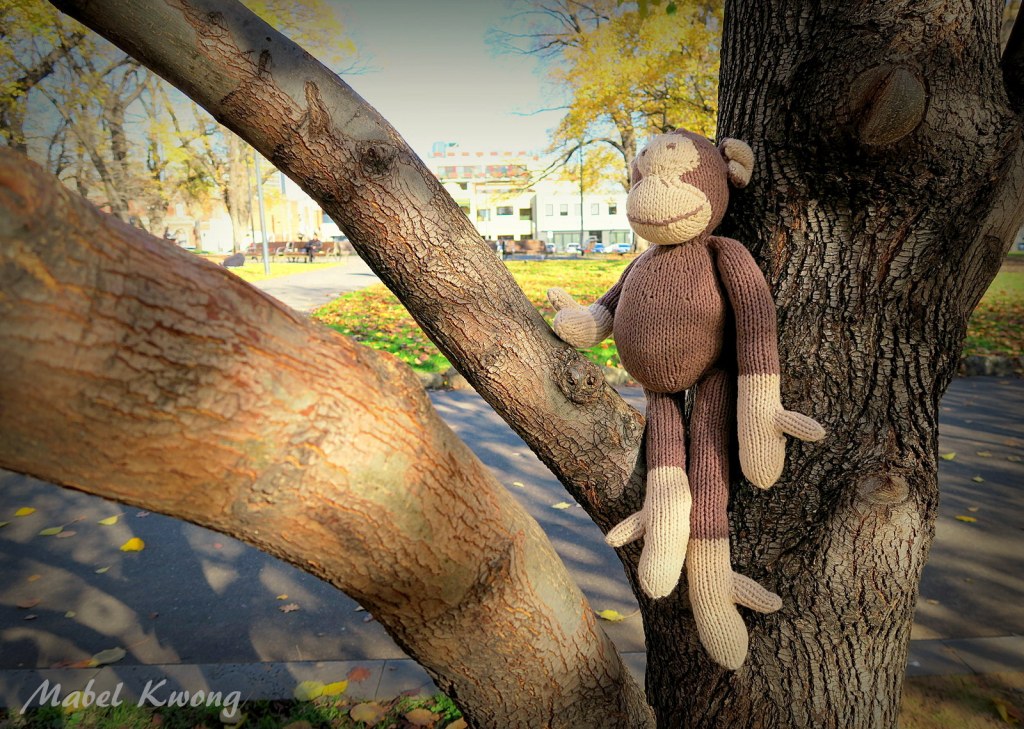
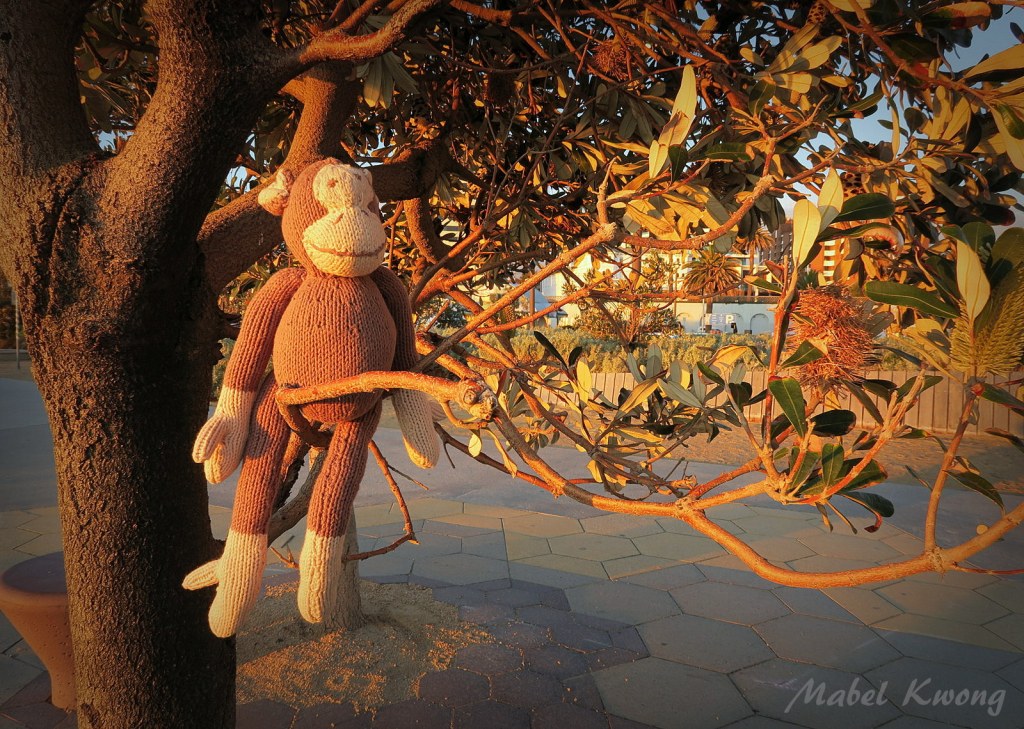
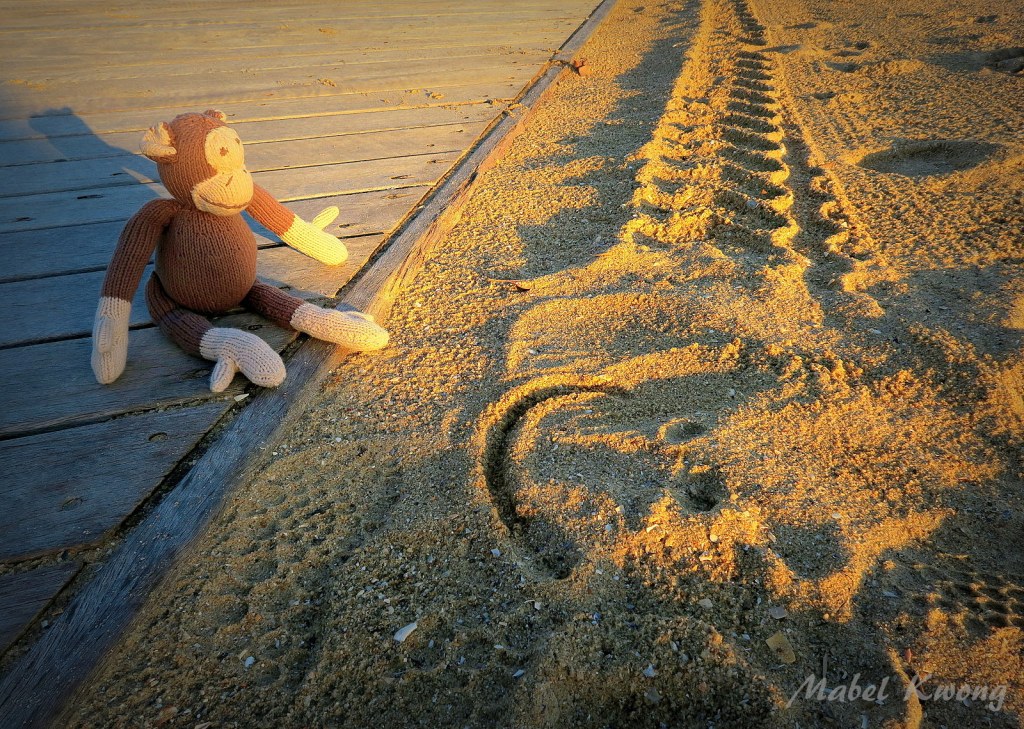
I love stuffed animals, especially stuffed monkeys. In my apartment I have a shelf full of them collected over the years. I’m particularly fond of this one that I call Mr Wobbles: knitted with light brown wool, long skinny arms and legs, fat belly, sans tail. One of the more odd-looking toys around.
We might be obsessed with teddy bears. Or obsessed with stuffed lions or penguins. Hello Kitty, Sanrio and Rilakkuma plushes are ever so popular in Asia. But no matter the toys we’re fond of, usually the stories of our past, and our desire to find our place in this world, play a part in why these inanimate objects often matter to us a great deal.
Some of us Asians like cute toys because cute has always been a big part of our culture. Cute in the sense being attractive in a delicate, dainty way, or slightly astutely shrewd in demeanour. The kawaii phenomenon has long flirted with the realms of Asian fashion, food and entertainment, with its popularity gaining traction in the 80s in Japan. These days, Chinese tourists fly thousands of miles to Australia to get their hands on lavender-stuffed fluffy purple teddy bears. Sometimes we are attracted to cute toys because they rub off on our style and personal taste – a natural accessory to the lives we live.
Mr Wobbles was a gift from someone. Some years ago my friend eagerly pushed the stuffed toy into my hand. I hesitated. Picked it up. Its head wobbled back to front, back to front. Don’t know if monkey-from-a-stranger and I will make a great pair…

Sometimes stuffed toys remind us of our younger days, times when we felt the world was at our feet. Times when we were kids playing ‘til our heart’s content. Growing up Asian often comes with burdened responsibilities: expectations to climb the career ladder, have a family, take care of the elderly parents, the list goes on. Sometimes holding onto a stuffed animal, symbolic of naïve childhood, is a silent means of escaping and rebelling against society expectations for a moment.
And so toys embody the notion of youth, a trait esteemed in Asian cultures. In line with sexist stereotypical perceptions, when someone of the female sex is seen with a stuffed toy in hand, the more innocent she may come across – which is probably why hardly anyone in patriarchal-structured Asian cities bats an eyelid at girls with a penchant for toys.
Perhaps we lust after toys because in our eyes they are prized possessions. Cute-looking toys, reminiscent of not only innocence but also purity, carry auspicious luck as some might reckon. Or perhaps claiming ownership of a toy is a pride thing. Every now and then it’s no surprise to see queues outside fast-food joints in Asia, queues for limited edition toys that come with fast-food meals. At one point in Singapore, my parents and I queued to collect the “Lucky 8” stuffed monkeys McDonalds gave away during the Chinese New Year season – and more than ten years on today, our collectible monkeys still sit in their plastic cases.
Toys make us see the world in more ways than we think. There’s always some mystery about them. Though inanimate objects, toys make us dream, wonder and imagine what could be if they could move and talk. And when we imagine, we play – be spontaneous, feel carefree. The older we get, the more responsibilities we have, but with a toy in our hands, we can learn to dance with the simplicities of life once again. As psychologist Charles E. Schaefer said:
“We are never more fully alive, more completely ourselves, or more deeply engrossed in anything, than when we are at play.”
Play is a form of art. Playing unleashes our creativity, and certain stereotypes we have about ourselves and the world fall away for a moment. When we play with toys, we are a bit more observant; we discover there’s always another perspective, another idea, another culture.
“Where did you get Mr Wobbles?” I messaged the person who gave me Mr Wobbles. “I’m not gonna tell you,” she responded for the umpteenth time. I sighed. Gift is a gift. I’ll never find out.
Perhaps stuffed animals have souls: uncanny life-like resemblance to animals. And to our individual selves, too. Soft to the touch, like how our flesh and our skin are soft to the touch, reminiscent of the fact each and every one of us, every single thing on this planet, is vulnerable. And vulnerability is often what binds us together in this big bad world. More often than not, one stuffed toy has many a fan. We imagine toys as another being, and feel that we’re not alone but all in this together along with everyone else who connects with them, regardless of colour, background and where we’re from. As author J.K. Rowing said on the power of imagination:
“Imagination is…the foundation of all invention and innovation. In its arguably most transformative and revelatory capacity, it is the power that enables us to empathize with humans whose experiences we have never shared.”
One stuffed toy can change a person. One stuffed toy can change the world in more ways than we realise. Even if just for a moment.
Do you have a stuffed toy that you love?


 Mabel Kwong
Share your thoughts. Join the discussion