
For a long time I struggled to call myself a writer. A writer in Australia. A writer and artist who is Asian Australian.
Along this journey of self-discovery, I’ve realised it’s not easy for us of Asian heritage to stand out in the Australian arts scene and accept that it’s okay to be different.
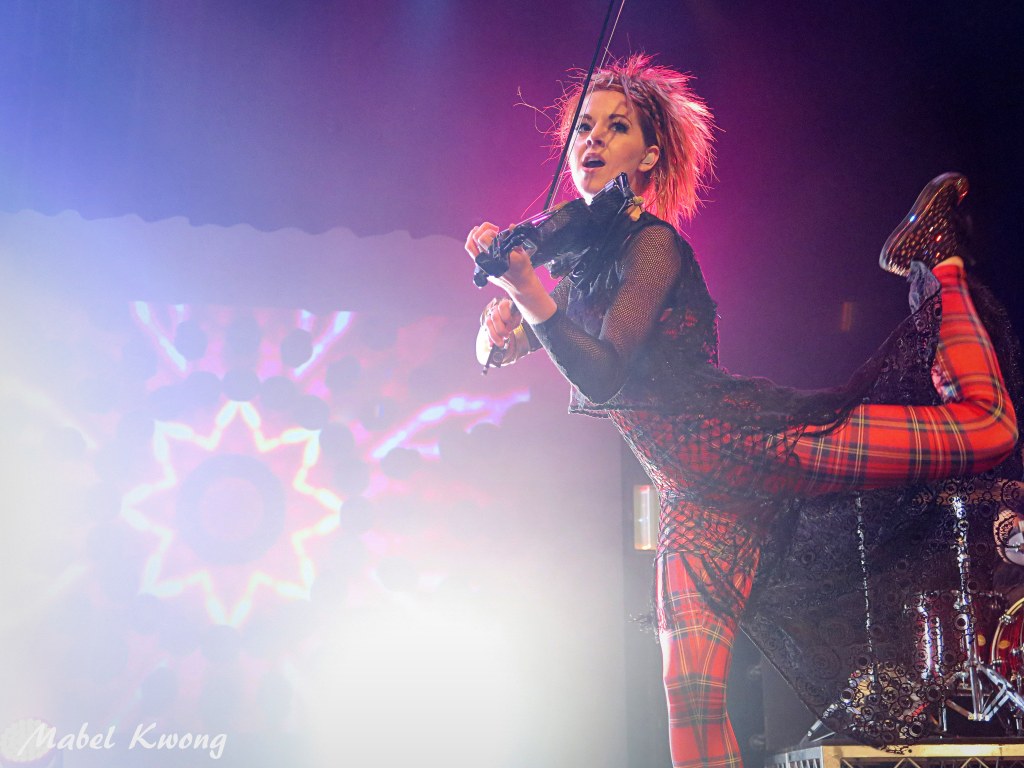
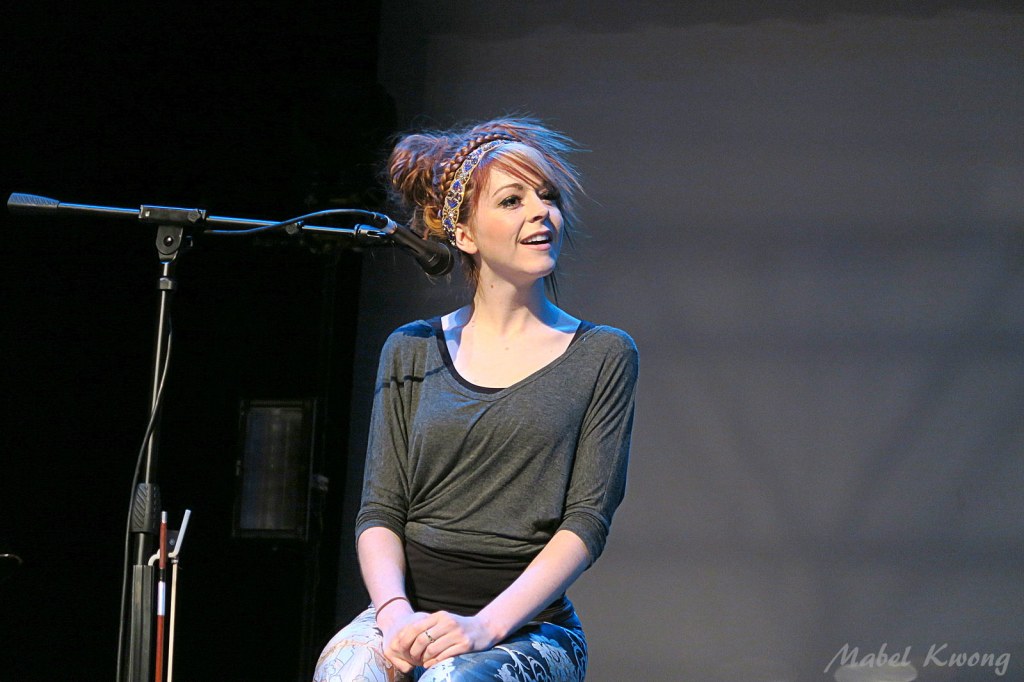
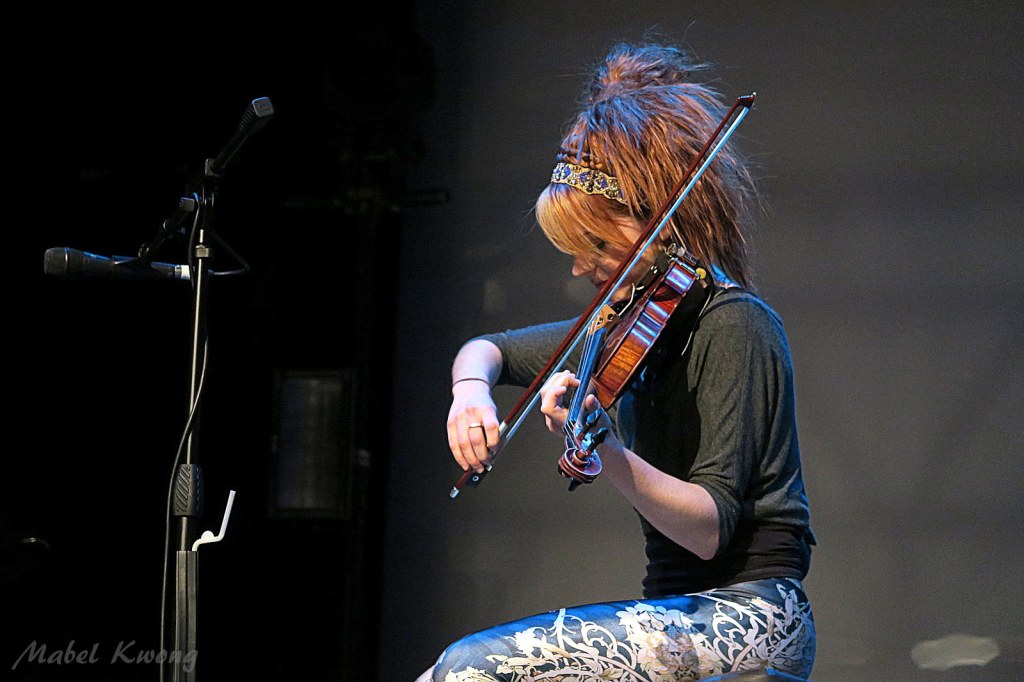
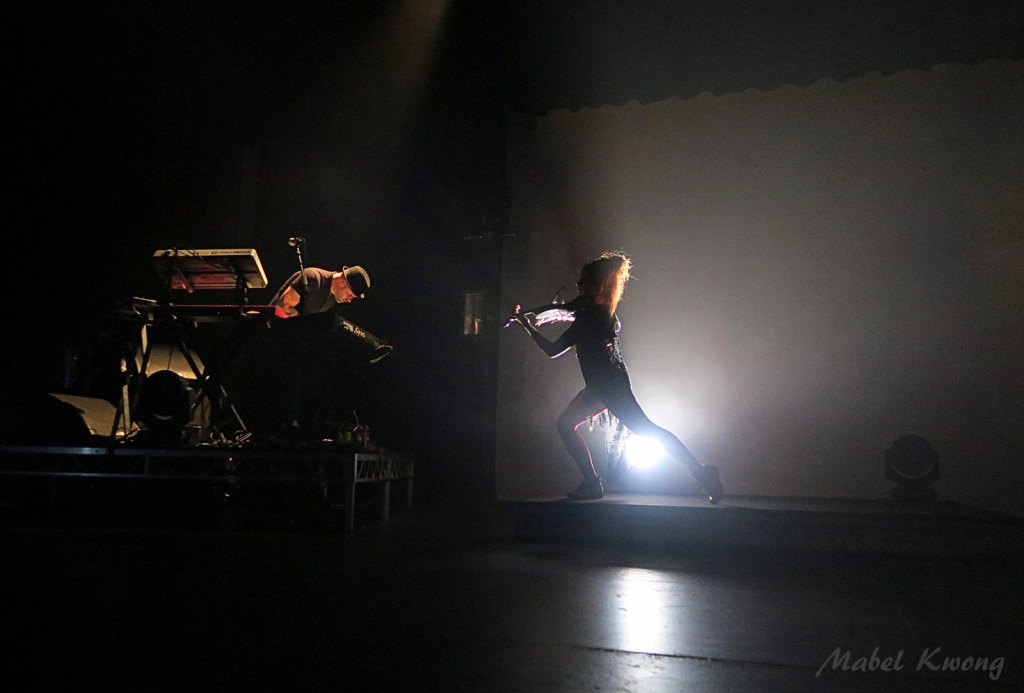
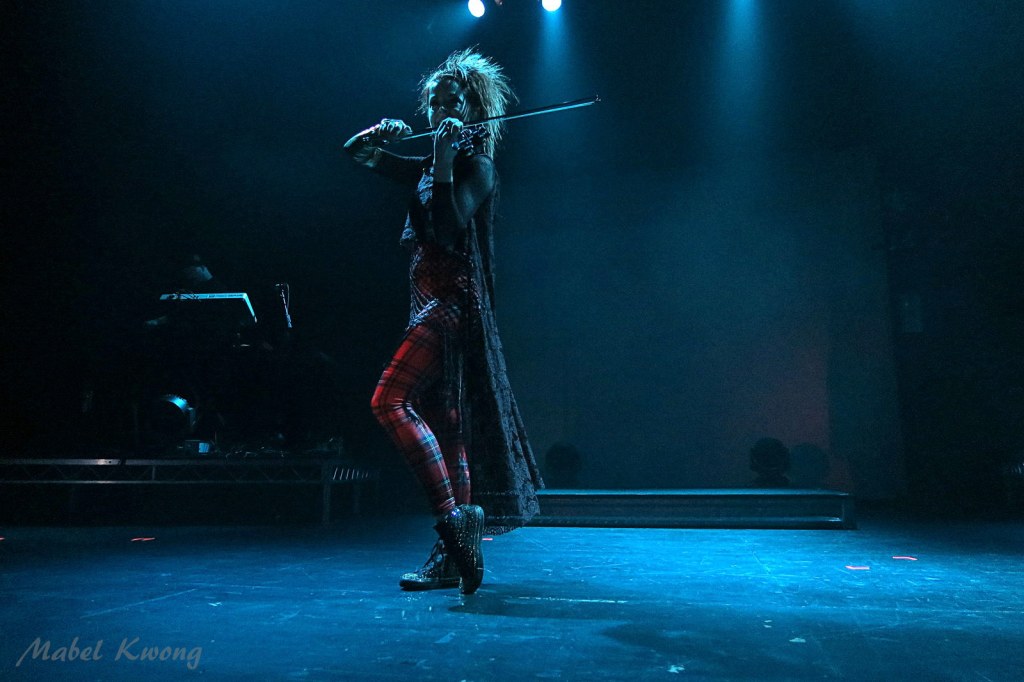
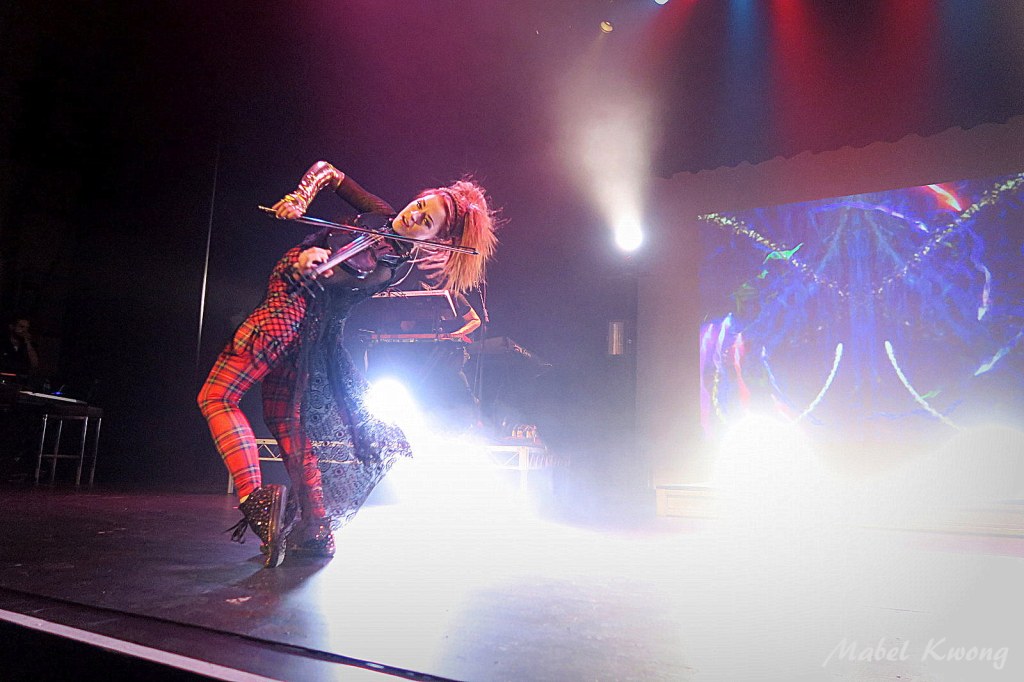
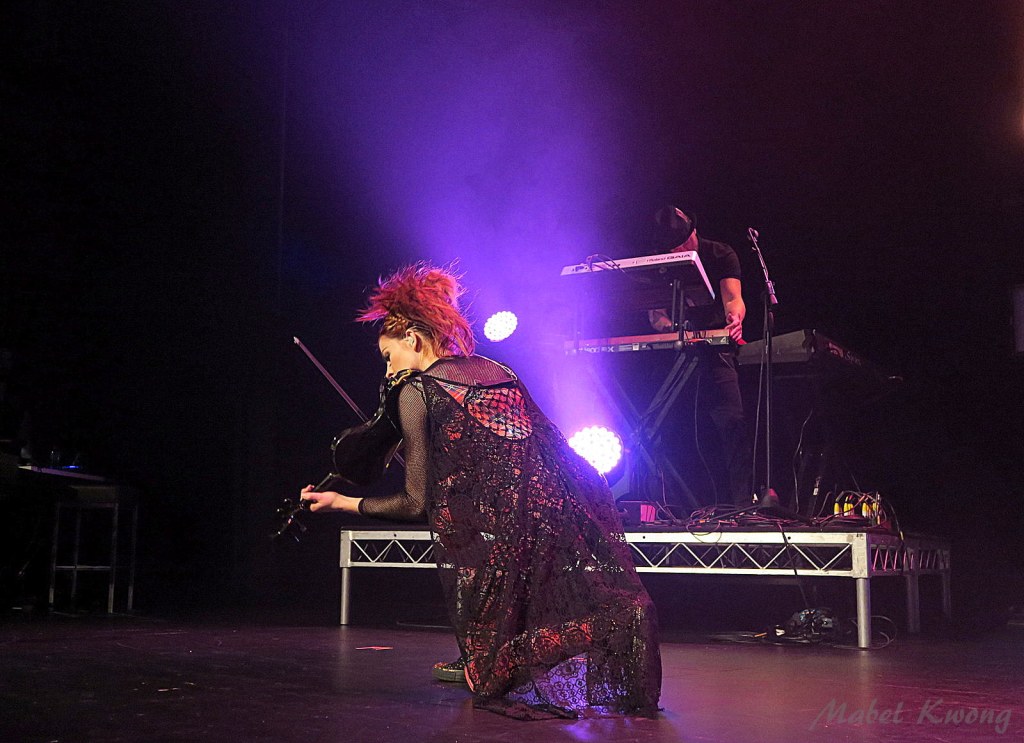
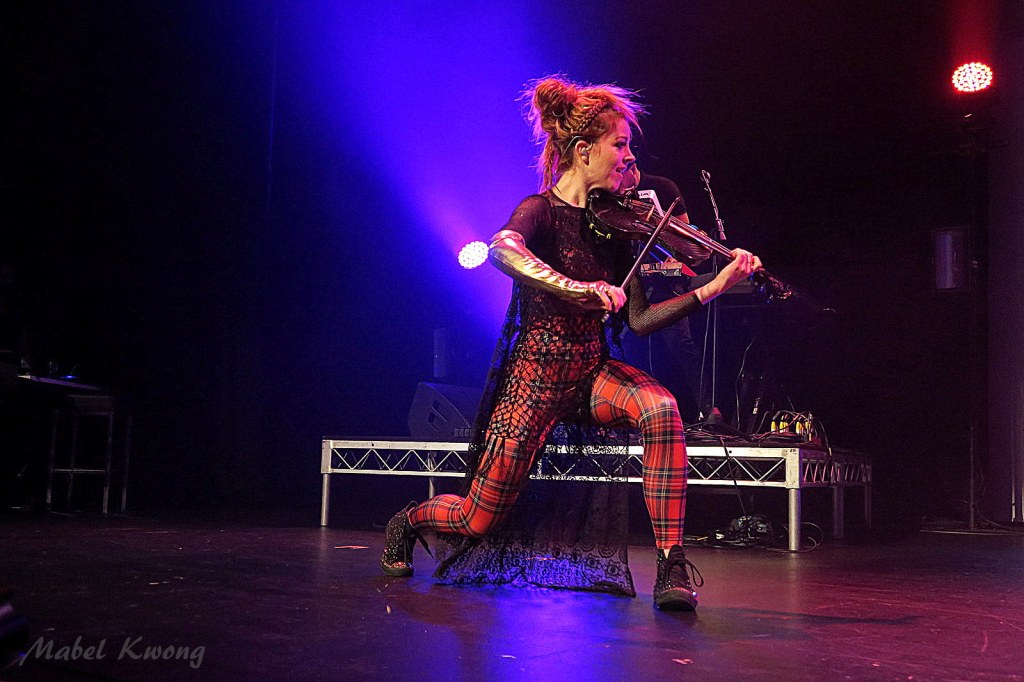
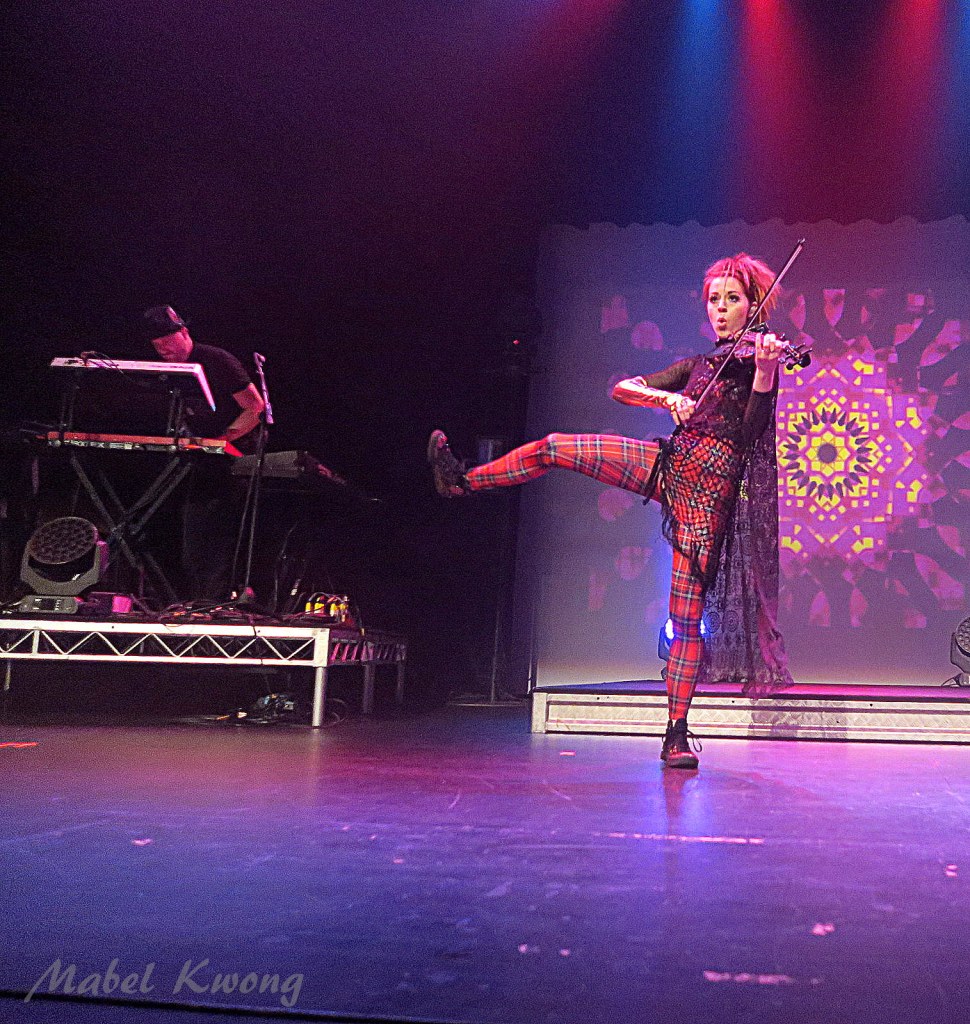
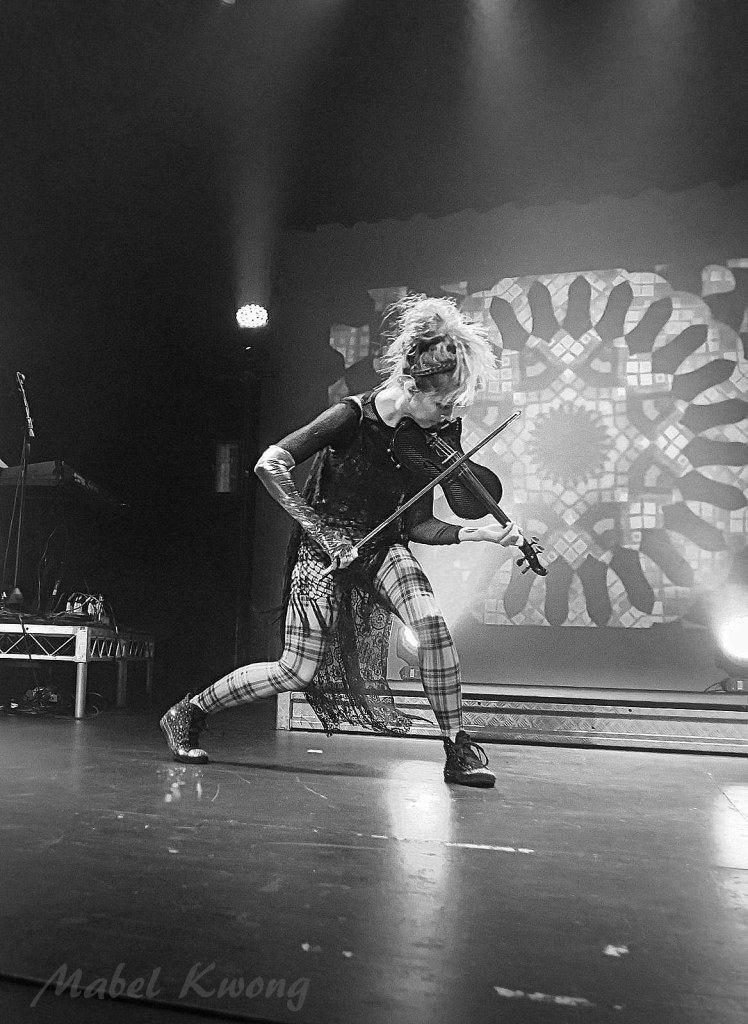
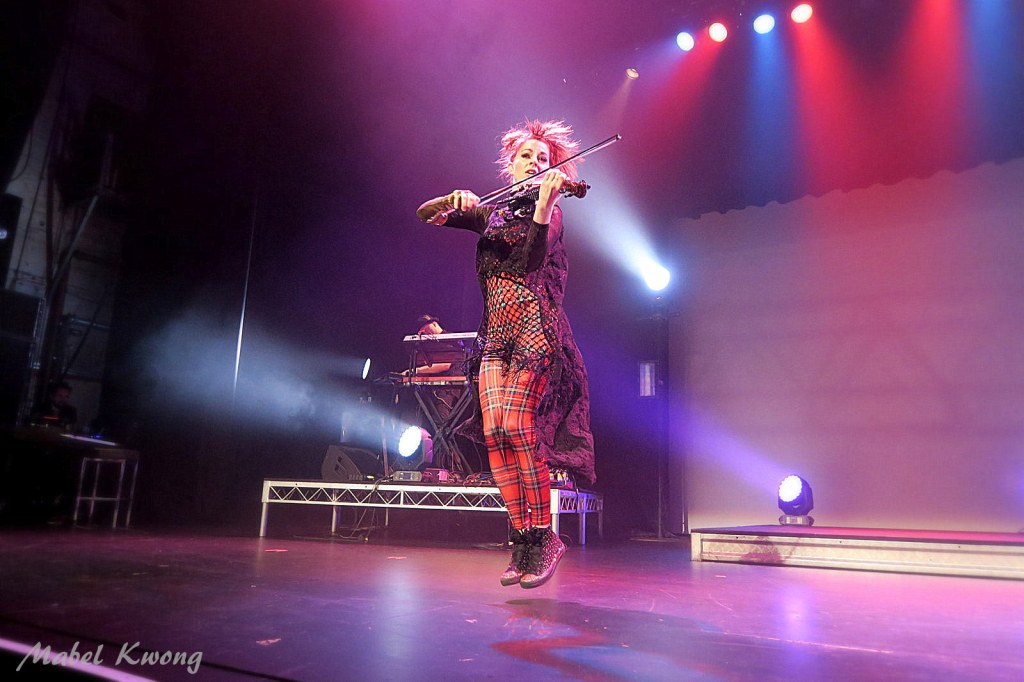
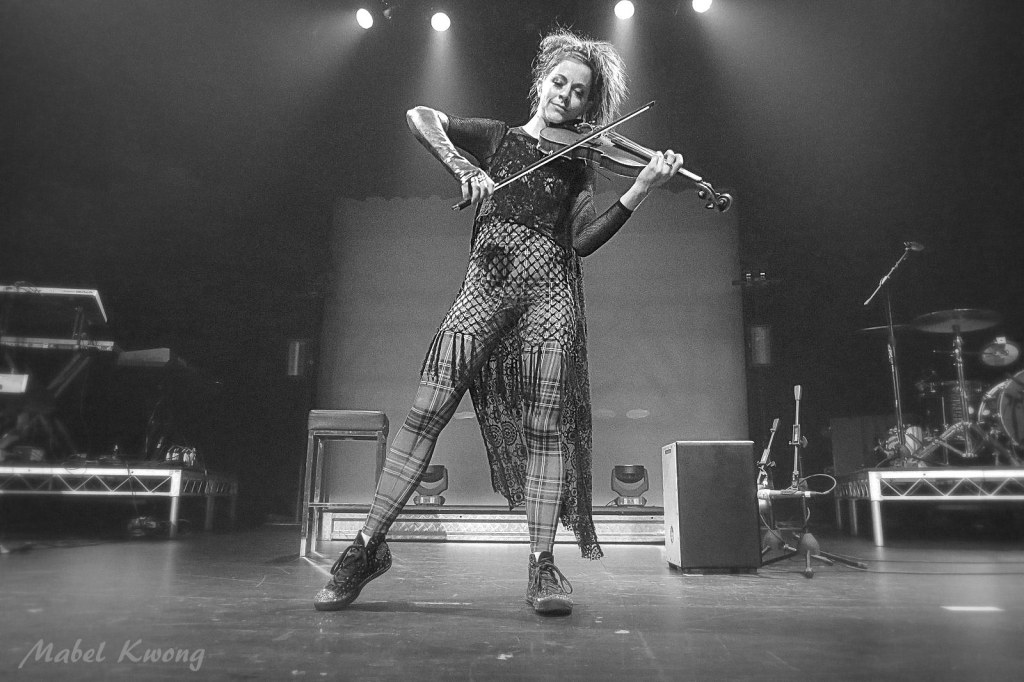
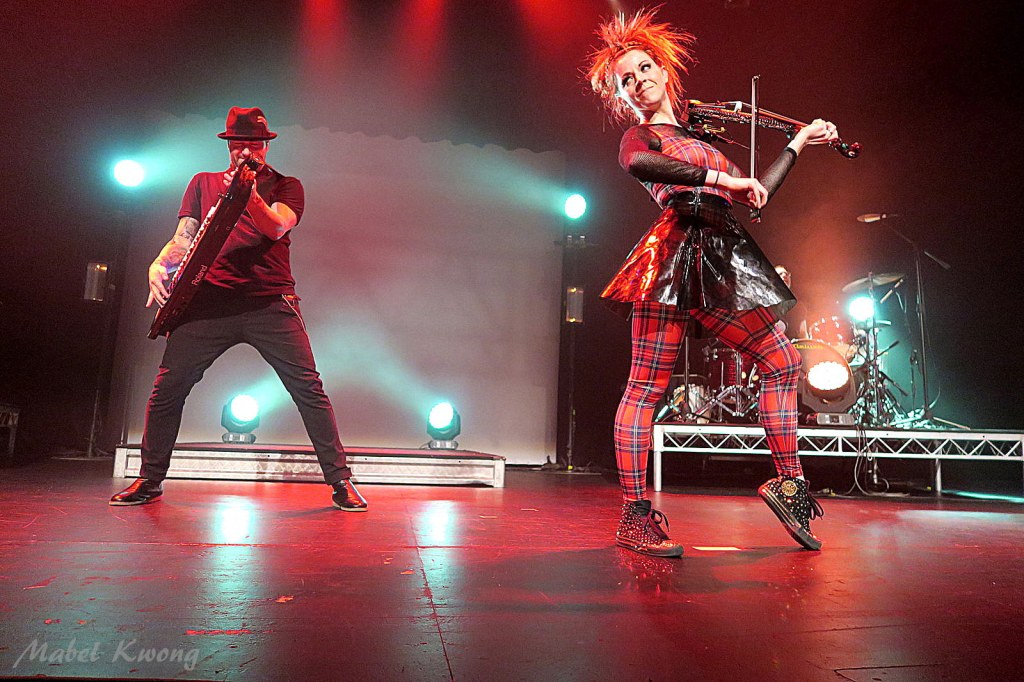
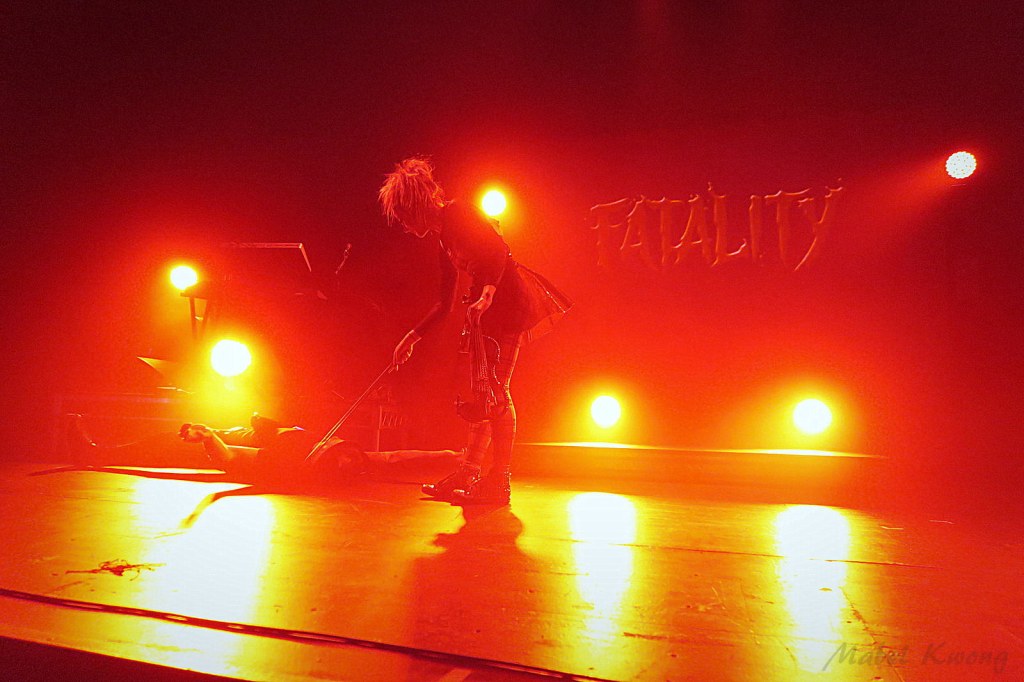
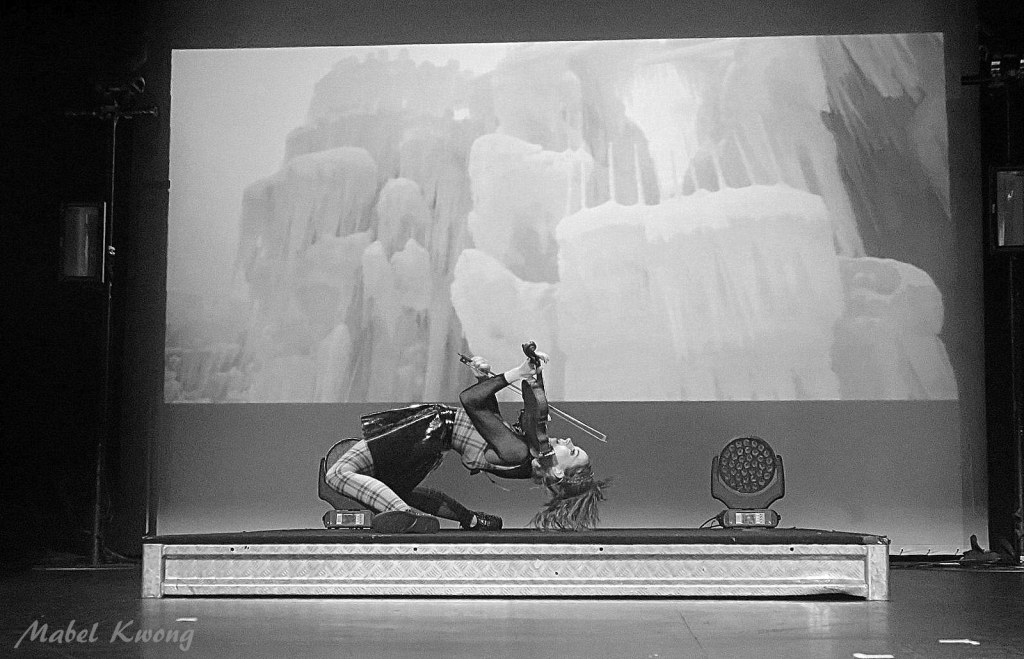
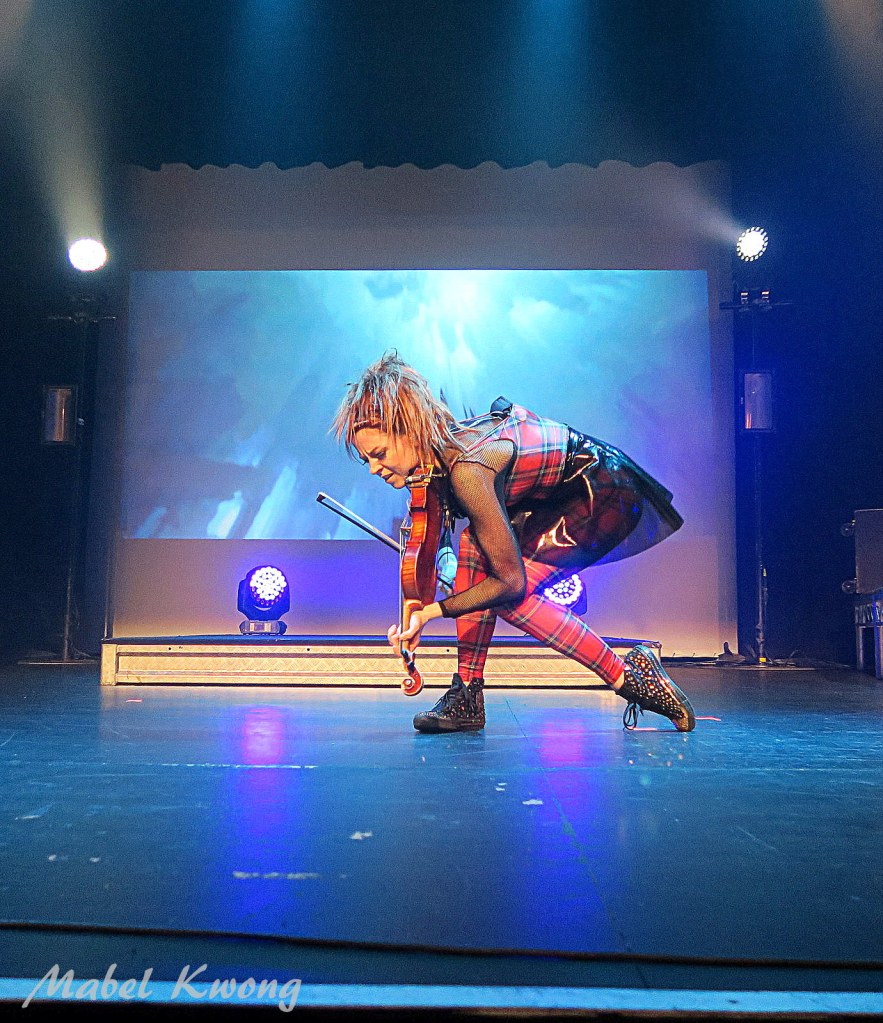
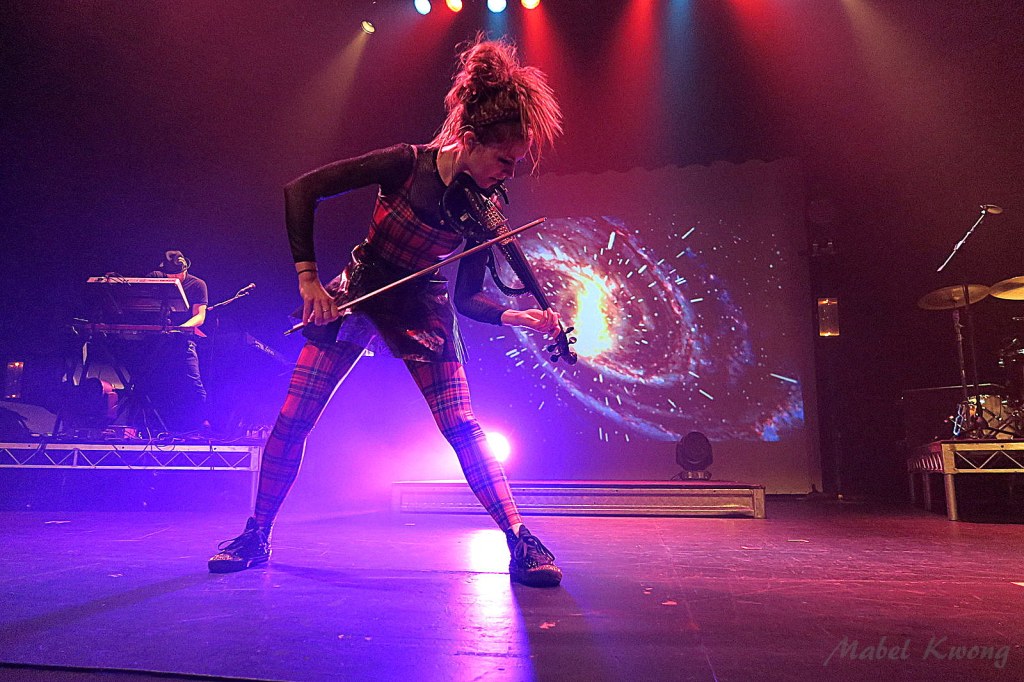
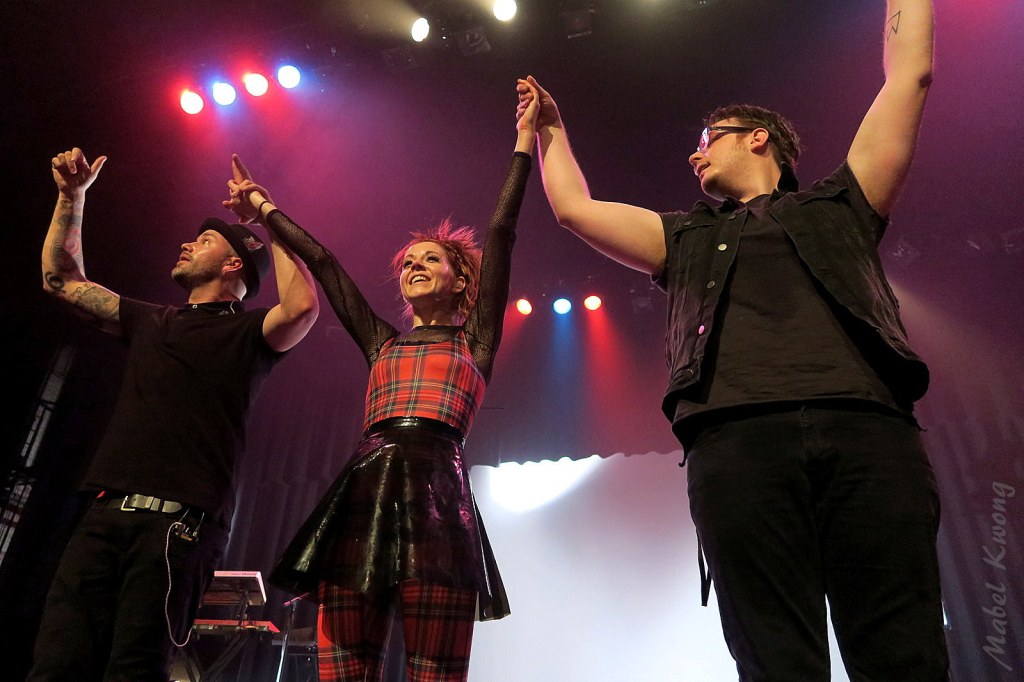
Recently, I went to dancing violinist Lindsey Stirling’s show at The Forum Melbourne. She inspires me to write. Watching Lindsey play her violin and dance at the same time to electronic beats on stage complete with a funky, flaming red up-do on her head was a sight to behold. Anything’s possible no matter where we come from, and how we look. But at what price? How do we get there?
It’s not uncommon for Asian Australians to come from “privileged” migrant families. My well-to-do Chinese-Malaysian parents gave me a roof over my head and paid for my studies up until my postgraduate studies – hard not to feel guilty. As Asian Australians, on one hand we feel obligated to give back to our families when we’re working adults. On the other, we want to be independent like our Caucasian friends without filial piety ethics tying us down.
Each day I make time to write, even if it’s just fifteen minutes. Being Asian Australian, sometimes we have to go out of our way to do what we really love while putting up with being too Asian, too Australian. As Lindsey says, balance is hard to achieve:
It’s hard for everybody. No matter how busy we are or how crazy our life is, we’re not alone in this and I think we just have to continually remind ourselves…just continuously getting back on the horse, saying no, I’m going to do this.
Many of us slave away at monotonous jobs to make a living, and it’s no wonder artistic creativity comes hard to some of us. Coupled with being typically brought up to be reserved and let others speak, expressing emotion might be alien to us. Growing up, my dad always said to me, “No crying”, when I scraped my knee at the playground and my mum, “Keep quiet, listen to the teacher”, when she dropped me off at school – I grew up thinking showing emotion was dishonourable.
Writers put stories and feelings in words, more or less in black and white. When I first started writing many years ago, words didn’t comes naturally to me, my stories nothing but lifeless descriptions. But the more I kept focusing on making each sentence sing with feeling, the more I realised it wasn’t the end of the world putting my sentiments in words. Being Asian Australian, we have to forget about being Asian – or put behind what we’ve always known – for two seconds and just be a person to chase that creative dream of ours. On finding success, Lindsey offers:
[You’re] going to have to experience the downward slope and that’s the only way you’re going to be ready when the success comes. You have to go through those experiences and prove to yourself first that you believe in yourself and that you can make it.
Even if we’re outspoken and creativity comes naturally to us, we need to face the fact Anglo voices saturate Australian mainstream media while minority voices discriminated. There’s still the stereotype that if we’re non-Anglo, we’re familiar with nothing else but ethnic issues; it seems amazing prominent Asian Australian writers like Alice Pung and Benjamin Law are best known for their stories about their heritage.
Writing about multiculturalism a lot, I’ve pigeonholed myself into this stereotype. But I enjoy it: there’s so much to learn about cultures around us and stereotypes have their importance. As Asian Australian artists, we have to come to terms with living the best of being both stereotypically Asian and stereotypically Australian, in the face of naysayers.

Sometimes we don’t get taken seriously for our craft and maybe ourselves struggle to take ourselves seriously as artists. These days I usually write about multiculturalism from lifestyle angles complete with personal anecdotes – the kind of writing many call “fluff” compared to similar-themed articles in the media heavily referencing research and interview snippets, written by notable figures. But no matter who we are, we all have something to contribute and being popular isn’t a means to an end (it has been nice getting a few comments from around the world on my blog, though). As Lindsey puts it:
Act in a way you would be proud of even if the whole world was watching, because your example could mean the world to just one person. It is the ‘small’ people who really do change the world.
As Asian Australian artists, we need to realise culture and society expectations needn’t be barriers to being successful at what we do. When I stopped comparing myself with my friends who are climbing the corporate ladder in science, it was when I felt comfortable with myself. The more we’re comfortable with who we are, the more we can make a difference. As Lindsey says:
You can’t love someone else unless you first love yourself. And that’s what makes life worth living – is being able to love other people.
I got to meet Lindsey during the Meet-and-Greet before her show. When I walked up to her, she hugged me. “I forgot to tell you something the last time I met you. You inspire me to be a writer…I’m writing my first book. Thank you”. She asked, “Is it fiction?”, looking stunned. Artist to artist. Dreamer to dreamer.
No matter what our background, confidence comes from having self-worth, which comes from being positive. And being positive comes from accepting who we are.
What is your passion and do you do it today?





 Mabel Kwong
Leave a reply to Alka Girdhar Cancel reply