
I’ve never been one for celebrating my birthday. The last time I blew out candles on a cake and had Happy Birthday sung to me was in high school. It has been a few years.
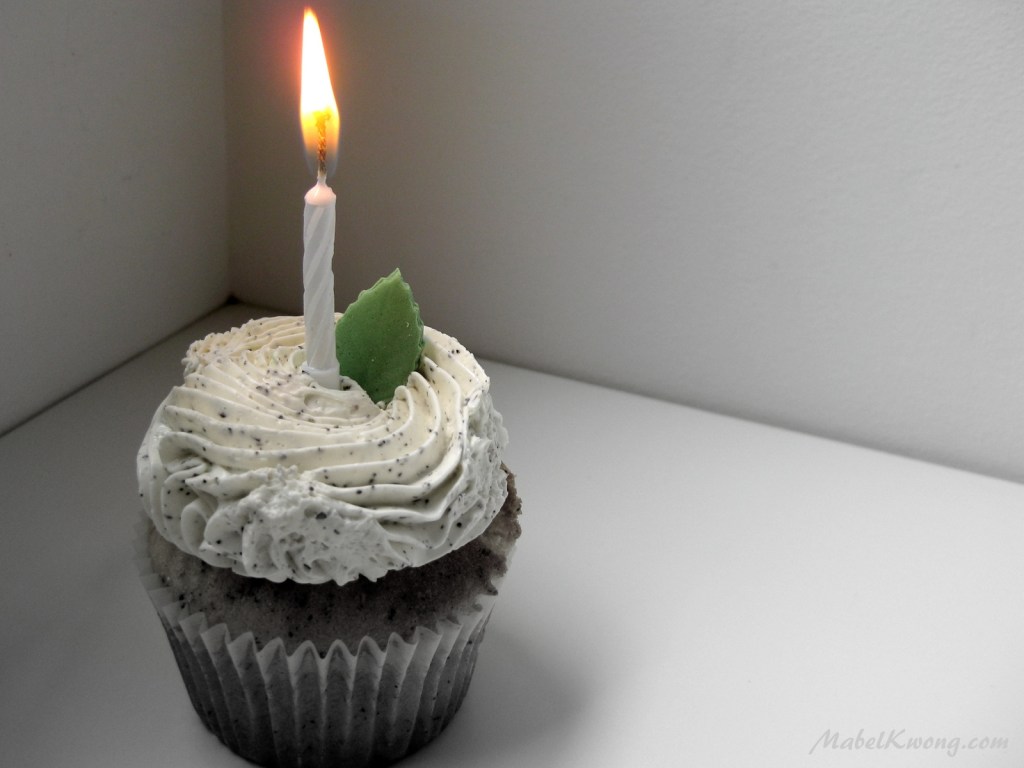
When my birthday rolls around each year, I insist on having an ordinary day and my friends baulk at this. To them, birthdays should be a time when you have a good party. Or a time when you stick by fanfare-esque birthday traditions.
Both of these are quite alien to me. Have I lost touch with my Asian roots when it comes to birthday traditions and the spirit of celebration altogether?
In Chinese culture, red hard boiled eggs and noodles are often served to the birthday person on their special day, particularly to one month old babies. These crimson coloured eggs are symbolic of prosperity – “roundness” equating to happiness – and noodles long life. On one of my past birthdays, an international student friend asked me, “Are you going to eat an egg today?” I replied with a confused “No”. Never done so on my birthday. My parents never enlightened me about it.
Then there is the instance of having two birthdays in a year for some Asians. Many Chinese follow the Lunar calendar which doesn’t match up with the Western Gregorian calendar; they can choose which day to celebrate their birthday. Lunar calendar dates change each year and honestly, I’ve always been befuddled over my exact lunar birthday dates.
As part of Chinese-Malaysian birthday celebrations, money-filled red packets are given as presents to the birthday person. I feel embarrassed accepting them from my parents each year mainly because I like working for my money. On the subject of gift-giving, I begged my parents to buy me a clock in the shape of a frog for my eighth birthday. They grudgingly relented – a clock is an unlucky birthday present in our culture. Once again, my ignorance towards my heritage clearly on display.
Western birthdays are something else altogether (interesting list of birthday celebrations around the world here). Growing up as an Asian Australian kid in Melbourne, I went to birthday parties thrown by my Caucasian classmates: barbeques, dress-ups, Fairy Bread aplenty. We played hide and seek and although I had fun, I noticed my Anglo classmates keenly played in racial clusters of their own. With cat whiskers painted on my face, I almost, just almost felt like a “normal” kid, not an Asian kid, at these shindigs – in costume. I felt the same way during my sixth Aussie-styled birthday party with lamingtons, ice popsicles and lonesome hide-and-seek.
Maybe these memories are partly why I don’t warm towards celebrating my birthday and finding out the Asian-side of it. Then again, I’m shy and introverted, not a fan of social occasions involving more than five people. Birthdays are a time when attention is pretty much focused squarely on us. And that’s something I’m very uncomfortable with. What exactly are we supposed to do when people sing us Happy Birthday?
Birthdays carry universal meanings across cultures. A birthday is a celebration of life and age. Commemoration of birth. A window to a chance of a lifetime. It’s a milestone signifying how far we’ve come, what we’ve achieved and what else we’re capable of. A time to reflect on who we are.
So am I really too “white” in the context of celebrating birthdays? Seems that way. But it’s unfair to assume we understand and connect with our culture the moment we’re born. We’re all brought up differently, some of us exposed to our heritage and mother tongue more than others and some less. We’re all different, just as each of us likes to celebrate our birthday in our own way. We all learn as we grow. Writing this post, I’ve touched base with my culture once again.
What am I doing today? Nothing too fancy. Donating money to a charity as I do each year on this day is the most exciting thing I can think of.
How do you celebrate your birthday? Do you follow birthday traditions?


 Mabel Kwong
Share your thoughts. Join the discussion