
I love eating street food. Satay. Corn on the cob. Hot dogs. Takoyaki. Ramli burger. You name it.
I’m sure I’m not the only one who does. There are always endless queues for street food at food festivals that pop up every now and then around Melbourne.
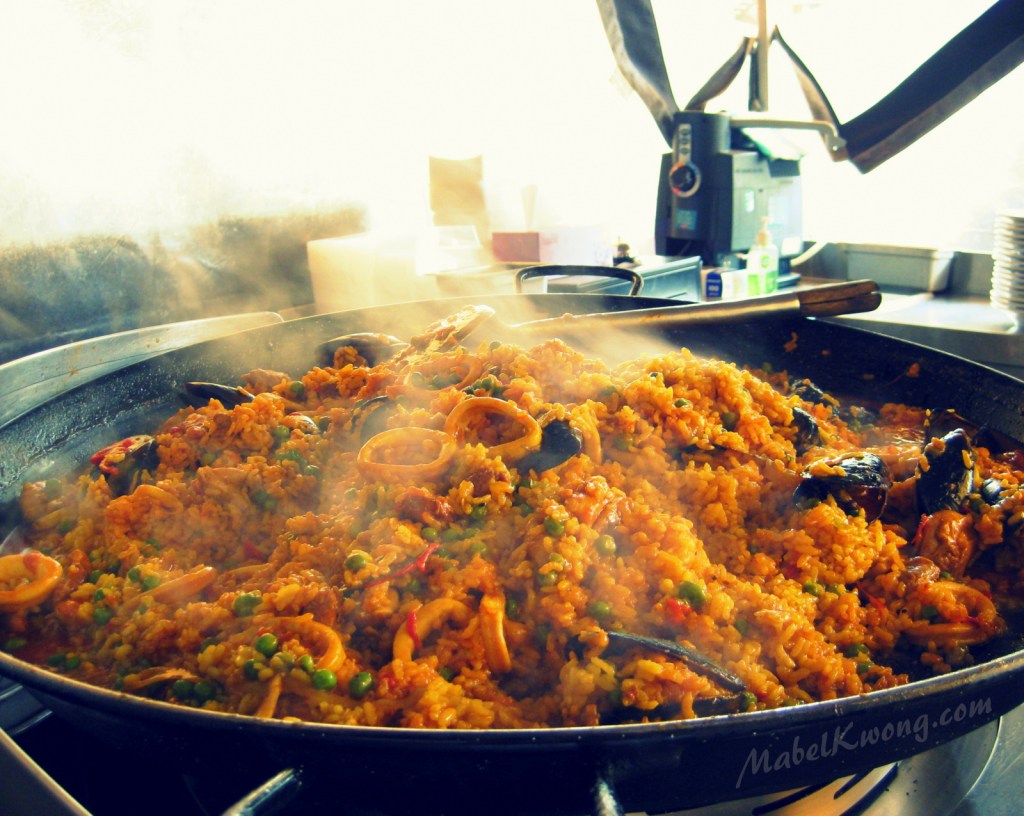
Though we can find street food in restaurants, most of the time we think of it as cuisine cooked at a market. A bazaar. Chinatown. Pasar malams. Mamak stalls. In short, street food is food cooked and served outdoors.
Having eaten at countless outdoor food stalls and hawker centres in Asia, the undesirable atmospheric elements of the street-eating experience are now permanently etched in my head. For instance, along Malaysia’s Petaling Street and Hong Kong’s Mong Kok, it’s common to find street food prepared right beside damp, mosquito-infested gutters and congested roads. Good chances of dirty-legged flies and deadly motor fumes sticking to your food.
Secondly, food and utensil handling standards may not necessarily be up to scratch around street food vendors. Street side chefs handle ingredients with their bare hands. Sometimes only a tiny sink gets fitted with these vendors, barely big enough to fit more than a few dirty dishes. “Once-or-twice-rinse-and-its-clean buckets” filled with soapy water are often substitutes for kitchen sinks to wash cutlery.
Reusing oil and sauces is nothing new with many street food stalls. Once I ordered two different kinds of Cantonese kong foo chow noodles from a KL roadside stall. I watched the chef cook one ring of noodles in an oily wok and scoop it out…then cooked my next order in the same unwashed wok brimming with eggy sauce. Both dishes tasted great, though.
I’m sure sometimes we can’t help but wonder: when is street food safe to eat? Some have argued food cooked in a makeshift kitchen outdoors is safer to eat than KFC because we can actually see street food cooked in front of us over a hot, fiery flame.
Personally I reckon this argument is rubbish: the kitchen is almost always hidden from our eyes in so many restaurants. Dining in restaurants, whether our favourite dishes were cooked over a flame is the last thing on our minds as we gobble them down and walk away with painless, full stomachs. But choosing hot, well-cooked street food like piping hot dumplings might be a better option over something cold or raw like tau huay – heat kills germs in food.
Food stalls that look clean and appear to practice hygienic food handling techniques should serve decently-prepared street food. In Singapore, food outlets in hawker centres are advised to display graded hygiene certificates outside their stalls. I’ve never fallen ill eating at such stalls with “A” and “B” grades, even though there are “rinsing-buckets” in front of these stalls.
Naturally, if there are queues at a particular street food outlet for days or nights on end, it’s bound to be popular with locals and so chances are what it serves should go down well on the stomach. If someone did ate dodgy food from it, then word-of-mouth of this should go round fast.
Rarely have I eaten street food that didn’t agree with me. Two years ago in Malaysia, my mum bought some tau huay in Petaling Street and forced me to have a few bites of the sweet tofu-like Chinese dessert. I did and ten minutes later ran to the toilet. That didn’t put me off eating cold street food. I still eagerly fork out dollar coins for on-the-spot squeezed sugar cane juice and ice kacang when I’m back in Malaysia or Singapore.
Do you like eating street food? Do you avoid eating food cooked by the side of the road?


Share your thoughts. Join the discussion