
Bubble tea stores have mushroomed all around Australia over the last few years. Melbourne’s Swanston Street in the CBD is peppered with bubble tea franchises such as ChaTime, EasyWay and Gong Cha. Whenever I pass by these stores, I often see hordes of people, mostly Asians, queuing up here and waiting for their drinks.
Tons of my Australia-based and international student friends from Malaysia and Singapore are absolutely ga-ga over bubble tea and consume it at least once a week.
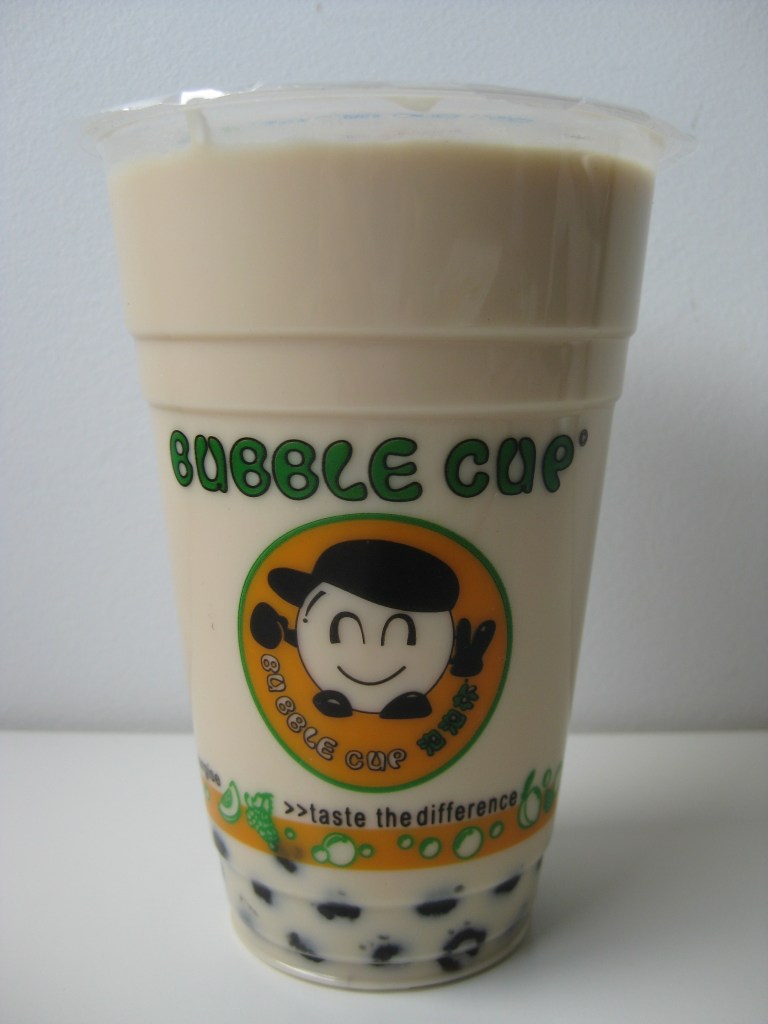
So just what is the fuss about bubble tea? Why is it so popular, especially among the Asian crowd not just in Australia, but in Western countries in general?
Bubble tea is a drink that contains milk or tea, or both. Originating from Taiwan, bubble tea can either be milk-based or tea-based – that is a drink consisting either of milk and tea or just tea. Flavours and syrups are often added along with condiments such as the ever popular tapioca pearls (black chewy jelly-like balls also known as boba) and bite-sized pieces of jelly. Most stores have “sweetness level” options where customers can choose how sweet they want their bubble tea drink to taste.
Bubble tea is a rather filling sweet beverage and this is what arguably makes it appealing to many of Asian ethnicity. Desserts and sweet treats/drinks are all the rage in Asia. For instance, sweet dessert cakes kuih muih made of rice or tapioca flour and pink rose-cordial drink bandung are immensely popular with all races in Malaysia and Indonesia. In South-East Asia, tangyuan or glutinous rice balls floating in ginger-sugar syrup and sugar-infested cincau or grass jelly soy-milk beverages are much loved among the Chinese. As a saccharinely sweet drink created in Taiwan, bubble tea is naturally another option to satisfy the Asian sweet tooth.
Secondly, this popular drink is relatively easy to make, making it even more popular with Asians. All bubble tea makers need to do is mix milk and/or tea with flavoured powdered in a blender and serve it to customers in a heat-sealed cup – which only takes five minutes tops.
And which Asian person does not like a quick fix meal or drink when they are hungry or thirsty? Fast-preparing hawker fare is sought after by many in Asia from dusk to dawn. Bubble tea is in the same league as hawker-style fry-ups, albeit in drink form: easy to prepare and casual enough to consume any time of the day.
Thirdly, there has always been a strong “milk-and-tea culture” in Asia, and this can definitely explain why bubble tea is a hit among many Asians. (Condensed) milk combined with tea and vice-versa drinks are often drunk by many Asians especially for breakfast and in South-East Asian coffee shops. For instance, teh oh (sweetened tea without milk) and teh si (tea with evaporated milk and sugar) are staples for breakfast and morning tea for both young and old Asians. These are traditional milk-tea drinks that have been around for decades, and bubble tea can be seen as the modern variant of much savoured milk-tea beverages.
In addition, more and more bubble tea stores are placing tables and chairs inside or outside their stores, most likely to entice bubble tea fanatics to sit and have a chat over their favourite taro milk teas or pearl milk teas. Many Asians love getting together and chatting – collective membership and togetherness is extremely valued in Asian cultures. It only apt this group warms towards gathering and relaxing over some bubble tea in cozy ambiances at bubble tea cafes.

Interestingly enough, Caucasian Australians do not seem to take a liking towards bubble tea and see it as a foreign beverage, at least those whom I have spoken to. I have heard many of them express puzzlement and ridicule the “sweetness level” for bubble tea drinks. I have also heard a number of them express their disgust towards tapioca balls. Perhaps bubble tea and their funky flavours and condiments are simply too adventurous for the typically bland Western palate, explaining this hostility.
So, when will we in Australia get tired of drinking bubble tea? As mentioned, bubble tea appeals to a niche market in Australia, specifically Asian-Australians and international students from Asia. The proportion of Asians born in Australia have increased significantly over the past decade. 80% of international students are from Asia and this is expected to increase in the coming years.
Recently over the Easter long-weekend holiday, a time when many Caucasian Australians were out of town, I took a stroll down Melbourne’s city. Lo and behold many bubble tea stores open and I saw many Asian people – Asians who love heading out on public holidays – lining up patiently to place their orders.
Bubble tea shops are indeed catering to their Asian customers who in turn are lapping up the popular drink all year round.
So perhaps bubble tea will prove popular for at least a little while longer Down Under.


 Mabel Kwong
Leave a reply to redearthbluesky Cancel reply