
It’s customary to take your shoes off at home in many parts of the world.
For instance, in many Asian households it’s often shoes off at the door. There’s also a no shoes rule when walking around indoors at home.
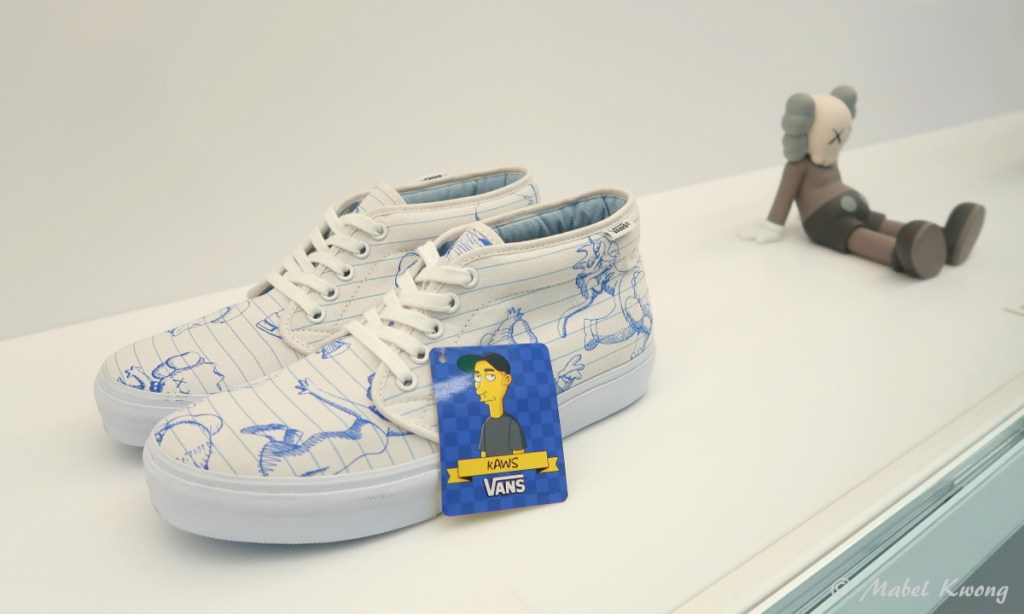
Having grown up in a Chinese household, this is a habit that comes naturally to me. As a kid, I’d come home, take my shoes off and place them on the shoe rack by the door. Today this is still what I do every time I come home.
As I wrote in Hi I’m Asian. Come In, Leave Your Shoes On. Or Not seven years ago, there are hygiene, practical and logical reasons for not wearing shoes at home. It’s not only out of habit some people choose to go shoe-less at home, but it’s a conscientious choice as well.
Revisiting this topic in more depth, here are some reasons to go shoe-less at home, reasons based on cultural background and personal preferences.
1. Keeping a clean house
When you go about your day outside, your shoes tread on rough concrete paths, slippery public toilet floors, rain-soaked mud and greasy food court floor. You step on anything and everything in between when you’re out – no doubt your shoes pick up dirt, grime and bacteria.
Taking off your shoes at the door means you don’t drag the dirt, grime and bacteria underneath your footwear around the house. A study by microbiologist Charles Gerba found there is an average of 421,000 units of bacteria on the outsides of shoes. The bacteria e colli, which causes diarrhoea, is often found on the bottom of shoes.
More recently, a small study in China found traces of the novel coronavirus (COVID-19) on the bottom of medical workers’ shoes. Similarly another study found the coronavirus can remain on surfaces for hours. So what you picked up from outside with your shoes can be contagious at home.
In households in Japan, eating on tatami floors and sleeping on futons is common. Naturally there is a need to keep floors at home as clean as possible. Naturally no shoes at home helps keep the house clean for longer, and less cleaning needed too.

2. Respect
It’s a mark of respect in many Asian, Indian and Middle Eastern cultures to take your shoes off at home. Many modern Asian houses are constructed slightly raised. Usually there is a step or two leading up to the main entrance, inviting one to physically and psychologically ‘(step) up to a different level’. Leaving your shoes at the door in Asian cultures signifies you are willing to honour the codes of someone’s private homely space.
It’s also customary to take shoes off before entering religious places such as temples and mosques. Hindus see wearing shoes in places of worship as impure and consider shoes off as a means of honouring a home’s cleanliness and purity.
In some Chinese homes you can find an altar where one pays respects to their ancestors or deities. It’s shoes off before praying be it at a temple or at home. It’s believed holy spaces channel cosmic energy and this energy is interchanged within the body and ‘earthed’ when one goes barefoot.
3. Comfort
Sometimes it’s more comfortable going barefoot at home. You might choose to wear uncomfortable footwear all day and go barefoot when you get home.
Many Asian countries above the equator experience tropical, humid weather most of the year. Hot climate leads to sweaty feet. So it makes sense to let your feet be free and relaxed at home in warm weather.

4. Health benefits
There are some health benefits going barefoot at home. Feet tend to swell as the day goes on and shoes are usually a tighter fit in the evening. Shoes that are too tight can cause structural issues such as bunions and blisters.
Taking off shoes at home not only relaxes your feet but enhances its natural mobility. A study on going barefoot versus wearing common footwear found habitual barefoot walkers showed lower peak plantar pressure while the latter group exhibited reduced forefoot spreading.
In Chinese culture, reflexology has been practiced for over 5000 years and is believed to have health perks such as improving blood circulation. Some Chinese believe going barefoot stimulates the feet’s pressure points in line with reflexology.
5. Less damage
Some kind of footwear are more likely to cause damage to floorboards, tiles and carpet at home. High heels or stiletto heels are especially damaging to hardwood flooring, with a person’s weight concentrated on a small point of footwear – making permanent dents on the floor.
Grooves underneath sport shoes or runners often pick up lose gravel or mud, which can scrape your floors and leave stains on carpets. That can warrant replacing flooring which costs a fair bit, and many can’t afford replacing that every year or so.
6. Noise pollution
If you live in an apartment, wearing shoes at home might be annoying to your downstairs neighbours. It could sound like heavy stomping to those living below.
Poor insulation within the apartment building can sometimes be partly to blame. Perhaps it’s best to take off shoes in apartments.

* * *
While you may choose not to wear outdoor footwear at home, that doesn’t mean you want to go barefoot all the time. You might choose to wear indoor footwear such as slippers during winter to keep your feet warm.
I can attest to that and wear socks when the nights get less than 10’C in Melbourne. On the coldest winter nights here, it’s biting cold. The winter chill hugging your feet as you stand on carpet is one thing, and the chill rising up your feet as you stand on tiles is another thing altogether.
If you have chronic foot conditions such as plantar fasciitis, orthopaedic indoor footwear might be needed. No point in going barefoot if being barefoot hurts your feet – proper heel and arch support is always needed both outdoors and at home.

Consequently not taking off shoes at home is arguably not all that bad. Food microbiologist Donald W. Schaffner suggests bacteria-caked shoes are low health hazards compared to other household hazards such as salmonella. Paediatrics professor Dr Aaron E. Carroll mentions we normally don’t wash our dog’s paws each time it comes home. Also, in his book Dirt Is Good, Jack Gilbert proposes exposure to dirt may help stimulate kids’ immune systems and make them stronger.
Occasionally I’ve been guilty of stepping around the house in shoes. I’d snooze a few too many times in the morning, get ready in record time and rush out the door for work…only to wonder if I turned off my hair straightener. Back indoors I go, wondering if I’ll be late for work, pause for a split second and then stampede over the carpet with shoes on to check on the heated hair straightener.
When tradespeople come over for household repairs, it makes sense for them to keep their footwear on. That’s because broken appliances, hammers and sharp tools lying around can be hazard zones – better to have feet protected than not for them to do their job. This I don’t mind.
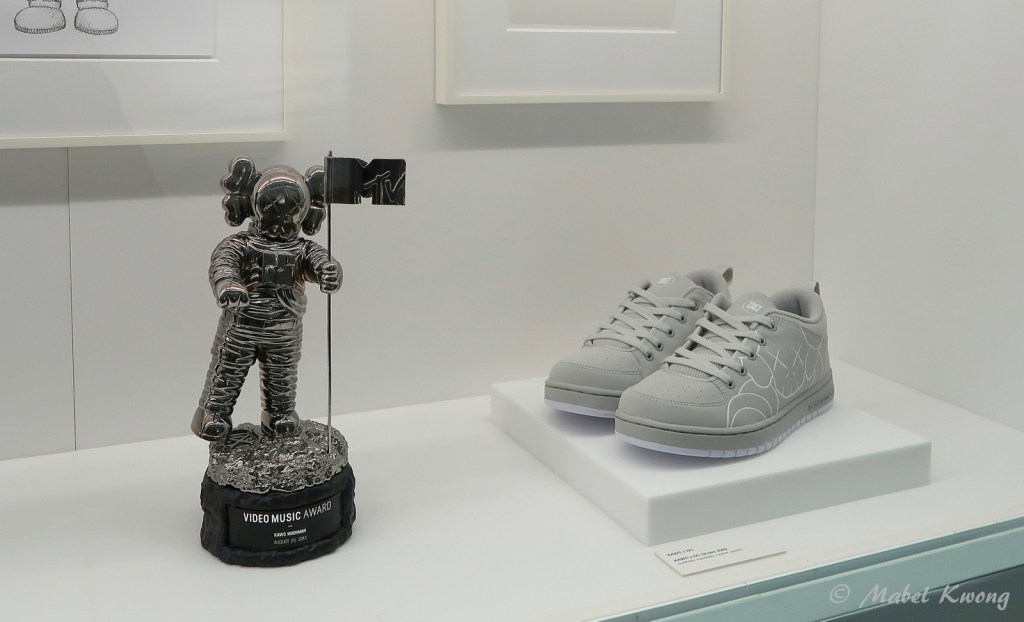
When it comes to having guests over at my place, it’s shoes off at the door. Who knows where their shoes have been and cleanliness keeps my allergies at bay. And definitely no wearing dirty shoes while sitting or lying in bed. Inviting people over to your house means opening up your private space to them, and your house rules should be respected.
At the end of the day, each to their own when it comes to wearing or not wearing shoes at home.
Do you take your shoes off at home?


 Mabel Kwong
Leave a reply to SudsEats Cancel reply