
When it comes to talking about our national animal, Australians have different opinions on this. Australia has never formally proclaimed or adopted an official animal. Some animals seem to hold more significance towards our country than others and some even are emblems, while others simply popular in general with Australians.
Often we think of a national animal as an animal widely recognisable throughout a country. It can be an animal the majority of a country is familiar with. Some national animals around the world include: the markhor (wild goat) in Pakistan, the giant panda in China and since the 1300s, the unicorn in Scotland.
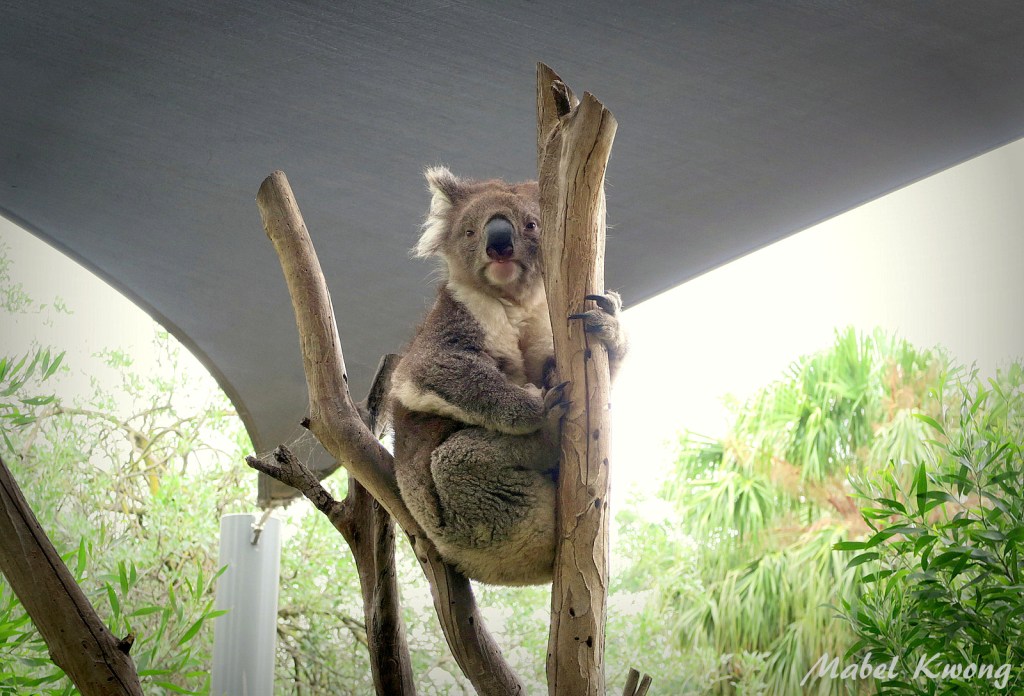
I have vivid memories of animals being a considerable part of my life growing up in Australia. As a kid, I always looked forward to trips to the zoo. Perked up seeing Big Bird on Sesame Street in the evenings on TV. As part of my collection of stuffed toys, my parents insisted there was a kangaroo and a koala – both long thought of as unofficial animals of Australia.
We might call an animal the national icon of our country because it’s an animal that we can call our own, found uniquely in our part of the world and not anywhere else. Kangaroos and koalas are two endangered “native animals” predominantly originating and found Down Under, two creatures uniquely representative of Australian nature and land. My Chinese-Malaysian parents think that way and when they visit family in Malaysia, they like gifting kangaroo and koala-shaped pencil cases and soft toys to the younger relatives – authentic Aussie gifts from Australia according to them.
An animal that’s symbolic of our country’s values could be the official animal of our nation. If something has always been associated with our country’s history, we probably feel a connection towards it. The Red kangaroo and the emu are depicted holding a shield on Australia’s Commonwealth Coat of Arms, an emblem signifying our Commonwealth authority and ownership. Rumour has it both kangaroo and emu were chosen to symbolise a nation moving forwards; the two animals can’t move backwards easily.
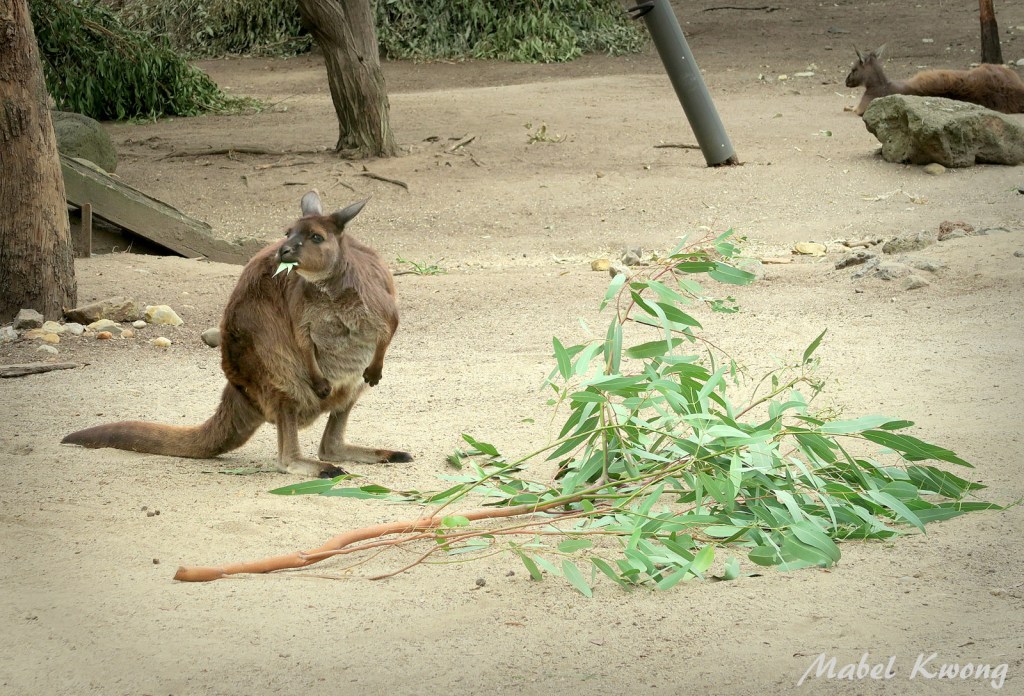
Sometimes we might call an animal our national animal as it’s a natural part of our environment, an extension of our everyday life. The animals we see and face ever so often could be creatures that we learn to live with – maybe put up with – and come to be fond of somewhat. Travel through the Australian outback and chances are kangaroos and wallabies will hop across your path. Spiders are also all too familiar with Australians as well. No matter which part of Australia you live in, be it around the bush or concrete, there is usually a spider around the corner.
Personally, spiders scare me. A few years ago on a hot summer’s night, I was sitting at my desk beside an open window in my apartment in the city. Suddenly, I sensed movement above me. Looking up, I saw a black spider bigger than the palm of my hand crawling on the wall beside the window. It looked like a giant huntsman spider. I ran from my room.
Different states in Australia affiliate with different animals, and there are different faunal (animal) emblems around the country. In New South Wales, it’s the platypus, and the kookaburra is the state’s bird emblem. The koala was proclaimed Queensland’s faunal emblem in 1971. The hairy-nosed wombat was given the title of South Australia’s the previous year. Here in Victoria, the leadbeatters possum is our animal emblem. Coincidentally, these faunal emblems are appointed after animals that adapt well in each state.
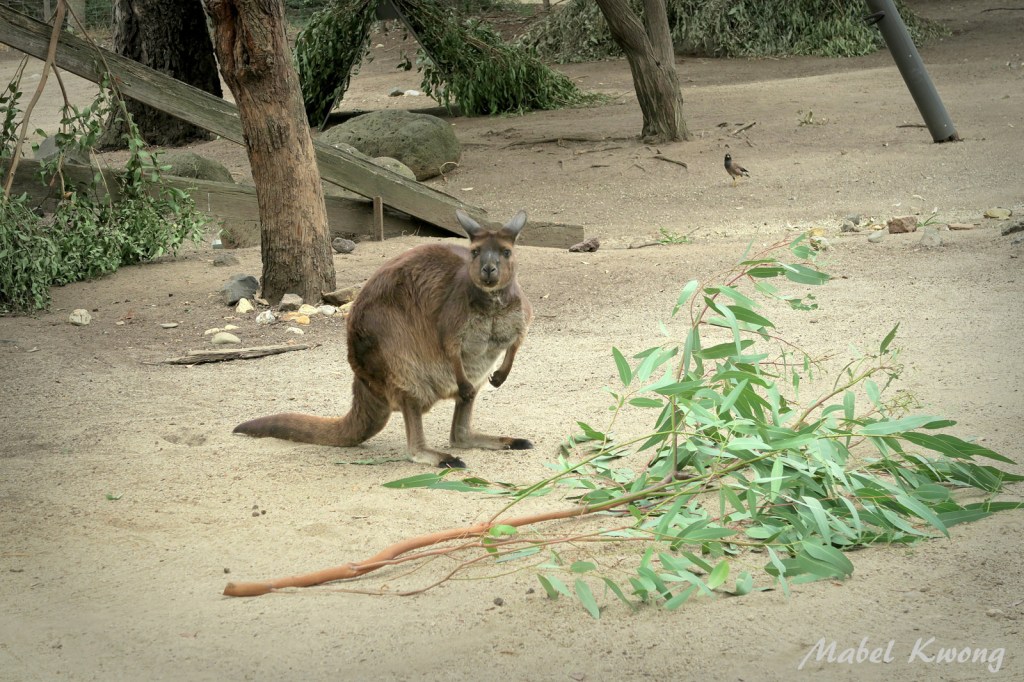
Time and time again some of us confuse animals with one other in Australia. Wallabies get mistaken for kangaroos; they look like kangaroos and vice-versa. Both animals belong to the macropod family but the former is smaller in size and has a shinier coat. Also, some call koalas “koala bears”. However, koalas are not bears and they belong to the marsupial family. No one really kicks up much of a fuss about these mistakes in Australia, though.
More often than not, we take a liking to animals because they are just like us: warm-blooded with a beating heart and love to give. Sometimes we like animals so much we open the sanctuary that is our homes to them. Australia undeniably loves animals. Around 63% of Australians have pets at home, and there are around 4.2 million pet dogs in the country. Or perhaps we have a soft spot for animals because they are companions that rarely judge us provided we come across as no harm, accepting the conditions around them as best they can. As novelist George Eliot said:
“Animals are such agreeable friends. They ask no questions, they pass no criticisms.”
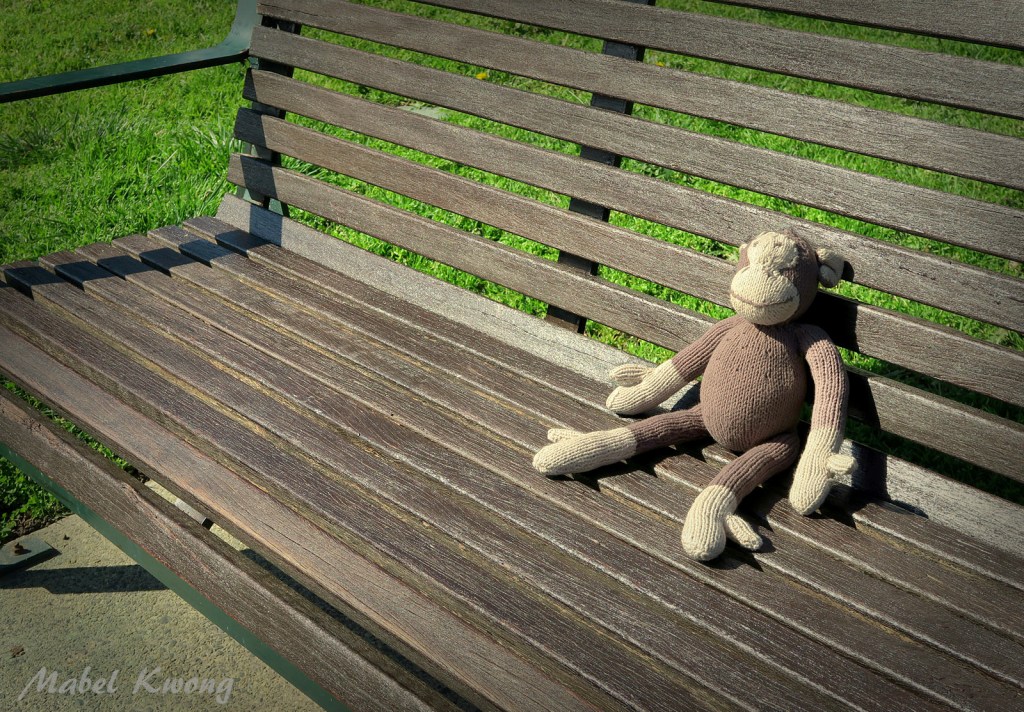
We all have our favourite animals. My favourite animal? Monkey, and I have this brown stuffed monkey called Mr Wobbles. Like real-life animals, Mr Wobbles doesn’t speak – but always has a big smile across his face. When I chucked him on blonde-haired Australian colleague Simone’s desk some years ago, she exclaimed in delight, “I love him! He’s all knit!”. Pretty sure Simone loves Mr Wobbles as much as koalas…
Perhaps it’s not worth arguing over which animal should be Australia’s national animal. At the end of the day, all animals are our friends, and all deserve to be respected and loved in their own right.
What animals are popular and/or recognised in your country?


 Maybe it’s a generational thing, I don’t know.


 Mabel Kwong
Leave a reply to Marta Cancel reply