
We all have our own ways of dressing, our different tastes in fashion and clothes. Every day wear, and formal cultural attire and costumes, come in different styles around the world.
Going to school in Australia, Malaysia and Singapore meant I had opportunities to shop for clothes regularly in three different countries. As a kid, my Chinese-Malaysian mum took me to malls in these cities twice a year during the sales and pointed out clothes she thought looked good on me.
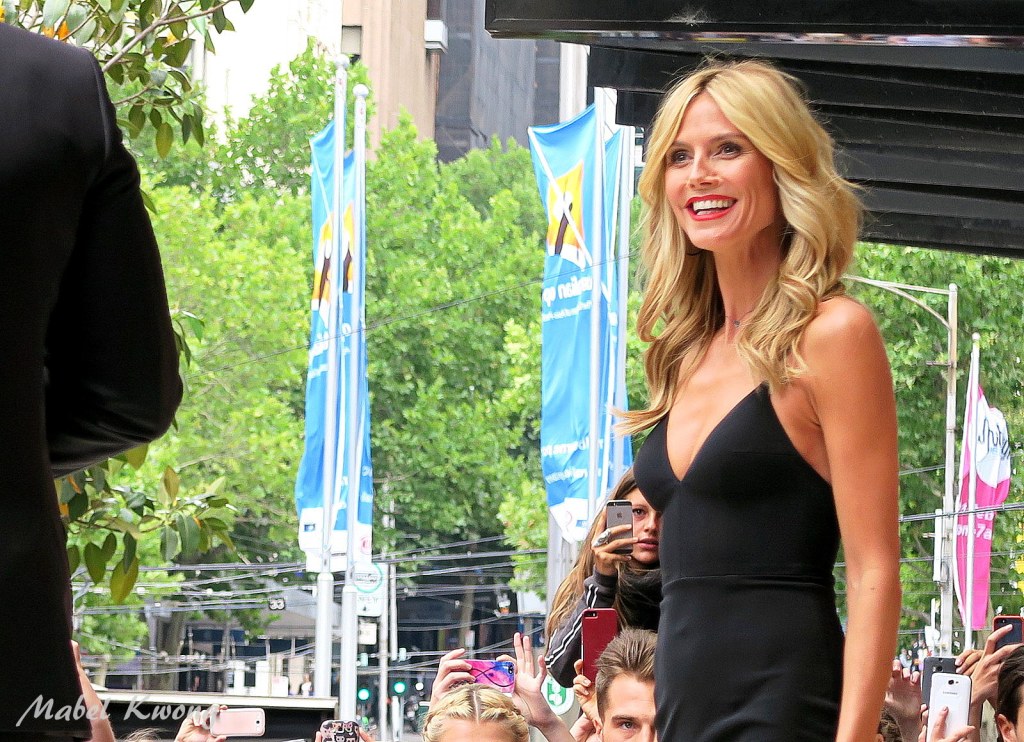
Walking through clothing stores in Asia, we’re bound to see a sea of colourful clothes, be it colourful T-shirts with slogans or traditional sarees and cheongsams. That is, light coloured clothes usually outnumber the darker coloured ones. In Asian cultures, bright colours are auspicious. Red and yellow are symbolic of prosperity for the Chinese, the former signifying progress and the latter earth, farming and growth. During imperial eras, these colours were worn mainly by royalty, those with wealth and power.
Each time my hand brushed over a dark piece of shirt or pair of pants as I wandered stores in Malaysia and Singapore as a teen, my mum remarked, “Why all black? Black, black, black. Looks like you’re going to a funeral.” Death is taboo in several Asian cultures; anything associated with death is met with a blind eye. No surprise my mum hankered me to buy clothes of colour back then. On the other hand, Australians have a penchant for murky coloured clothes: Melburnians can’t seem to get enough of black garments and black is a common colour on the backs of many walking the streets of this city.
It’s not hard to find clothes with patterns on them in Asia. Certain patterns are lucky patterns – for instance batik designs are believed to bring Indonesian children luck.
In comparison to Western dressing, Asian fashion falls on the conservative side. Modest dressing is the norm in some Asian countries because of religious standards that have been around for millions of years, or cultural values. Historically, high necklines and voluminous floor-length dresses were popular with women in the west up until the world wars. Thereafter, exercise and fitness became popular, leading to more body-fitting attire on the market suited to active lifestyles – sparking fashionable trends in skimpy and tight clothing around us today.
There’s not forgetting the cute and kawaii look which never seems to go out of fashion in Japan and Korea. Bright coloured tops, stripy knee length socks and frilly hair accessories makes up a kawaii outfit for the ladies. For the men, bright tops and bottoms does the trick. Alongside fair skin, youthful and wrinkle-free appearances is something many Asians lust after desperately, so naturally some of us are obsessed with kawaii “teeny-bopper” styles. And some Asian girls reckon the kawaii look attracts the guys.

How we dress tends to give away a bit about ourselves. As Lani over at Life, Universe and the Lani wrote, when we move countries, the way we dress may change. If we’re sharp, we might be able to tell which country someone is from judging by what they’re wearing. Right after I moved back to Australia and started wearing more colourful clothing, I had white Australians stop me on the streets asking if I was an international student, and a few of them told me my clothes looked “colourful and flamboyant”. Fair enough since more than half of my colourful wardrobe was accumulated whilst living in Malaysia.
The clothes on our back are a choice, a personal choice that says something about us. The clothes on our back are a form of self-expression, part of our identity and who we are as a person in a moment of time. Sometimes our outfits tell the world how we feel. After all, some of us decide what to wear depending on how we feel or pride style over comfort or vice-versa. My typical outfit I wear to get groceries is a light blue T-shirt and jeans. Catching up with friends, preferably a blue T-shirt and jeans. Going to a fancy dinner, shirt and black-as-night jeans. Does that mean I’m a simple girl who doesn’t care much about following the latest fashion trends? Yes.
Some say the average Australian is laid-back and easy-going looking at what they like to wear. Loose fitting white shirt paired with chino shorts and flip-flops is the popular outfit of choice on a regular summer’s day here.
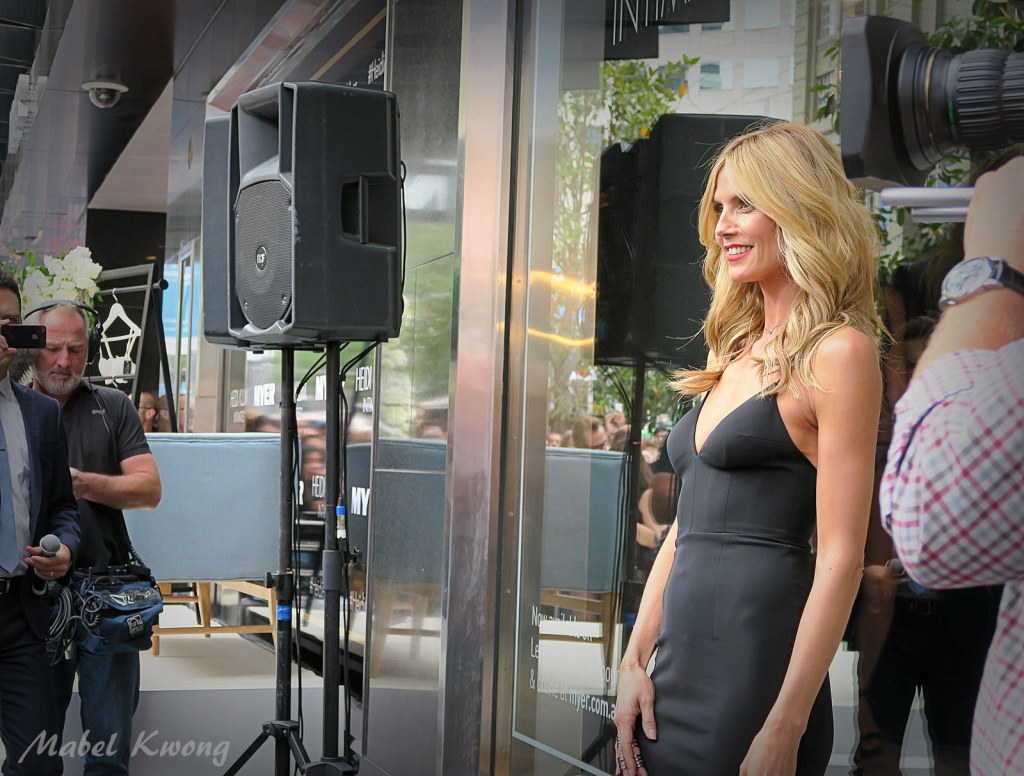
Going back to Lani’s post, sometimes we’re enticed to try and blend different elements of dressing because we want to understand and feel another culture…and think it’s cool. It’s a plausible reason why we see Asians appropriating Western standards of fashion and the other way round these days. Samfoo and jeans are a popular pairing in Asia. Australians are encouragingly more open towards wearing the hijab in a multicultural world.
Some reckon that as we age, our dress sense matures and we’re inclined to wear neutral coloured clothes. Not too sure if that will ever be me.
At the end of the day, looks and what we wear only say so much about each of us.
What’s your favourite every day work/party outfit?


 Mabel Kwong
Share your thoughts. Join the discussion