
When I was born, my Malaysian parents named me Mabel (may-berl). They also gave me a Chinese name, Li Teng (lee ting, 丽 婷), which is my middle name on my Australian passport.
I’ve always went by my English name. Growing up, my parents called me Mabel at home. I introduced myself as Mabel when I went to school and still do today.
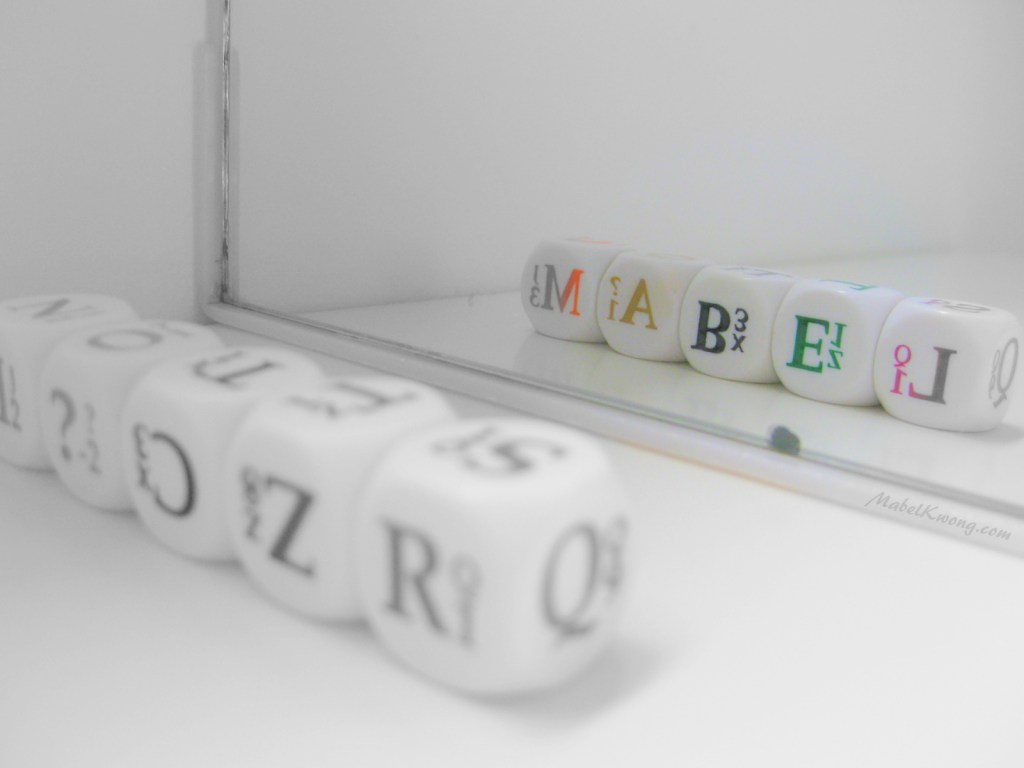
In this world made up of so many cultures, there are countless of us non-Caucasians who have Western first and last names. But there are times when some assume we go by “exotic” names if we aren’t Caucasian. If we’re dark-skinned, some might think we’re a Muhammad or Suresh. If we’re Asian, our first and last names might be Lee or Nguyen.
This has happened to me. In Malaysia and Singapore, “Kwong Li Teng, Mabel” was my name on class attendance lists (in Asian cultures, surnames take precedence over first names). On the first day of a new school semester, a Caucasian teacher walked into my class and rattled off the roll. When she got around to my name, she barked, “Li Teng!”. I corrected her. But she addressed me by my Chinese name until I left for Singapore. Most of my classmates went by their “exotic” names and she may just be so used to associating certain racial faces with certain names.
There are some Asians who adopt Anglo names when they move to the Western corners of the world. It’s also not uncommon for them to leave out their foreign-sounding names on their resumes too. Some Westerners struggle to pronounce non-Anglo names; going by a Western name almost certainly makes it easier for those who speak English as a first language to pronounce and remember their names.
Once I met a very nice international student from Vietnam at uni. When we first said hi, she told me her Vietnamese name and immediately told me, “You can call me Caroline”. I pronounced her native name right on the first try much to her surprise.
It’s usually awkward when someone pronounces our name wrong. Maybe they’ve never heard our name before and it’s hard to enunciate. When this happens, we pause to process what we’ve been just called. Silence. Then we might say our name aloud. Sometimes the person we’re speaking to manages pronounces it down pat, sometimes close enough and sometimes not at all and so calls us by an abbreviated name, which we may or may not like.
Many times I’ve turned up to class and events and been addressed: Marble, Mehhberl, Marbleh, the list goes on. When I go, “I’m Mabel”, people like to respond, “Maybelline? Maybe it’s Maybelline!”. How can I not laugh at that?
Likewise, it’s awkward when we pronounce someone’s name wrong. We try and try to pronounce that person’s name as they’ve said it, feeling silly spitting out syllables foreign to us. On the other hand, we don’t kick up much of a fuss when our name’s spelt wrong. At least I don’t. Spelling errors can be corrected and I find it amusing reading the variations of my name in written form.
On a given day, we really don’t think too much about our name. Once in a while we might google it to see what it means. But deep down we all know our name is an integral part our identity, something our heart connects strongly with. It’s something we tell others when we meet them. We perk up, jump, when someone mentions our name, and also if we come across it in a book.
It can be disheartening when someone doesn’t give two cents about our name. Once I took a phone call at work and said, “Mabel speaking”. At the end of the ten minute conversation, the caller said, “Bye bye, Betty.” Either ignorance at its finest or the caller misheard my name. But I felt like a nobody. I was too flabbergasted to say anything.
Mabel is me. Mabel. That is who I am. Nothing can take that away from me.
Do people get your name wrong? Do you get people’s names wrong?


 Mabel Kwong
Share your thoughts. Join the discussion